
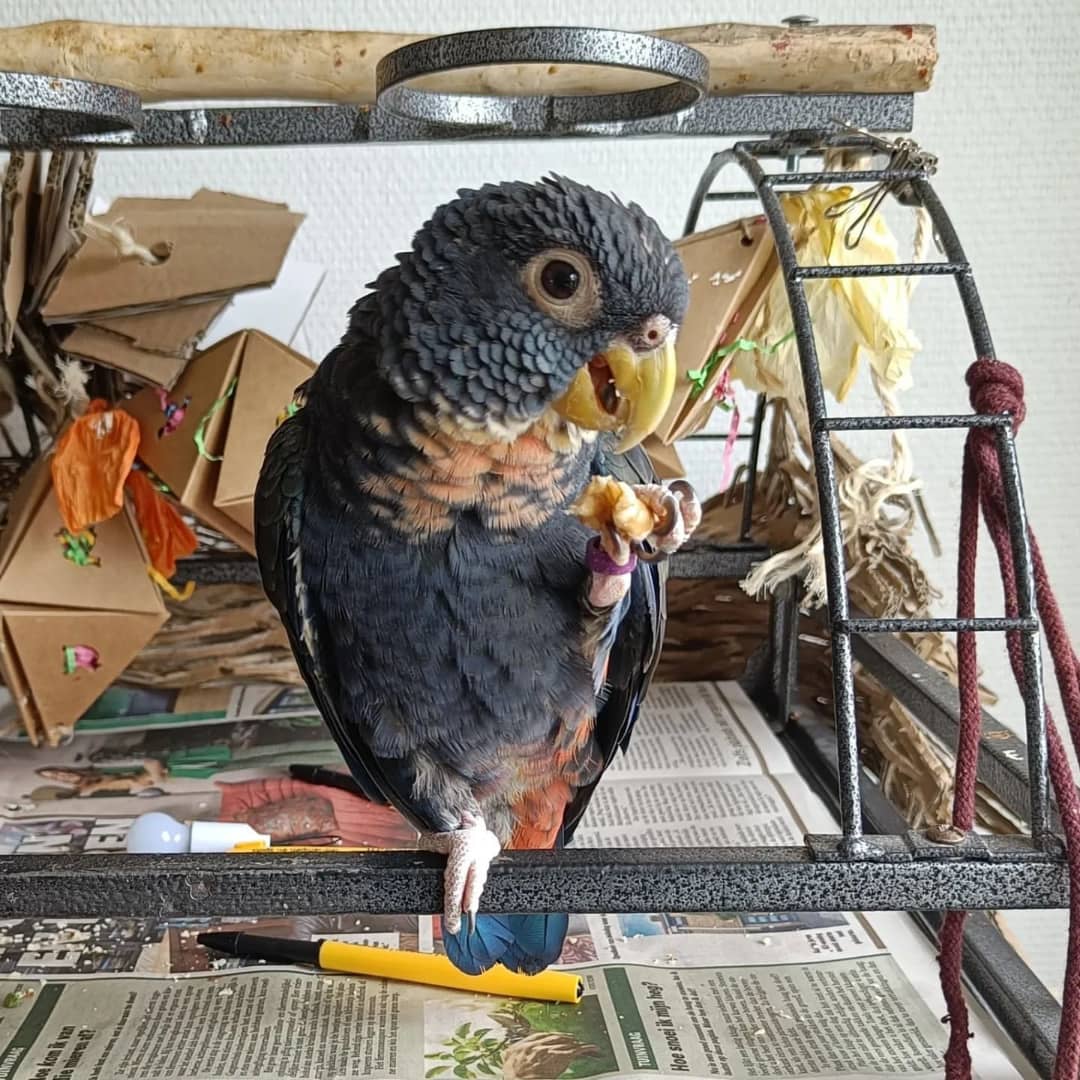
Pet Bronze Winged Pionus Parrot for Sale
Looking for a Bronze Wing Pionus for Sale Our hand-raised Bronze-Winged Pionus parrots make wonderful companions for bird lovers of all experience levels. We have healthy male and female birds available individually. Every parrot is hand-fed, well-socialized, and DNA-tested before joining its forever home.
Bronze-Winged Pionus parrots are well known for their calm temperament, quiet nature, and affectionate personalities. In addition, they adapt well to family life and develop strong bonds with their owners when given regular attention and care.
Temperament
Bronze Wing Pionus for Sale are gentle, intelligent, and easygoing. They enjoy spending time with their families but do not demand constant attention like some larger parrot species. As a result, they make excellent pets for individuals, couples, and families.
Young Bronze-Winged Pionus parrots adapt quickly to new surroundings. Therefore, early socialization helps them become confident, friendly, and comfortable around different people and environments. Although they may choose a favorite person, they usually remain affectionate with the entire household.
Speech and Vocalizations
Bronze-Winged Pionus parrots can learn a variety of words and sounds with patience and regular training. Although they are not as talkative as African Grey parrots or Amazon parrots, they often develop clear speech and enjoy whistling and mimicking everyday household sounds.
Furthermore, these parrots are generally much quieter than many other companion parrots, making them an excellent choice for apartment living or homes with close neighbors.
Bronze Wing Pionus for Sale Colors and Markings
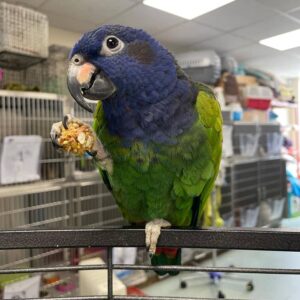
The Bronze-Winged Pionus is admired for its rich plumage and elegant appearance. Its body is primarily deep blue with shades of purple and bronze that shimmer in sunlight. Additionally, the bird displays bright red feathers beneath its tail, a distinctive feature shared by many Pionus species.
Both males and females look very similar. Therefore, DNA testing provides the most reliable way to determine their sex.
Caring for Your Bronze-Winged Pionus
Bronze-Winged Pionus parrots require a spacious cage with plenty of room to climb and play. In addition, they benefit from daily out-of-cage exercise, interactive toys, and regular social interaction.
Provide multiple perches with different sizes and textures to encourage healthy feet. Furthermore, rotating toys regularly keeps your bird mentally stimulated and prevents boredom.
Common Health Problems
Bronze-Winged Pionus parrots are generally hardy birds. However, they can develop respiratory infections, obesity, vitamin deficiencies, and feather problems if they receive poor nutrition or inadequate care.
Routine veterinary checkups, a clean living environment, and a balanced diet help maintain excellent health throughout their lives.
Diet and Nutrition
In the wild, Bronze-Winged Pionus parrots eat fruits, berries, seeds, blossoms, and other plant material. Likewise, captive birds thrive on a varied diet of premium pellets, fresh vegetables, leafy greens, fruits, and moderate amounts of healthy seeds and nuts.
Fresh water should always be available. Most importantly, avoid feeding avocado, chocolate, caffeine, alcohol, or foods high in salt and sugar because they are toxic to parrots.
As a general guide, offer high-quality pellets as the primary diet and supplement them daily with fresh fruits and vegetables. Remove uneaten fresh food after a few hours to maintain cleanliness.
Exercise
Bronze-Winged Pionus parrots enjoy climbing, flying, and exploring. Therefore, they should have several hours of supervised out-of-cage time each day. Exercise helps maintain a healthy weight while reducing boredom and unwanted behaviors.
Bronze Wing Pionus for Sale Reproduction, Babies & Lifespan
Bronze-Winged Pionus parrots usually form strong breeding pairs. Females typically lay 3 to 5 eggs per clutch. After laying the eggs, the female incubates them for about 26 to 28 days, while the male helps protect and feed her.
Once the chicks hatch, both parents care for the young until they leave the nest at approximately 8 to 10 weeks of age. With proper care, Bronze-Winged Pionus parrots commonly live 25 to 40 years, making them loyal lifelong companions.
Why Choose Our Bronze-Winged Pionus Parrots?
Our Bronze Wing Pionus for Sale receive exceptional care from hatch day. We focus on early socialization, proper nutrition, and routine health monitoring to ensure every bird is healthy, friendly, and ready for its forever home.
If you would like more information about our available Bronze-Winged Pionus Parrots for Sale, please contact us by phone, email, or through our website. We’ll be happy to answer your questions and help you find the perfect feathered companion.

ivanovadessy –
Hi, I just want to say thank you so much for Maxy, our Bronze Wing Pionus,he is the best. My children are so rapt as am I. He is amazing, its so wonderful for something so small to be so big in our family. I just want to say thanks for everything you have done for us with Maxy, for him to be able to accept all of us and more without getting upset or scared, is brilliant. Keep up the good work its well worth it, thanks again.“