
Blue Head Pionus
Baby Blue Head Pionus

Blue Head Pionus is a charming medium-sized parrot that’s becoming increasingly popular among bird enthusiasts who want a quieter, more gentle companion than the typical loud parrot species. This intelligent bird makes an excellent pet for both experienced bird owners and those new to parrot ownership who are ready to commit to proper care.
These beautiful parrots stand out with their distinctive blue heads and calm personalities, making them perfect for families or individuals living in apartments or close-knit communities. Unlike many parrot species, Blue Head Pionus birds are known for their relatively quiet nature and sweet temperament.
We’ll explore their unique physical features and how to identify them, dive into their natural behaviors and personality traits, and cover the essential housing and care requirements you need to know before bringing one home. You’ll also learn about their dietary needs and health considerations to keep your feathered friend happy and healthy for years to come.
Physical Characteristics and Identification Features
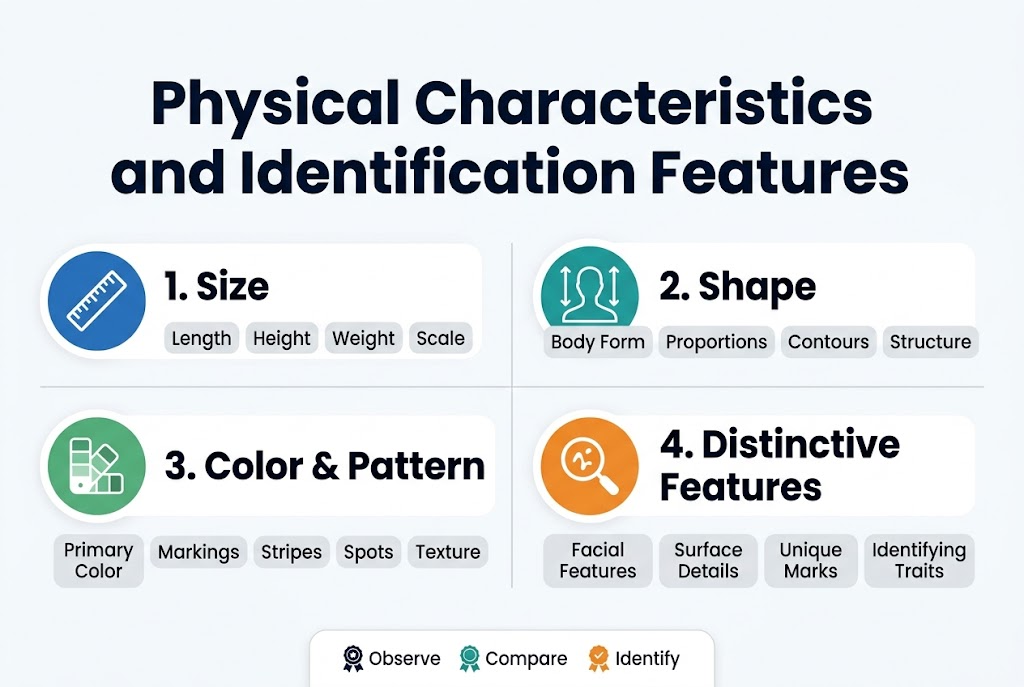
Distinctive Blue Head Coloration and Markings
The Blue Head Pionus stands out with its stunning cobalt blue head that gives the species its name. This vibrant blue coloring extends from the crown down to the nape of the neck, creating a dramatic contrast against the bird’s green body. The intensity of the blue can vary slightly between individuals, ranging from a deep navy to a brilliant azure shade.
What makes this coloration even more striking are the subtle purple undertones that shimmer through the blue feathers in certain lighting conditions. The transition from blue to green happens gradually around the neck area, creating a beautiful gradient effect. Young birds display a duller blue-green coloration that intensifies as they mature, reaching full vibrancy around 2-3 years of age.
The face features bare pink patches around the eyes and at the base of the beak, which become more pronounced during breeding season or when the bird is excited. These pink areas can flush to a deeper rose color, serving as an emotional indicator for owners.
Body Size, Weight, and Overall Appearance
Blue Head Pionus parrots are medium-sized birds, typically measuring 10-11 inches in length from beak to tail tip. They maintain a sturdy, compact build with a weight range of 220-295 grams, making them substantial yet manageable companions.
Their body presents a rich emerald green coloration across the back, wings, and most of the underparts. The chest often displays a bronze or olive-green tint that catches light beautifully. The tail feathers showcase a mix of green with blue undertones, while the flight feathers reveal striking blue patches that become visible during flight or wing stretching.
The beak is dark gray to black with a horn-colored tip, perfectly designed for cracking seeds and manipulating food. Their feet are pink to grayish-pink with strong, curved claws suitable for gripping perches. The overall silhouette is rounded and robust, giving these parrots a dignified, almost regal appearance.
Differences Between Males and Females
Sexual dimorphism in Blue Headed Pionus is minimal, making visual sexing extremely challenging for the untrained eye. Both males and females share identical coloration patterns and size ranges, which often requires DNA testing for definitive gender identification.
Some experienced breeders report subtle differences that may indicate gender:
- Head shape: Males sometimes display slightly broader, more angular heads
- Beak size: Males may have marginally larger, more robust beaks
- Body build: Males can appear slightly stockier overall
- Behavioral cues: Males may exhibit more vocal tendencies and territorial behaviors
However, these characteristics overlap significantly between sexes and individual variation makes them unreliable indicators. The safest approach for gender determination remains professional DNA testing through feather or blood samples.
How to Distinguish From Other Pionus Species
Several Pionus species share similar green body coloration, but the Blue Headed Pionus has distinctive features that set it apart:
| Feature | Blue Headed Pionus | Maximilian’s Pionus | White Crowned Pionus |
|---|---|---|---|
| Head Color | Bright blue | Bronze-brown | White crown patch |
| Size | 10-11 inches | 11-12 inches | 9-10 inches |
| Throat | Green | Blue | White/pale |
| Undertail Coverts | Red | Red | Red |
The Bronze-winged Pionus can be confused with juveniles, but adult Blue Head Pionus display much more vivid blue coloration. Dusky Pionus have an overall darker appearance with less distinct head coloration. The most reliable distinguishing feature remains the brilliant blue head coloration combined with the specific size range and the pink facial patches that are unique to this species.
Natural Habitat and Geographic Distribution

Native regions in Central and South America
Blue Head Pionus parrots call the tropical regions of Central and South America home, with their range stretching from Costa Rica all the way down to northern Bolivia. You’ll find the largest populations concentrated in countries like Colombia, Venezuela, Ecuador, Peru, and parts of Brazil. These birds show a particular preference for the Pacific coastal regions and the eastern slopes of the Andes Mountains.
The species displays some interesting regional variations across its range. Birds found in Costa Rica and Panama tend to be slightly smaller than their South American cousins, while those living in the Amazon basin often show more vibrant blue coloring on their heads. Venezuelan populations have adapted to drier conditions compared to their rainforest-dwelling relatives in Ecuador and Colombia.
Preferred forest environments and altitude ranges
These adaptable parrots thrive in various forest types, but they really love humid tropical rainforests and cloud forests. You’ll typically spot them at elevations ranging from sea level up to about 6,500 feet, though they seem most comfortable between 1,000 and 4,000 feet above sea level. The sweet spot appears to be around 2,500 feet where the climate stays consistently warm and humid year-round.
Blue Headed Pionus parrots gravitate toward primary and secondary forests with dense canopy cover. They particularly enjoy areas where tall trees create multiple forest layers, giving them plenty of feeding and nesting opportunities. Gallery forests along rivers also attract these birds, as do forest edges where clearings meet dense woodland. The birds avoid completely open areas and rarely venture far from tree cover.
Cloud forests represent their absolute favorite habitat type. These misty, moisture-rich environments provide ideal conditions with consistent temperatures, high humidity, and abundant fruit trees. The constant moisture supports lush vegetation growth, creating perfect foraging grounds filled with their preferred foods.
Seasonal migration patterns and territory behavior
Unlike many parrot species, Blue Headed Pionus don’t undertake long-distance migrations. Instead, they engage in local movements that follow food availability and breeding cycles. During the dry season, flocks may travel several miles between valleys searching for fruiting trees, but they typically return to established roosting sites each evening.
These parrots maintain loose territories rather than defending strict boundaries. Breeding pairs claim specific nesting areas during reproductive season, usually selecting hollow trees in established territory. Outside breeding season, they become more social and form flocks of 20 to 50 individuals that forage together across overlapping home ranges.
Weather patterns strongly influence their daily movements. During heavy rains, they seek shelter in dense forest canopy and reduce activity. As seasons change and different trees begin fruiting, entire flocks may shift their core activity areas by several kilometers, always staying within their broader regional range.
Behavioral Traits and Personality
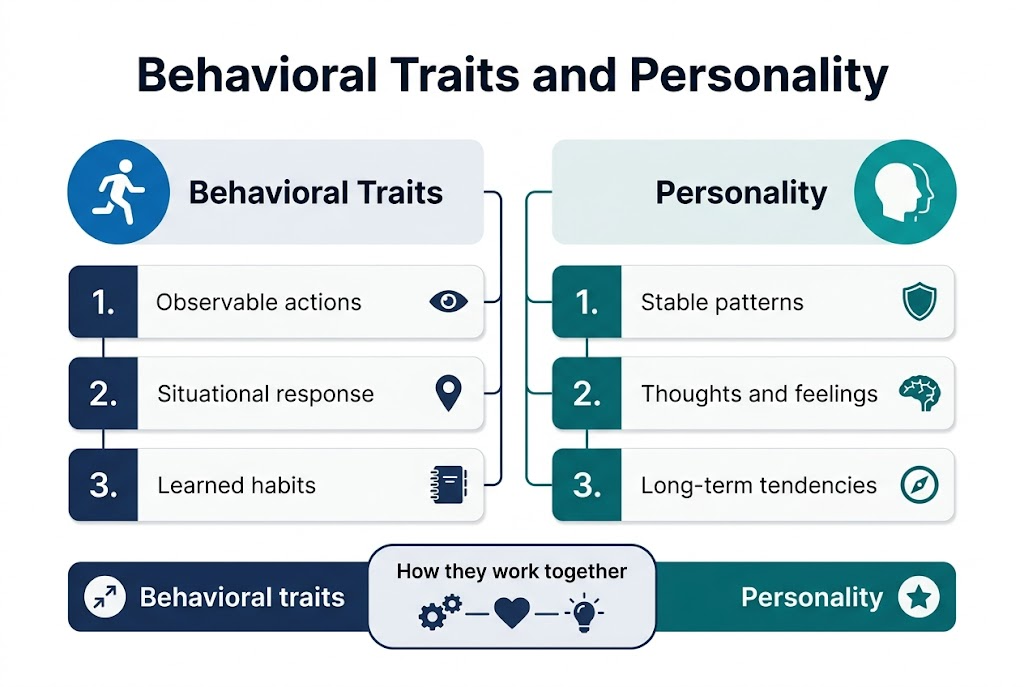
Social Interaction Patterns in the Wild
Blue Head Pionus parrots are naturally social creatures that live in small to medium-sized flocks in their native habitats. These flocks typically consist of 10-20 birds, though larger congregations can form during feeding times when abundant food sources are discovered. The birds maintain strong pair bonds with their mates, often staying together for life and displaying affectionate behaviors like mutual preening and food sharing.
Their social hierarchy is relatively fluid, with dominant individuals leading foraging expeditions and choosing roosting sites. Communication within the flock happens through a complex system of body language, with head bobs, wing positions, and eye contact conveying different messages about territory, food sources, and potential threats.
Intelligence Levels and Problem-Solving Abilities
The Blue Head Pionus demonstrates remarkable cognitive abilities that rival those of larger parrot species. These birds excel at environmental puzzles, such as manipulating branches and leaves to access hidden food sources. Their spatial memory is particularly impressive – they can remember the locations of multiple feeding sites and return to them at optimal times.
In captivity, these parrots show their intelligence through their ability to learn routines, recognize individual humans, and adapt to household schedules. They can solve multi-step problems, like opening latches or removing covers from food containers. Many owners report their birds learning to associate specific sounds or actions with anticipated events, such as recognizing the sound of food preparation.
Vocalizations and Communication Methods
Blue Head Pionus birds possess a diverse vocal repertoire that includes soft whistles, chirps, and occasional loud calls. Unlike some parrot species, they’re generally quieter, making them suitable for apartment living. Their natural vocalizations include contact calls used to maintain flock cohesion and alarm calls that alert others to potential dangers.
These parrots can learn to mimic human speech, though their vocabulary tends to be smaller compared to African Greys or Amazons. They often master 10-15 words or phrases and use them contextually. Their speaking voice has a distinctive raspy quality that many owners find endearing.
Activity Patterns Throughout the Day
Blue Headed Pionus birds follow a predictable daily rhythm that begins with active foraging at dawn. During morning hours, they’re most vocal and energetic, engaging in play behaviors and social interactions. Midday brings a quieter period where they rest and preen, often taking brief naps.
Evening activity peaks again as they forage for dinner and engage in flock social behaviors before settling into their roosting sites. In captivity, they maintain similar patterns, becoming most active during morning and evening hours while remaining calmer during midday periods.
Diet and Feeding Requirements
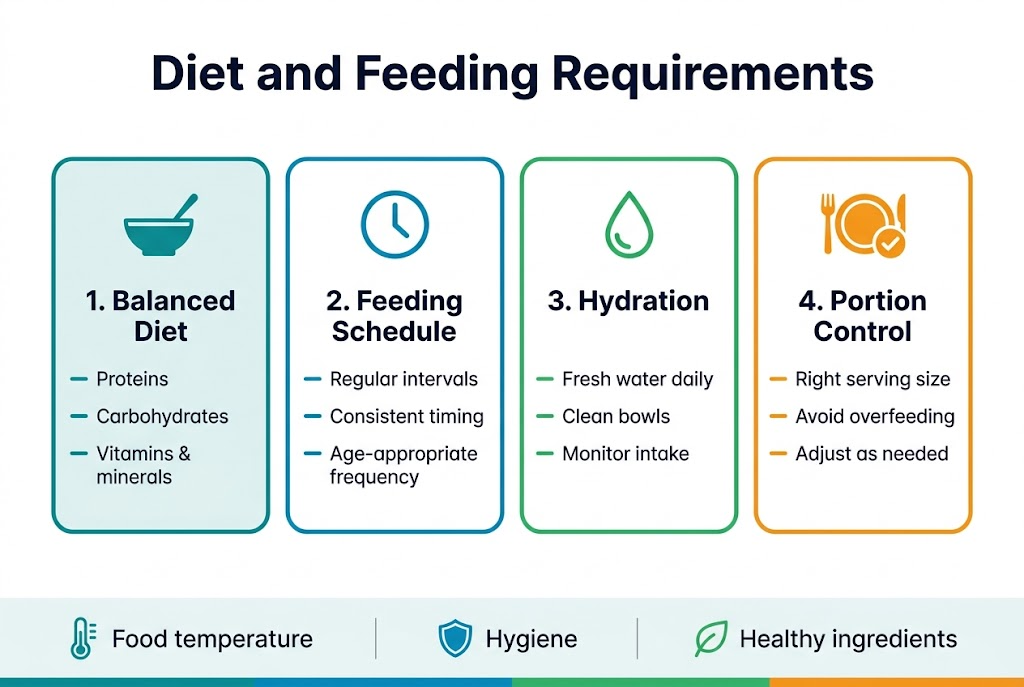
Natural foraging habits and preferred foods
Blue Head Pionus parrots spend their days actively searching for food in the wild canopy of South American rainforests. These intelligent birds have developed sophisticated foraging behaviors, using their strong beaks to crack open hard nuts and seeds while their agile feet help them navigate through branches to reach ripe fruits. They show a clear preference for palm fruits, especially those from Mauritia and Astrocaryum palms, which provide essential oils and proteins.
Their natural diet includes a diverse mix of fruits like figs, berries, and seasonal tropical fruits that vary throughout the year. Seeds from various trees and shrubs make up another significant portion of their intake, with smaller seeds being consumed whole while larger ones are cracked open to access the nutritious kernels inside. Flowers and nectar occasionally supplement their diet, particularly during certain flowering seasons when these food sources become readily available.
Nutritional needs for captive birds
Captive Blue Headed Pionus require a carefully balanced diet that mimics the nutritional complexity of their wild food sources. High-quality pellets should form the foundation, making up about 60-70% of their daily intake. These pellets provide consistent nutrition and prevent selective eating that can lead to deficiencies.
Fresh fruits and vegetables should comprise 20-30% of their diet, offering natural vitamins, minerals, and antioxidants. Dark leafy greens like kale, spinach, and Swiss chard provide vitamin A, while orange and red vegetables such as sweet potatoes, carrots, and bell peppers supply beta-carotene. Fresh fruits like apples, pears, berries, and tropical fruits add natural sugars and various vitamins.
Seeds and nuts can make up the remaining 5-10% of their diet, but should be offered sparingly due to their high fat content. Healthy options include sunflower seeds, pumpkin seeds, almonds, and walnuts, which provide healthy fats and proteins that support feather quality and overall health.
Foods to avoid for optimal health
Several common foods pose serious health risks to Blue Headed Pionus and should never be offered. Chocolate contains theobromine, which is toxic to birds and can cause seizures, heart problems, and even death. Avocado contains persin, a compound that can cause respiratory distress and heart failure in parrots.
Caffeine from coffee, tea, or caffeinated sodas can cause hyperactivity, increased heart rate, and potentially fatal cardiac issues. Salt and high-sodium foods can lead to kidney problems and excessive thirst, while sugar and artificial sweeteners can disrupt their digestive system and contribute to obesity.
Fruit pits and seeds from cherries, apples, and stone fruits contain cyanide compounds that are dangerous for birds. Onions and garlic can cause anemia by destroying red blood cells, while raw beans contain lectins that are toxic until properly cooked. Alcohol, even in small amounts, can cause severe poisoning and should never be accessible to these birds.
Feeding schedules and portion recommendations
Blue Head Pionus thrive on consistent feeding schedules that mirror their natural eating patterns. Offer fresh food twice daily, typically in the morning and early evening, removing any uneaten fresh items after 2-3 hours to prevent spoilage. Pellets can remain available throughout the day as they don’t spoil quickly.
For an adult bird weighing approximately 200-250 grams, provide about 1/4 to 1/3 cup of pellets daily, adjusting based on individual activity levels and body condition. Fresh fruits and vegetables should total about 1/4 cup per day, divided between both meals. Seeds and nuts should be limited to 1-2 teaspoons daily and can be used as training treats or enrichment activities.
Monitor your bird’s weight regularly and adjust portions accordingly. Active birds or those in cooler environments may need slightly more food, while less active or overweight birds should receive controlled portions. Fresh, clean water should always be available and changed daily.
Supplementation requirements for vitamins and minerals
Most Blue Headed Pionus receiving a balanced diet of high-quality pellets and fresh foods won’t need additional vitamin supplements. Over-supplementation can actually be harmful, particularly with fat-soluble vitamins like A, D, E, and K that can accumulate to toxic levels.
However, birds on primarily seed-based diets may benefit from vitamin A supplementation, as seeds are naturally low in this crucial nutrient. Vitamin D3 may be necessary for birds with limited exposure to natural sunlight or full-spectrum UV lighting, though this should be done under veterinary guidance.
Calcium supplementation might be needed for egg-laying females or birds showing signs of deficiency, but this should be determined through blood work and veterinary consultation. Probiotics can support digestive health, especially after antibiotic treatment or during times of stress.
Always consult with an avian veterinarian before adding any supplements to your bird’s diet. Regular health checkups and blood work can identify any nutritional deficiencies that need addressing through dietary changes or targeted supplementation.
Housing and Environmental Setup
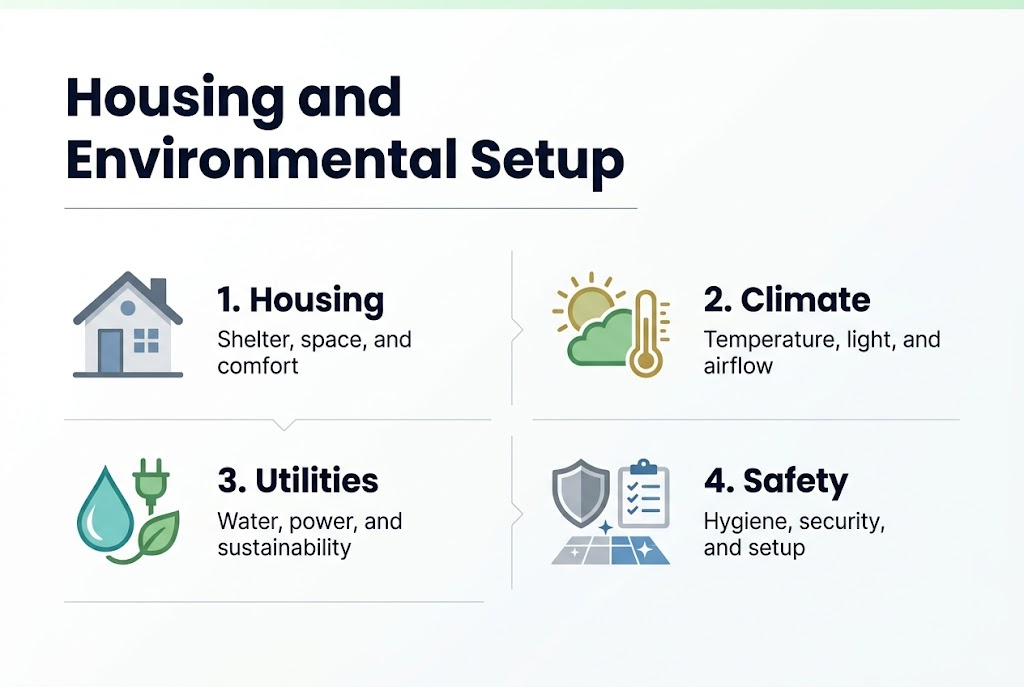
Minimum cage size requirements and bar spacing
Blue Head Pionus parrots need spacious accommodations to stay happy and healthy. The absolute minimum cage size should be 36 inches wide, 24 inches deep, and 48 inches tall, though bigger is always better. These medium-sized parrots benefit from horizontal space more than vertical height since they prefer to move side-to-side rather than constantly climbing up and down.
Bar spacing is critical for safety – aim for 3/4 inch to 1 inch spacing. Bars that are too wide allow the bird to get their head stuck, while bars too close together can trap toes or beaks. Choose powder-coated or stainless steel bars over galvanized metal, which can contain harmful zinc. The cage should have horizontal bars on at least two sides to encourage climbing and provide exercise opportunities.
Essential perches, toys, and enrichment items
Variety is key when setting up perches for your blue-headed pionus. Natural wood branches work best – apple, willow, and birch are excellent choices that provide different diameters and textures. Avoid sandpaper perches, which can cause foot problems. Include at least three perches of varying diameters: one thick enough that their toes don’t completely wrap around, one medium-sized, and one thinner perch.
Rotate toys regularly to prevent boredom. These intelligent birds love foraging toys, puzzle feeders, and shredding materials. Provide wood blocks, palm fronds, and paper strips for destruction – it’s natural behavior. Avoid toys with small metal parts, loose strings, or brittle plastic that could break into dangerous pieces.
Temperature and humidity control needs
Blue Head Pionus thrive in temperatures between 65-80°F with humidity levels around 50-60%. They’re sensitive to temperature fluctuations, so avoid placing cages near air conditioning vents, heating units, or drafty windows. If your home’s humidity drops below 40%, especially during winter months, consider using a humidifier or placing water bowls near the cage.
Monitor your bird for signs of temperature stress: panting indicates overheating, while fluffed feathers and lethargy suggest they’re too cold. Room temperature that feels comfortable to you is usually perfect for your pionus.
Lighting requirements for mental and physical health
Proper lighting affects everything from hormone production to vitamin D synthesis. Blue-headed pionus need 10-12 hours of bright light followed by 10-12 hours of complete darkness. Natural sunlight through a window works well, but avoid direct sunlight that can overheat the bird.
Full-spectrum LED lights designed for birds make excellent alternatives when natural light isn’t sufficient. Position lights about 18 inches from the cage and use timers to maintain consistent schedules. During breeding season, you can manipulate day length to help control hormonal behaviors – shorter days often reduce aggressive tendencies and excessive egg-laying in females.
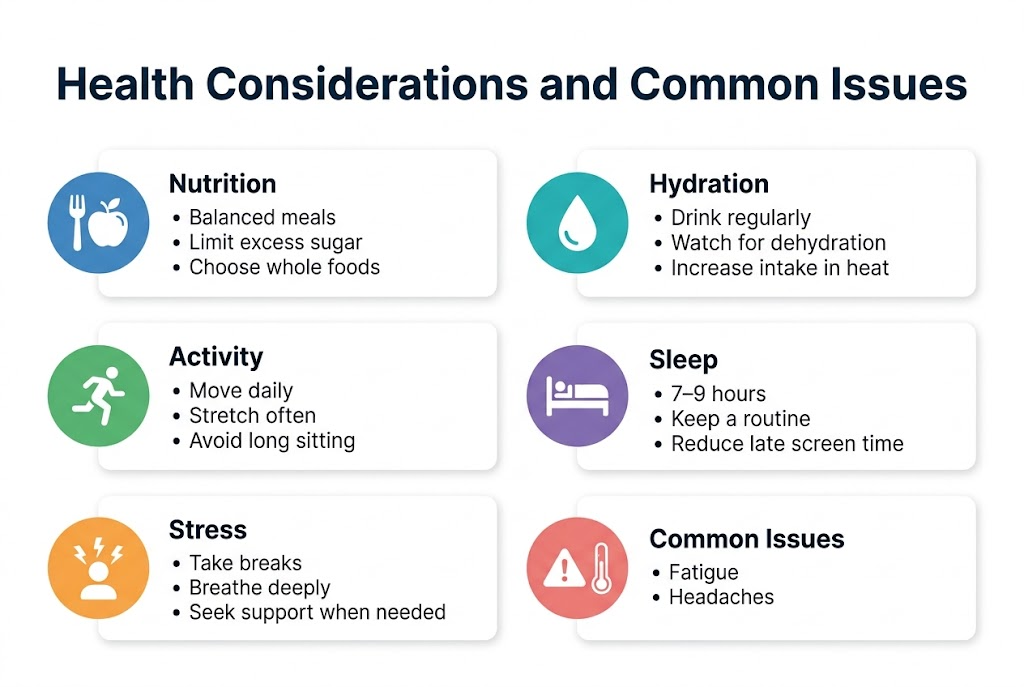
Health Considerations and Common Issues
Regular Veterinary Care and Health Monitoring
Blue Head Pionusparrots need consistent veterinary attention from an avian specialist, not just any general veterinarian. Schedule annual wellness exams even when your bird appears healthy, as parrots excel at hiding illness until they’re seriously sick. During these visits, your vet will perform physical examinations, weight checks, and may recommend blood work every 2-3 years for older birds.
Establish a relationship with an avian vet before you need emergency care. Many exotic vets have limited availability, and you don’t want to scramble for help during a crisis. Keep detailed records of your bird’s weight, eating habits, droppings, and behavior patterns. Weekly weigh-ins using a digital gram scale help catch health issues early, as weight loss often signals problems before other symptoms appear.
Regular nail and beak trims may be necessary, though proper perch selection can minimize nail overgrowth naturally. Watch for signs that indicate a vet visit is needed: changes in appetite, unusual droppings, breathing difficulties, or behavioral shifts.
Common Diseases and Prevention Strategies
Several health conditions commonly affect blue-headed pionus parrots, many of which are preventable with proper care. Respiratory infections rank among the most frequent issues, often caused by poor air quality, drafts, or stress. Maintain good ventilation while avoiding direct airflow on your bird’s cage.
Preventable Conditions:
| Disease | Primary Causes | Prevention Methods |
|---|---|---|
| Respiratory infections | Poor air quality, stress, drafts | Clean environment, stable temperature, minimize stress |
| Feather plucking | Boredom, anxiety, poor diet | Mental stimulation, consistent routine, balanced nutrition |
| Fatty liver disease | High-fat diet, lack of exercise | Proper diet, flight opportunities, weight monitoring |
| Vitamin A deficiency | Seed-only diets | Varied diet with orange/yellow vegetables, pellets |
Psittacosis, while less common, poses serious risks and can transmit to humans. This bacterial infection spreads through airborne particles from infected birds. Quarantine new birds for 30-45 days and ensure they receive health testing before joining your household.
Candidiasis, a fungal infection, often strikes young birds or those with compromised immune systems. Poor hygiene and contaminated food contribute to this condition. Keep food and water dishes scrupulously clean, replacing them daily.
Signs of Illness to Watch for Daily
Your blue-headed pionus will try to appear healthy even when sick, making daily observation critical for early detection. Changes in droppings provide valuable health information. Normal droppings consist of three parts: dark feces, white urates, and clear urine. Watch for color changes, consistency alterations, or dramatic increases in the urine portion.
Daily Health Monitoring Checklist:
- Appetite changes: Eating less, avoiding favorite foods, or sitting near food without eating
- Behavioral shifts: Increased sleeping, staying on cage bottom, reduced vocalization, or aggressive behavior
- Physical appearance: Fluffed feathers when warm, tail bobbing while breathing, discharge from eyes or nostrils
- Activity levels: Reluctance to perch, unsteady balance, or decreased interest in toys
Breathing problems require immediate attention. Healthy birds breathe quietly without visible effort. Tail bobbing, open-mouth breathing, or clicking sounds during respiration signal serious distress. Similarly, any discharge from the eyes, nostrils, or mouth warrants prompt veterinary care.
Changes in voice or complete loss of vocalization often indicate respiratory or crop problems. While pionus parrots aren’t as vocal as some species, they should still produce their characteristic sounds regularly.
Emergency Care and First Aid Basics
Avian emergencies develop rapidly, making quick action essential. Create an emergency kit containing a hospital cage, heating source, towels for restraint, and your vet’s contact information plus after-hours emergency clinics.
A hospital cage serves as a critical first-aid tool. Use a smaller cage or large carrier with minimal perches, easily accessible food and water, and a safe heating source maintaining 85-90°F. Reduce stimulation by covering three sides of the container, leaving the front open for monitoring.
Immediate Emergency Actions:
- Bleeding: Apply direct pressure with clean gauze, use cornstarch or flour on small wounds to help clotting
- Breathing distress: Move to hospital cage, provide supplemental heat, minimize handling, contact vet immediately
- Trauma: Stabilize in quiet, warm environment, don’t attempt to treat injuries yourself
- Poisoning: Remove suspected source, contact vet or poison control, never induce vomiting in birds
Keep activated charcoal and saline solution in your emergency kit, but only use them under veterinary guidance. Many substances that help mammals can harm birds, so avoid giving medication or treatments without professional direction.
Night frights, where birds thrash around their cage in darkness, can cause serious injuries. Install a small night light near the cage and ensure the environment stays stable during sleeping hours. If your bird experiences a night fright, turn on lights gradually and speak calmly while checking for injuries.
Never attempt complex first aid on your own. Your primary role involves stabilizing your bird and getting professional help quickly. Time matters significantly in avian emergencies, so don’t hesitate to contact your veterinarian even if you’re unsure whether the situation qualifies as urgent.
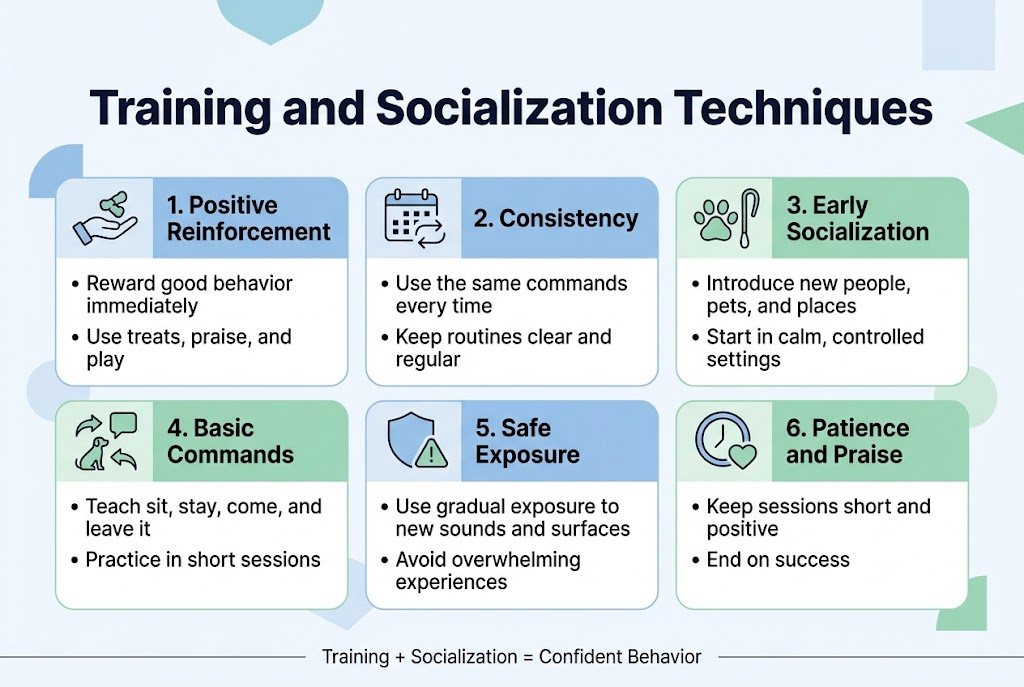
Training and Socialization Techniques
Building trust and bonding with your bird
Blue Head Pionus parrots are naturally cautious birds that need time to warm up to their human companions. Start by sitting quietly near their cage, reading or working on your phone, allowing them to observe you without pressure. Speak in calm, gentle tones and avoid sudden movements that might startle them.
Offer treats through the cage bars without forcing interaction. Sunflower seeds, small pieces of apple, or favorite nuts work well as peace offerings. Your Pionus will gradually associate your presence with positive experiences. This process typically takes 2-4 weeks for most birds.
Once your bird shows interest in your presence – head tilting, moving closer to you, or vocalizing when you approach – you can begin offering treats from your hand. Move slowly and let them come to you rather than reaching into their space aggressively.
Basic command training methods
Start training sessions when your Pionus is alert but not overly excited, usually in the morning or early evening. Keep sessions short – 5 to 10 minutes maximum – as these birds have limited attention spans.
Step-up training forms the foundation of all other commands. Hold your finger horizontally about chest-height to your bird while saying “step up” in a clear voice. Gently press against their lower belly if they hesitate. Reward immediately with praise and treats when they comply.
Target training teaches your bird to touch a specific object, like a chopstick or dowel. Hold the target near your bird and say “touch.” When they investigate or accidentally touch it, reward them instantly. Gradually add distance and duration.
Recall training works best in a bird-proofed room. Start with your Pionus on your hand, take a small step back, and call their name while holding a treat. Gradually increase the distance as they master shorter recalls.
Addressing behavioral problems effectively
Screaming often stems from attention-seeking, boredom, or territorial behavior. Never yell back or give attention during screaming episodes. Instead, ignore the behavior completely and only interact when your bird is quiet. Provide plenty of mental stimulation through foraging toys and puzzle feeders.
Biting usually signals fear, overstimulation, or hormonal behavior. Watch for warning signs like pinned eyes, fluffed feathers, or lunging motions. Give your bird space when displaying these signals. If bitten, avoid dramatic reactions – simply say “no” calmly and move away.
Feather plucking requires immediate attention as it can become compulsive. Check for medical issues first, then evaluate environmental factors like humidity, lighting, and stress levels. Increase foraging opportunities and ensure 10-12 hours of uninterrupted sleep nightly.
Resource guarding of food, toys, or cage areas needs consistent boundaries. Never engage in “tug of war” games over objects. Instead, teach the “drop it” command by offering a higher-value treat in exchange.
Socialization with family members and visitors
Introduce family members gradually, having each person follow the same trust-building process. Blue Headed Pionus often bond strongly with one person but can learn to accept multiple family members with patience and consistency.
Have family members participate in daily care routines like feeding and cleaning to build positive associations. Each person should use the same commands and training techniques to avoid confusing your bird.
When introducing visitors, prepare your Pionus beforehand by having them in a secure location where they feel safe. Allow your bird to observe strangers from a distance first. Never force interactions between your Pionus and unfamiliar people, as this can damage trust and create lasting fear responses.
Create house rules for visitors: no sudden movements, no reaching toward the cage, and no loud voices or laughter near the bird. Brief guests on your bird’s body language so they recognize signs of stress or discomfort.
Regular, positive social experiences during your Pionus’s first year are crucial for developing confidence around new people and situations. Birds that miss this critical socialization window often become one-person pets with strong territorial tendencies.

Blue Headed Pionus parrots
make wonderful companions for the right bird owner. These medium-sized parrots stand out with their distinctive blue heads and calm personalities, making them less demanding than many other parrot species. They’re naturally quieter birds that adapt well to home environments when given proper housing, a balanced diet of pellets and fresh foods, and consistent social interaction. Their gentle nature and intelligence make them excellent candidates for training, though they do require patience and positive reinforcement to build trust.
If you’re considering adding a Blue Headed Pionus to your family, remember that these birds need commitment and proper care to thrive. Set up a spacious cage with plenty of enrichment, maintain a regular feeding schedule, and watch for common health issues like respiratory problems. Most importantly, invest time in building a relationship with your bird through gentle training and daily interaction. With the right care and attention, a Blue Headed Pionus can be a loving, loyal companion for many years to come.
