
Baby Parrot Amazon Blue Fronted

Parrot Amazon Blue Fronted is a vibrant, intelligent parrot species that captivates bird enthusiasts with its striking appearance and engaging personality. This guide is designed for current parrot owners, prospective bird parents, and anyone curious about these remarkable feathered companions.
We’ll explore the Blue Fronted Amazon’s distinctive physical features that make identification straightforward, from their brilliant blue forehead patches to their robust green bodies. You’ll also discover their natural behaviors and social needs, which are essential for creating a happy home environment. Finally, we’ll cover proper housing requirements and care essentials to keep your Blue Fronted Amazon healthy and thriving for decades to come.
Physical Characteristics and Identification

Distinctive Blue Forehead and Facial Markings
The Parrot Amazon Blue Fronted gets its name from the striking cobalt-blue patch that adorns its forehead, creating an unmistakable crown-like marking. This brilliant blue coloration extends from just above the beak to the mid-crown area, often varying in intensity between individual birds. The blue markings typically spread around the eye area, creating a distinctive mask-like appearance that makes these parrots easily recognizable.
Yellow feathers frequently accent the blue facial features, particularly around the cheeks and throat region. Some birds display more extensive yellow coloring that can extend down the neck, while others show minimal yellow accenting. The contrast between the vibrant blue and yellow creates a stunning facial pattern that’s unique to each individual bird.
Size and Weight Specifications for Adult Birds
Parrot Amazon Blue Fronted rank as medium to large-sized parrots, measuring between 14 to 16 inches in length from beak to tail tip. Their robust build and stocky frame give them a substantial presence compared to smaller parrot species.
Adult birds typically weigh between 400 to 550 grams, with healthy specimens falling within this range. Males often lean toward the higher end of the weight spectrum, while females generally weigh slightly less. Body condition plays a crucial role in determining whether a bird falls within the healthy weight range.
| Measurement | Range |
|---|---|
| Length | 14-16 inches |
| Weight | 400-550 grams |
| Wingspan | 24-26 inches |
Their wingspan reaches approximately 24 to 26 inches when fully extended, providing impressive flight capabilities in their natural habitat. This substantial wing area supports their powerful flight style and maneuverability through forest canopies.
Color Variations and Plumage Patterns
Parrot Amazon Blue Fronted display remarkable variation in their overall plumage coloration beyond their signature facial markings. The primary body color consists of bright green feathers that can range from emerald to forest green, depending on the individual bird and subspecies.
Wing feathers often showcase red markings along the shoulders and flight feathers, creating beautiful flashes of color during flight or when the wings are spread. These red patches vary significantly between birds – some display extensive red coloring while others show minimal red accents.
The tail feathers typically feature green base coloration with yellow-green tips, though some birds exhibit blue or red markings in their tail plumage. Each bird’s unique combination of colors creates an individual “fingerprint” that helps distinguish one bird from another.
Regional variations exist among different populations, with some showing more pronounced yellow coloring while others display deeper blue facial markings. These variations reflect the genetic diversity within the species across their geographic range.
Gender Differences and Identifying Features
Determining the sex of Blue Fronted Amazons through visual inspection proves challenging, as they exhibit minimal sexual dimorphism. Unlike many bird species where males display more vibrant colors or distinctive features, both male and female Blue Fronted Amazons share nearly identical appearance characteristics.
Males tend to have slightly larger heads and more robust beaks, but these differences are subtle and require experienced observation to detect. Some experienced bird keepers note that males may display slightly more intense coloration in their facial markings, but this isn’t a reliable indicator for definitive sexing.
DNA testing remains the most accurate method for determining gender in these parrots. This process involves collecting a small blood sample or feather for genetic analysis, providing definitive results where visual identification falls short.
Behavioral differences during breeding season can offer clues about gender, as females may become more territorial and show nesting behaviors, while males often become more vocal and display courtship behaviors. However, these behavioral indicators aren’t foolproof and can vary based on individual personality and environmental factors.
Natural Habitat and Geographic Range
Native Regions in South America
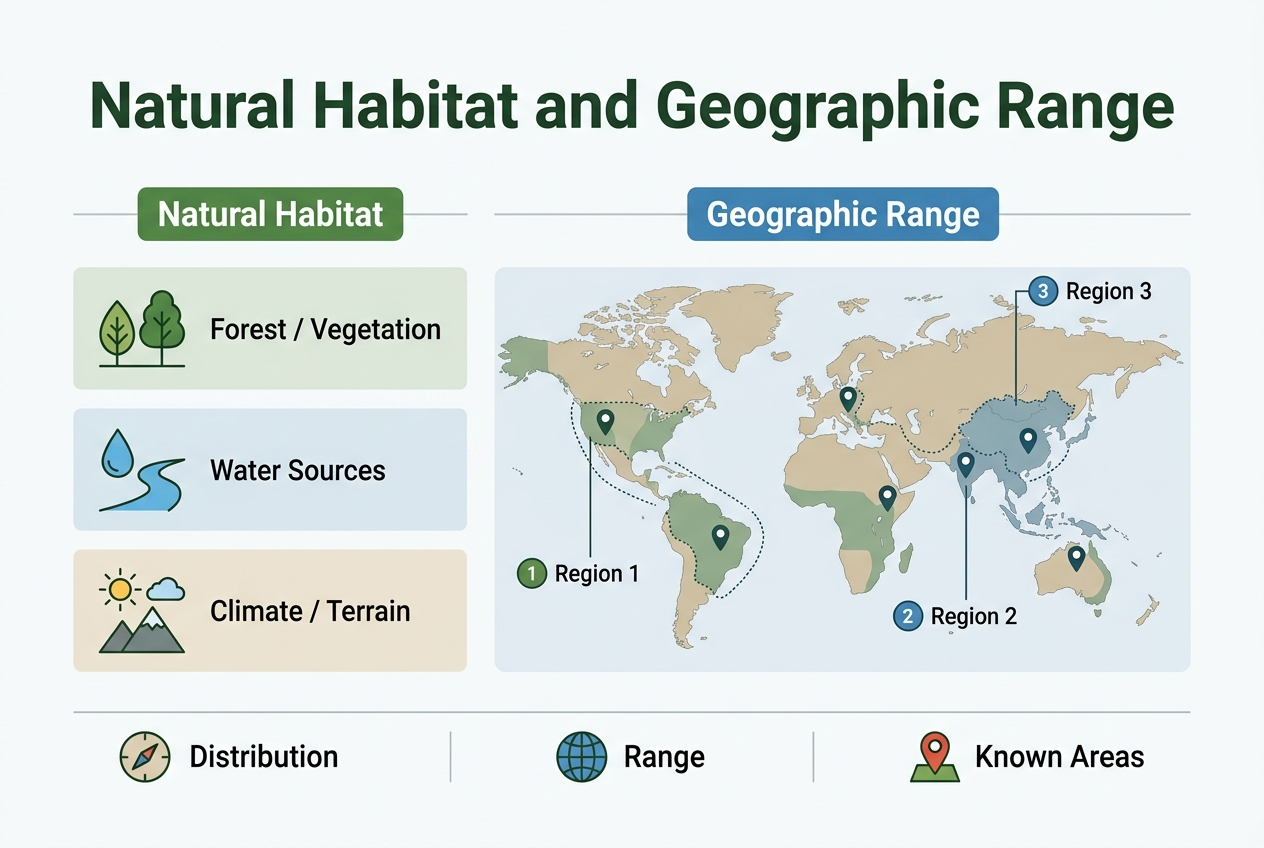
Parrot Amazon Blue Fronted call a large swath of South America home, primarily inhabiting countries across the continent’s northern and central regions. You’ll find these vibrant parrots throughout Brazil, Bolivia, Paraguay, northern Argentina, and eastern Peru. The species shows remarkable adaptability across different elevations, from lowland areas near sea level up to mountainous regions reaching 1,600 meters above sea level.
Brazil hosts the largest populations, particularly in the Amazon Basin, Pantanal wetlands, and Atlantic Forest regions. The birds have established strong footholds in Bolivia’s eastern lowlands and Paraguay’s Gran Chaco region. In Argentina, they occupy the northern provinces, while Peru’s eastern slopes provide ideal conditions for smaller populations.
These parrots don’t recognize political boundaries and freely move between countries following food sources and seasonal patterns. Their range covers approximately 5.4 million square kilometers, making them one of the most geographically widespread Amazon parrot species.
Preferred Forest Environments and Ecosystems
Blue Fronted Amazons thrive in diverse forest ecosystems, showing a strong preference for gallery forests along riverbanks and woodland savannas. They gravitate toward areas where dense forest meets open grassland, creating edge habitats that provide both nesting sites and abundant food sources.
Primary rainforest serves as their core habitat, but these adaptable birds also flourish in secondary growth forests, particularly those recovering from selective logging or natural disturbances. The birds actively seek out areas with tall emergent trees that offer secure nesting cavities and commanding views of the surrounding landscape.
Pantanal wetlands represent another crucial ecosystem for these parrots. The seasonal flooding creates a dynamic environment where palm groves, scattered trees, and temporary islands provide perfect foraging opportunities. During flood seasons, the birds concentrate on higher ground and tree islands that remain accessible.
Agricultural areas adjacent to forests have become increasingly important as natural habitats face pressure. The parrots readily adapt to shade-grown crops, particularly those that maintain tree cover, though they remain dependent on nearby forest fragments for nesting.
Climate Requirements and Seasonal Behaviors
Blue Fronted Amazons experience distinct wet and dry seasons throughout their range, which dramatically influence their behavior patterns and movement cycles. During the dry season (May through September), water sources become scarce, forcing flocks to concentrate around reliable rivers, lakes, and permanent water holes.
The wet season triggers breeding behaviors, with pairs seeking out tree cavities in tall palms, Brazil nut trees, and other suitable nesting trees. Rainfall patterns directly affect food availability, as many of their preferred fruits and seeds mature during specific months. The birds time their breeding cycles to coincide with peak food abundance.
Temperature variations across their range are relatively minimal year-round, typically staying between 20-30°C (68-86°F). However, the birds show sensitivity to humidity changes and air pressure fluctuations that signal approaching weather fronts. They often become more vocal and active before storms.
Seasonal movements can span hundreds of kilometers as flocks follow ripening fruit crops. During palm fruit seasons, massive congregations gather in areas with abundant Mauritia palms. These seasonal gatherings play crucial roles in social bonding, mate selection, and information exchange about food sources across their territory.
Diet and Nutrition Requirements
Wild Feeding Habits and Natural Food Sources
Blue-fronted Amazons are opportunistic foragers in their native South American rainforests, spending most of their day searching for food in the canopy. Their natural diet revolves around seasonal availability, with fruits making up roughly 60% of their wild intake. They particularly favor figs, palm fruits, and various berries that ripen throughout different times of the year.
Seeds and nuts form another crucial component, especially during certain seasons when fruit becomes scarce. These parrots have powerful beaks perfectly designed for cracking open tough seed pods and extracting the nutritious kernels inside. They also consume flowers, buds, and young leaves, which provide essential vitamins and minerals often lacking in seed-only diets.
Clay consumption is a fascinating aspect of their natural behavior. Wild Blue-fronted Amazons regularly visit clay licks along riverbanks, ingesting mineral-rich clay that helps neutralize toxins from certain plants and provides essential minerals like calcium and sodium.
Essential Nutrients for Optimal Health
Protein requirements for Blue-fronted Amazons range between 12-15% of their total diet, with higher needs during molting and breeding seasons. Complete proteins containing all essential amino acids support proper feather development, immune function, and overall growth.
Healthy fats should comprise 8-12% of the diet, focusing on omega-3 and omega-6 fatty acids found in nuts and seeds. These fats maintain skin health, support brain function, and keep feathers glossy and vibrant.
Vitamin A stands out as the most critical vitamin for parrots, supporting vision, immune system function, and respiratory health. Deficiency leads to serious health problems including susceptibility to infections and poor feather quality.
Calcium and phosphorus must maintain a proper 2:1 ratio for strong bone development and proper muscle function. Vitamin D3 helps with calcium absorption, though parrots can synthesize this vitamin through exposure to full-spectrum lighting.
B-complex vitamins support energy metabolism and nervous system function, while vitamin C, though not essential for parrots like it is for humans, still provides antioxidant benefits when consumed through fresh fruits and vegetables.
Recommended Captive Diet and Feeding Schedule
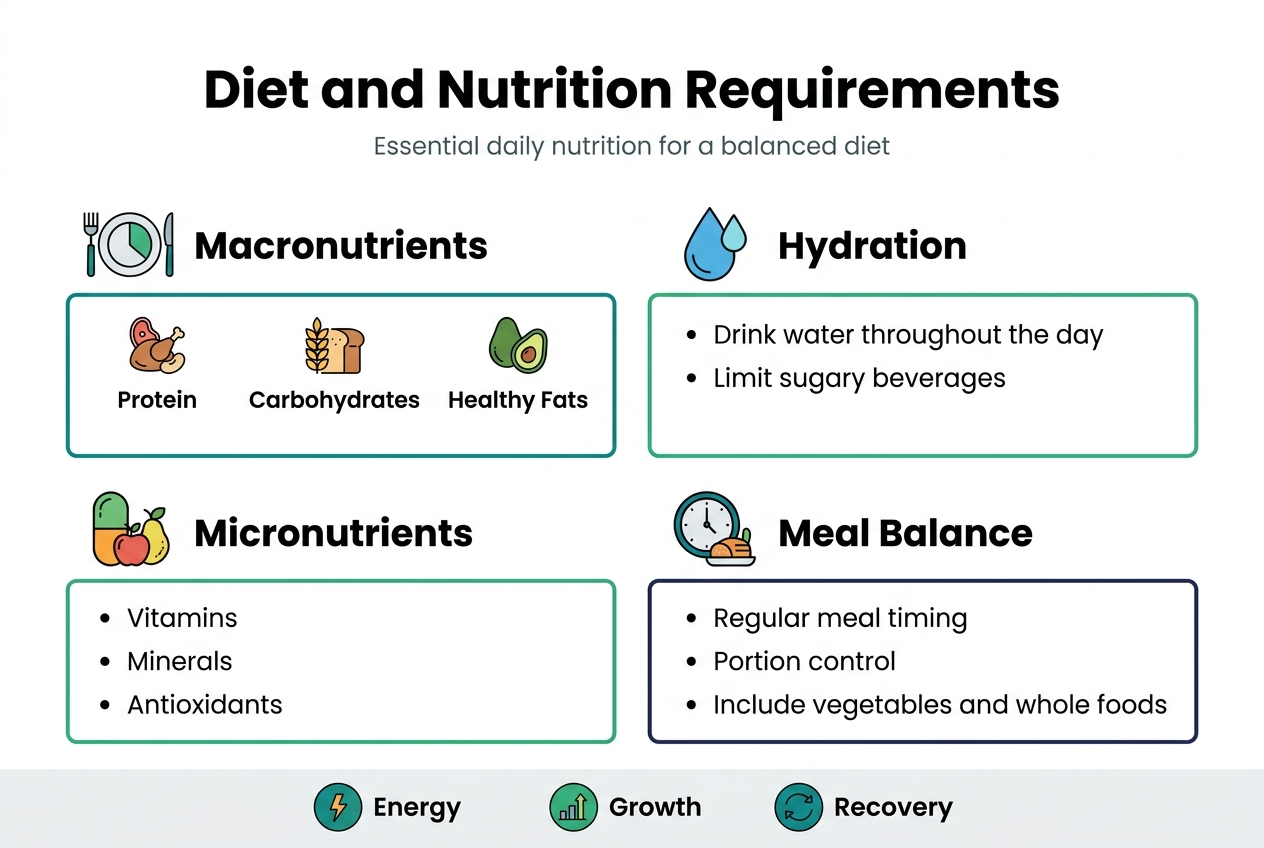
A high-quality pellet should form the foundation of a captive Blue-fronted Amazon’s diet, comprising about 60-70% of daily intake. Choose pellets specifically formulated for medium to large parrots, avoiding artificially colored varieties that offer no nutritional benefit.
Fresh vegetables should make up 20-25% of the daily diet, offered every morning. Dark leafy greens like kale, spinach, and collard greens provide excellent nutrition. Orange vegetables such as carrots, sweet potatoes, and squash deliver beta-carotene for vitamin A production. Broccoli, bell peppers, and green beans add variety and essential nutrients.
Fresh fruits can comprise 10-15% of the diet but should be limited due to high sugar content. Apples, berries, grapes, and tropical fruits like papaya and mango make excellent choices. Remove fruit after a few hours to prevent spoilage.
Healthy seeds and nuts can be offered as training treats or enrichment, making up no more than 10% of the total diet. Almonds, walnuts, and pine nuts provide healthy fats, while pumpkin and sunflower seeds offer variety.
Feed twice daily – morning and evening – removing uneaten fresh foods after 4-6 hours. Always provide fresh, clean water in a stainless steel or ceramic bowl, changing it daily.
Foods to Avoid and Potential Health Risks
Avocado tops the list of dangerous foods for Blue-fronted Amazons. The persin compound found throughout the fruit can cause cardiac distress, respiratory difficulty, and death within 24 hours of consumption. Even small amounts prove toxic.
Chocolate contains theobromine, which parrots cannot metabolize effectively. This leads to vomiting, diarrhea, seizures, and potentially death. Dark chocolate poses the greatest risk due to higher theobromine concentrations.
Caffeine from coffee, tea, and energy drinks causes hyperactivity, increased heart rate, and cardiac arrhythmias in parrots. Their small size makes them extremely sensitive to caffeine’s effects.
Salt and high-sodium foods create kidney problems and can lead to excessive thirst, dehydration, and electrolyte imbalances. Avoid processed human foods, chips, and salted nuts.
Fruit pits and seeds from apples, cherries, and stone fruits contain cyanogenic compounds that release cyanide when digested. While the flesh of these fruits is safe, always remove pits and seeds before offering.
High-fat foods like fried items, butter, and fatty meats can lead to obesity and liver disease. Alcohol causes severe digestive upset, breathing difficulties, and central nervous system depression.
Raw beans contain lectins that are toxic to birds, while mushrooms can contain harmful compounds. Onions and garlic damage red blood cells and should never be offered to parrots.
Human foods high in sugar, artificial sweeteners (especially xylitol), and preservatives offer no nutritional value and can disrupt normal digestion and metabolism.
Behavior and Personality Traits
Housing and Environmental Setup
Health Care and Common Medical Issues

Regular Veterinary Checkup Schedules
Your Blue Fronted Amazon should see an avian veterinarian at least once annually for a comprehensive wellness exam. Young birds under two years old benefit from biannual visits to monitor proper development and catch any issues early. Senior birds over 20 years may need more frequent checkups every 6-8 months since age-related health problems become more common.
During these visits, your vet will perform a complete physical examination, check weight, assess feather quality, and listen to the heart and lungs. Annual blood work panels help detect early signs of liver disease, kidney problems, or infections before symptoms appear. Fecal examinations screen for parasites and bacterial overgrowth.
Signs of Illness and Early Warning Symptoms
Parrots hide illness instinctively, making early detection challenging but critical. Watch for changes in appetite, water consumption, or droppings consistency and color. Normal droppings have three distinct parts: dark green feces, white urates, and clear urine.
Behavioral red flags include decreased vocalization, sitting fluffed up for extended periods, sleeping more than usual, or staying at the bottom of the cage. Respiratory symptoms like tail bobbing, open-mouth breathing, or clicking sounds require immediate veterinary attention.
Physical signs include discharge from eyes or nostrils, swollen areas around the face, changes in feather quality, or visible weight loss. Any sudden behavioral changes or decreased activity levels warrant prompt evaluation, as these often signal underlying health issues in these intelligent birds.
Preventive Care and Vaccination Protocols
Parrot Amazon Blue Fronted don’t require routine vaccinations like dogs or cats, but your avian vet may recommend specific vaccines based on your bird’s risk factors and geographic location. Polyomavirus vaccination is sometimes suggested for young birds in multi-bird households or breeding facilities.
Regular wing and nail trimming every 6-8 weeks prevents injury and escape attempts. Professional grooming ensures proper technique without causing stress or injury. Beak trimming is rarely necessary in healthy birds with proper diet and enrichment toys.
Environmental prevention plays a huge role in maintaining health. Use air purifiers to reduce dust and allergens, maintain humidity levels between 50-60%, and ensure proper lighting with 10-12 hours of darkness daily. Remove potential toxins like Teflon cookware, scented candles, and aerosols from your bird’s environment.
Common Diseases and Treatment Options
Aspergillosis, a fungal infection affecting the respiratory system, commonly affects Amazon parrots. Treatment involves antifungal medications and environmental modifications to reduce spore exposure. Symptoms include difficulty breathing, tail bobbing, and lethargy.
Psittacine Beak and Feather Disease (PBFD) causes feather abnormalities and beak deformities. This viral condition has no cure, but supportive care can help manage symptoms. Regular testing helps detect this disease early.
Fatty liver disease frequently occurs in pet Amazons due to high-fat diets and lack of exercise. Treatment requires strict dietary changes, increased activity, and sometimes medications. Prevention through proper nutrition and regular exercise is far more effective than treatment.
Vitamin A deficiency leads to respiratory infections, poor feather quality, and immune system problems. Treatment involves dietary supplementation and addressing underlying nutritional imbalances. Fresh orange and dark green vegetables help prevent this condition.
Egg binding affects female birds and can be life-threatening. Emergency veterinary care is essential, often requiring hormone therapy, calcium supplementation, or surgical intervention. Proper nutrition and environmental management help prevent this serious condition.
Training and Socialization Techniques
Building Trust and Bonding Strategies
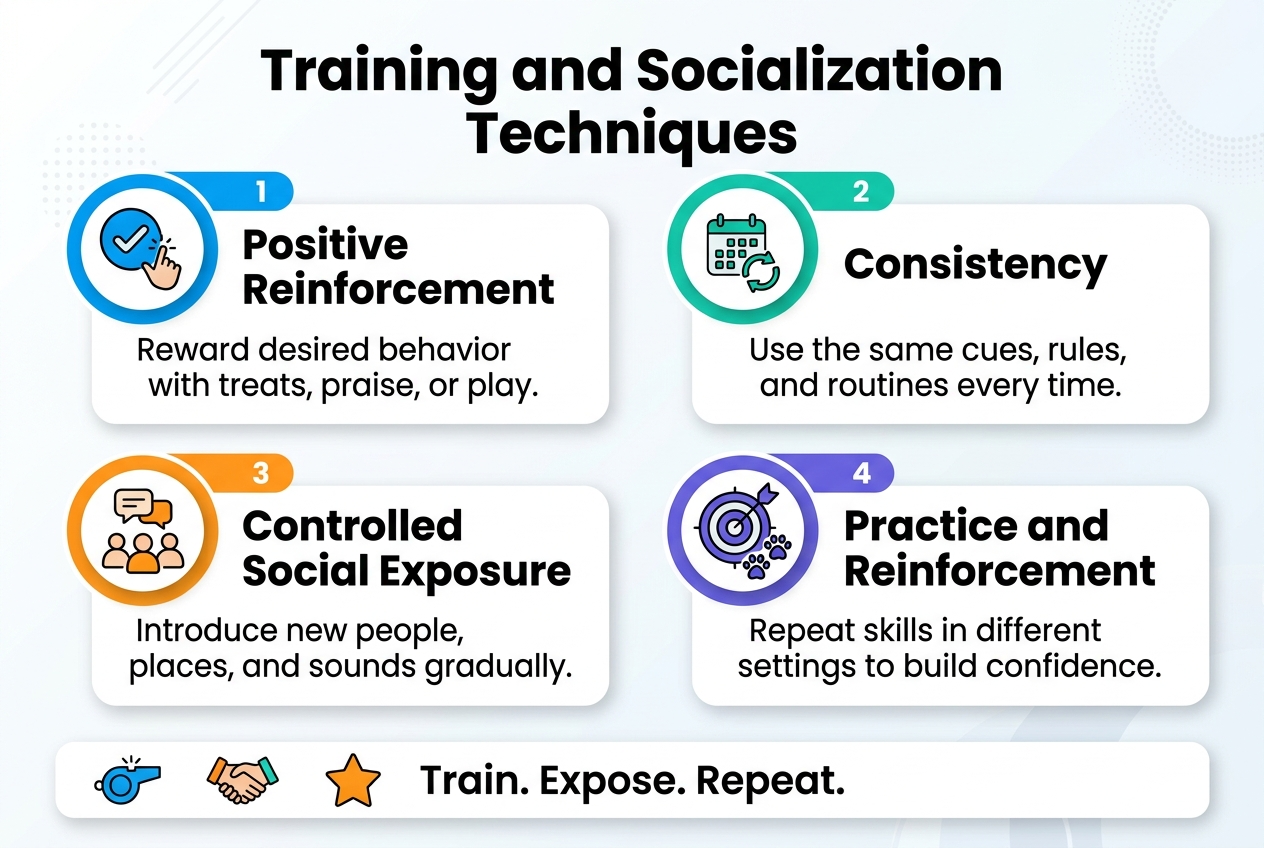
Parrot Amazon Blue Fronted are naturally cautious birds that need time to develop meaningful relationships with their human companions. Start by positioning yourself at the bird’s eye level during interactions, as towering over them can trigger their natural flight response. Speak in calm, gentle tones while offering treats through the cage bars. Patience becomes your most valuable tool here – rushing the process will only set back your progress.
Create positive associations by being present during feeding times and offering favorite foods by hand once the bird shows comfort with your proximity. Many Blue Fronted Amazons respond well to consistent daily routines, so establish regular interaction times. Reading aloud or playing soft music while nearby helps them get used to your voice without pressure to interact directly.
Respect their body language completely. When they lean away, flatten their feathers, or pin their eyes, give them space immediately. These birds remember negative experiences for years, so avoiding frightening situations protects the trust you’re building. Once they begin approaching the front of the cage when you’re near or showing interest in treats from your hand, you’re making real headway.
Basic Command Training Methods
Start with simple target training using a wooden dowel or chopstick. Hold the target near the bird and say “touch” in a clear voice. Most Blue Fronted Amazons will naturally investigate new objects. The moment their beak makes contact with the target, immediately say “good” and offer a small treat. Practice this 5-10 times per session, keeping training periods short to maintain their attention.
Step-up training comes next, but only after your bird readily targets. Place your hand or a perch at their chest level and say “step up” while applying gentle pressure to their lower belly. Never grab or force them onto your hand. If they step up, reward immediately with praise and a favorite treat. If they refuse, end the session positively with a treat and try again later.
Teaching “no” requires consistency from everyone in the household. Use a firm but not harsh tone when saying “no” to unwanted behaviors like screaming or biting. Immediately redirect their attention to an appropriate activity and reward the good behavior. Blue Fronted Amazons learn through repetition and positive reinforcement, so patience and consistency pay off.
| Command | Training Method | Expected Timeline |
|---|---|---|
| Target Training | Dowel touch with treats | 1-2 weeks |
| Step Up | Hand/perch pressure with rewards | 2-4 weeks |
| Basic “No” | Firm voice + redirection | 3-6 weeks |
Addressing Aggressive or Problematic Behaviors
Screaming often stems from boredom, attention-seeking, or natural flock calling instincts. Never yell back or cover the cage, as this reinforces the behavior or creates fear. Instead, identify triggers like specific times of day or environmental changes. Provide engaging toys, establish quiet time routines, and only give attention when the bird is calm and quiet.
Biting usually signals fear, territoriality, or overstimulation. Watch for warning signs like pinned eyes, raised head feathers, or leaning away. If a bite happens, don’t react dramatically – simply say “no” calmly and place the bird back in their cage for a brief timeout. Never hit or shake the bird, as this destroys trust and escalates aggression.
Hormonal behaviors like excessive screaming, aggression, or regurgitation require environmental management. Limit petting to the head and neck areas only. Provide 10-12 hours of darkness each night to regulate hormones. Remove any perceived nesting sites like dark corners or boxes. These birds can become extremely territorial during breeding season, so maintaining boundaries becomes even more important.
Destructive behavior often indicates insufficient mental stimulation.
Blue Fronted Amazons need challenging toys that they can destroy safely – think foraging toys, puzzle feeders, and shreddable materials like palm leaves or cardboard. Rotate toys weekly to maintain novelty and prevent boredom-related problems before they start.

Blue Fronted Amazons make wonderful companions when their unique needs are properly understood and met. These intelligent birds require a commitment to proper nutrition, spacious housing, and consistent social interaction to thrive in captivity. Their playful personalities and impressive vocal abilities can bring years of joy, but only when paired with dedicated care that includes regular veterinary checkups and patient training approaches.
If you’re considering adding a Blue Fronted Amazon to your family, remember that these birds can live for decades and form deep bonds with their human caregivers. Take time to research reputable breeders or rescue organizations, and make sure you can provide the long-term commitment these remarkable parrots deserve. With the right preparation and ongoing care, your Blue Fronted Amazon will become not just a pet, but a cherished member of your household for many years to come.
