
Baby Bronze Wing Pionus

Bronze Wing Pionus is a stunning medium-sized parrot that captivates bird enthusiasts with its unique metallic bronze wing patches and gentle personality. This guide is perfect for potential parrot owners, current bird keepers, and anyone curious about these remarkable South American natives.
We’ll explore the Bronze Winged Pionus’s distinctive physical features and how to identify them in the wild or pet trade. You’ll also discover their natural behaviors and social patterns, plus get practical advice on proper care requirements if you’re considering adding one of these intelligent birds to your family. Finally, we’ll cover essential health considerations to keep your feathered friend happy and thriving for years to come.
Physical Characteristics and Identification
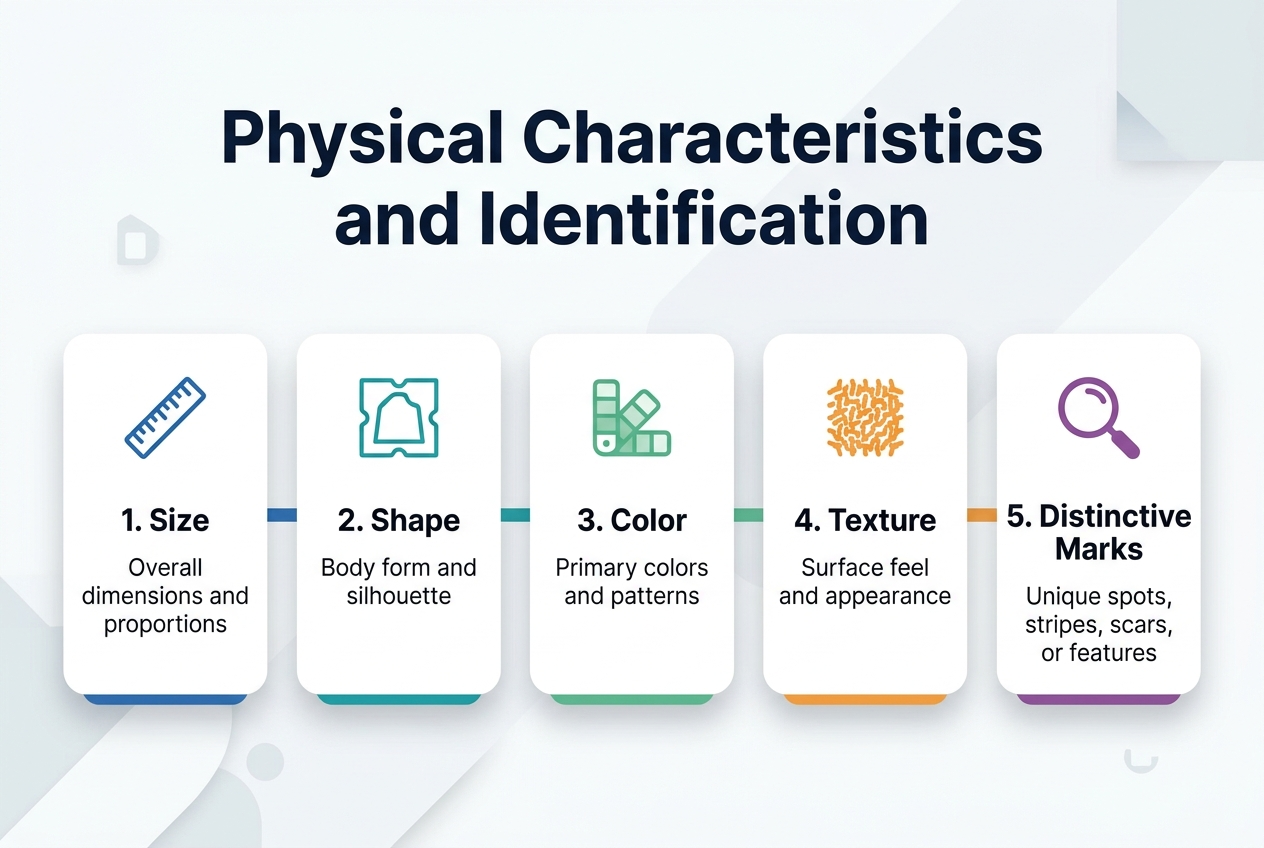
Distinctive bronze wing patches and coloration patterns
Bronze Wing Pionus parrots showcase one of the most striking color combinations in the parrot world. Their most recognizable feature comes from the metallic bronze patches that gleam across their wing coverts and secondary flight feathers. These bronze markings catch light beautifully, shifting from deep copper to bright golden hues depending on the angle and lighting conditions.
The bird’s head displays rich blue coloring that transitions into violet-purple tones around the throat and chest area. Their back and wings feature deep green plumage, while the underparts show a more subdued olive-green shade. The rump and upper tail coverts often display bright blue markings that complement the head coloration. Under-tail coverts typically show vibrant red patches that become visible during flight or when the bird stretches.
Size and body structure compared to other parrots
Bronze Wing Pionus parrots fall into the medium-sized category, measuring approximately 11 inches (28 centimeters) in length and weighing between 210-280 grams. Their build appears more compact and stocky compared to similarly-sized species like conures or small amazons.
| Species | Length | Weight | Build Type |
|---|---|---|---|
| Bronze Winged Pionus | 11 inches | 210-280g | Stocky, compact |
| Blue Crown Conure | 14 inches | 140-190g | Lean, elongated |
| White Eyed Conure | 13 inches | 140-170g | Slender |
| Blue Headed Pionus | 11 inches | 225-295g | Stocky, similar |
Their wings appear proportionally shorter and broader than those of conures, giving them a more rounded flight silhouette. The tail measures moderately short and square-ended, typical of the Pionus genus.
Sexual dimorphism and age-related appearance changes
Adult males and females look nearly identical, making visual sexing extremely challenging for most owners. Males tend to be slightly larger and may show marginally more intense bronze coloration on their wings, but these differences remain subtle and unreliable for definitive identification. DNA testing provides the only accurate method for determining sex.
Juvenile Bronze Winged Pionus display much duller coloration compared to adults. Young birds show:
- Muted bronze wing patches with less metallic sheen
- Darker, less vibrant blue head coloring
- Overall greener appearance with reduced contrast
- Darker beak coloration
- Less defined color boundaries between different plumage areas
The transition to full adult plumage typically completes by 12-18 months of age, with bronze wing patches gradually developing their characteristic metallic luster.
Unique facial features and beak characteristics
The Bronze Wing Pionus possesses distinctive facial features that help distinguish them from other Pionus species. Their face shows bright blue coloring that extends from the forehead down to the throat, creating a striking contrast against the green body. The area around the eyes often displays a slightly lighter blue shade.
Their beak appears moderately sized with a pale horn or yellowish coloration, darker at the tip. The upper mandible shows a gentle curve typical of seed-eating parrots, while the lower mandible remains straight and strong. Young birds display darker beak coloration that lightens with age.
The eyes feature dark brown to black irises surrounded by a thin ring of bare skin that appears grayish-white. This bare eye-ring becomes more prominent in adult birds and may show slight color variations between individuals. Their nostrils sit within a small cere area that matches the beak’s pale coloration.
Natural Habitat and Geographic Distribution
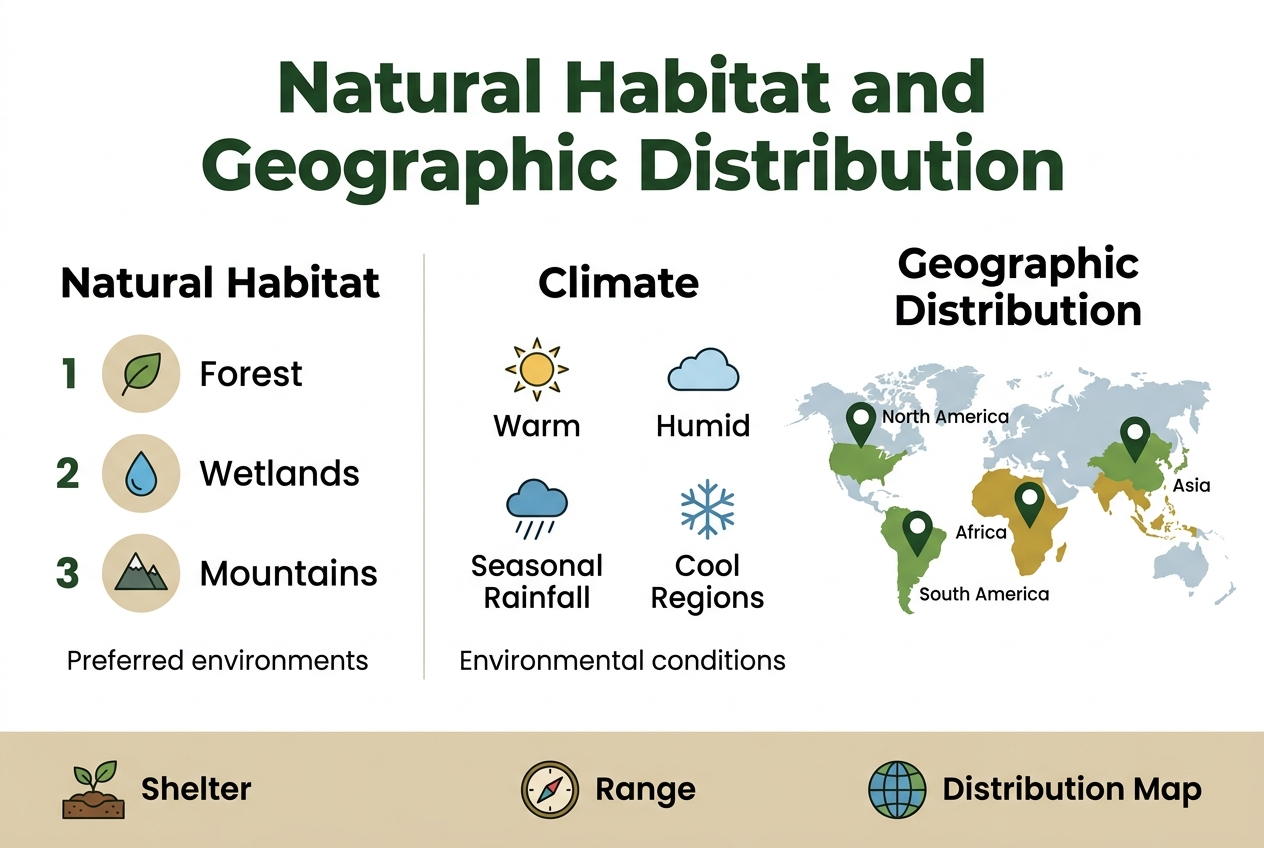
Native rainforest regions of South America
Bronze Winged Pionus parrots call the lush rainforests of South America their home, primarily inhabiting regions across Venezuela, Guyana, Suriname, French Guiana, Brazil, Colombia, Ecuador, Peru, and Bolivia. These vibrant birds thrive in the dense canopy layers of both primary and secondary tropical rainforests, where they find abundant food sources and safe nesting sites.
The Amazon Basin serves as their primary stronghold, with significant populations flourishing throughout the vast river systems and tributaries. They particularly favor areas where the forest canopy remains intact, as these environments provide the complex vertical structure they need for foraging and roosting. While they can adapt to partially cleared areas, Bronze Winged Pionus rarely venture far from substantial forest cover.
In the northern regions of their range, these parrots inhabit the Guiana Highlands and the Venezuelan tepuis, while southern populations extend into the Brazilian Pantanal and Bolivian lowlands. The species shows remarkable adaptability across different forest types, from flooded forests along riverbanks to terra firme forests on higher ground.
Preferred altitude ranges and climate conditions
Bronze Wing Pionus parrots demonstrate impressive altitude tolerance, ranging from sea level up to approximately 1,500 meters (4,921 feet) in elevation. Most populations prefer lowland areas below 500 meters, where the climate remains consistently warm and humid year-round. These birds thrive in regions with average temperatures between 24-28°C (75-82°F) and high humidity levels typically exceeding 80%.
The species requires consistent rainfall patterns, favoring areas that receive 2,000-3,000mm of annual precipitation. They show particular preference for regions with distinct wet and dry seasons, as these patterns influence fruit availability and breeding cycles. During the wet season, when temperatures are slightly cooler and humidity peaks, these parrots become more active in their foraging and social behaviors.
Mountain populations inhabit cloud forests and montane rainforests, where cooler temperatures and frequent mist create unique microclimates. These higher elevation birds have adapted to temperature variations between 18-24°C (64-75°F) and must cope with more dramatic daily temperature fluctuations.
Seasonal movement patterns and territory requirements
Bronze Wing Pionus parrots are primarily sedentary birds, but they do exhibit local movements related to food availability and breeding cycles. During fruiting seasons, flocks may travel several kilometers from their core territories to exploit abundant food sources, particularly when large fruiting trees like figs and palms come into season.
Their territory requirements are quite substantial, with pairs typically maintaining home ranges of 50-100 hectares during breeding season. Outside of breeding periods, these parrots become more social and may form loose flocks of 10-30 individuals that roam across larger areas in search of food. These groups often follow predictable routes between feeding sites, roosting areas, and water sources.
Breeding pairs establish territories around suitable nesting cavities, usually in large emergent trees that rise above the main canopy. They defend these areas vigorously from March through August, which corresponds to the dry season in most of their range. During this period, territorial behaviors intensify, and pairs rarely venture more than 2-3 kilometers from their nesting sites.
Post-breeding dispersal occurs when young birds leave their natal territories, sometimes traveling significant distances to find suitable habitat and mates. This movement pattern helps maintain genetic diversity across populations and allows the species to colonize new areas when suitable habitat becomes available.
Behavior and Social Structure in the Wild
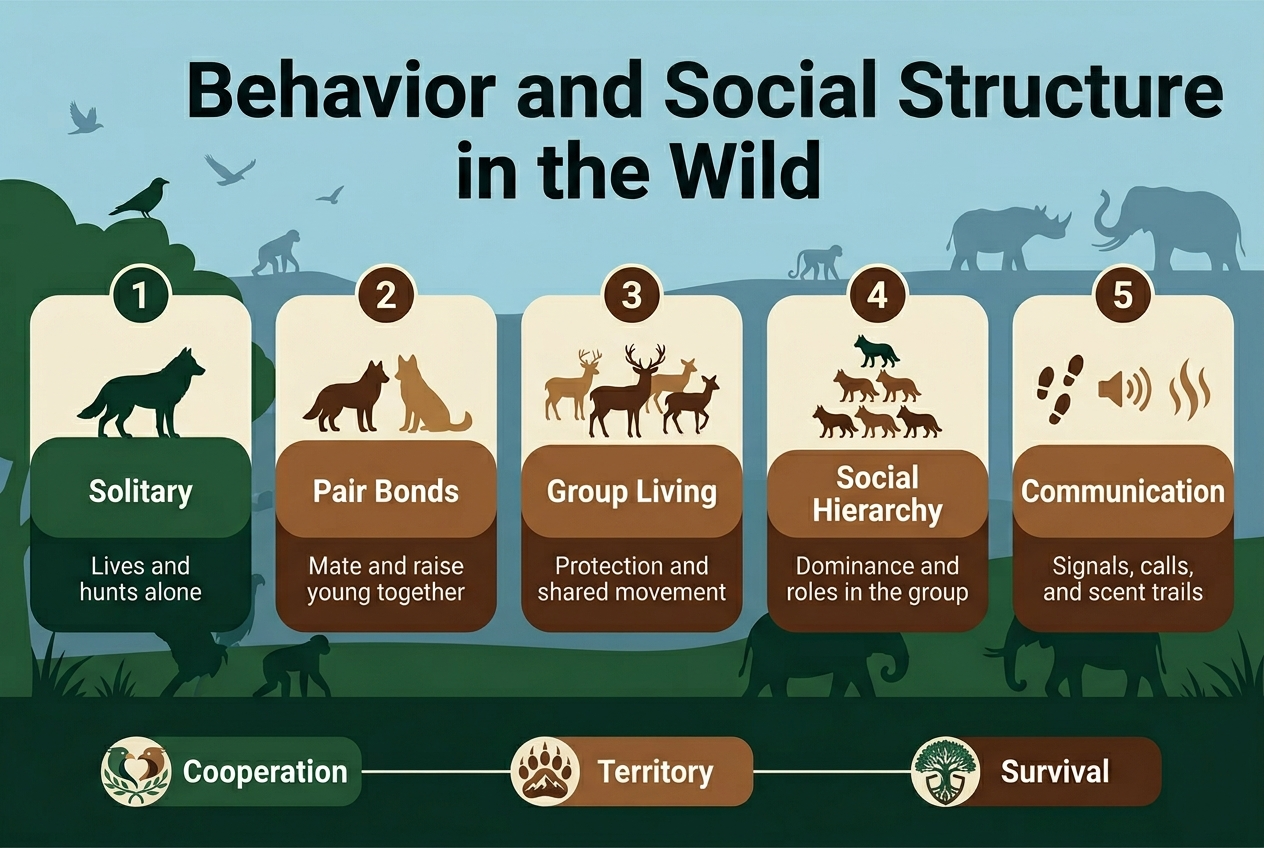
Flock dynamics and communication methods
Bronze Wing Pionus parrots are naturally social creatures that form small to medium-sized flocks, typically ranging from 6 to 30 birds. These flocks operate with a loose hierarchical structure where experienced birds often lead foraging expeditions and alert the group to potential dangers. The social bonds within these flocks are strong, with birds regularly engaging in mutual preening and staying close to their preferred companions during flight and feeding.
Their communication system is surprisingly complex, involving a variety of vocalizations that serve different purposes. The Bronze Winged Pionus uses soft warbling sounds for close-contact communication within the flock, while harsh, piercing calls signal alarm or danger. They also produce distinctive contact calls that help separated flock members locate each other across dense forest canopies. Body language plays an equally important role – head bobbing indicates excitement or attention, while feather positioning communicates mood and social status.
Daily activity patterns and feeding schedules
Bronze Winged Pionus follows a predictable daily rhythm that revolves around optimal feeding times and environmental conditions. These birds become active shortly before sunrise, beginning their day with vocal exchanges that help coordinate flock movements. The peak feeding period occurs during early morning hours when fruits are at their freshest and insects are most abundant.
Mid-morning typically brings a period of social interaction and preening, followed by a midday rest period when the birds seek shelter from intense heat. A second major feeding session takes place in late afternoon, allowing the birds to build energy reserves for the night. Evening hours are spent returning to communal roosting sites, where the flock engages in quiet social behaviors before settling in for the night.
Weather patterns significantly influence these daily routines. During rainy seasons, the birds adjust their schedule to take advantage of increased fruit availability and insect activity. Dry periods may extend feeding times as food sources become more scattered and require longer search efforts.
Mating rituals and pair bonding behaviors
The courtship behavior of Bronze Winged Pionus is both elaborate and endearing. Males initiate courtship through food sharing, offering choice morsels to potential mates as a demonstration of their ability to provide. This gift-giving behavior is accompanied by head bobbing, wing displays, and soft vocalizations that showcase the male’s health and vitality.
Pair bonding develops gradually through mutual preening sessions, synchronized movements, and shared territory defense. Once a pair forms, they maintain close physical proximity and engage in regular allopreening – a behavior that strengthens their emotional connection and helps maintain feather condition. These pairs often remain together for multiple breeding seasons, though they’re not necessarily monogamous for life.
Dancing rituals play a crucial role in strengthening pair bonds. Both birds participate in coordinated movements that include head swaying, wing positioning, and rhythmic vocalizations. These displays become more frequent and intense as breeding season approaches, serving both to reinforce the pair bond and prepare the birds physiologically for reproduction.
Nesting habits and breeding cycles
Bronze Wing Pionus typically breeds during the dry season when food resources are most predictable and weather conditions are stable. These birds are cavity nesters, seeking out natural hollows in large trees, particularly dead or partially decayed specimens that are easier to excavate. The female takes primary responsibility for nest preparation, spending considerable time modifying the cavity to create an appropriate nesting chamber.
The breeding cycle begins with nest site selection, a process that can take several weeks as the pair evaluates multiple potential locations. Once a site is chosen, the female lays 2-4 white eggs, which she incubates for approximately 26-28 days. During this period, the male assumes responsibility for feeding his mate and defending the territory around the nest.
Chick-rearing is a collaborative effort, though roles are clearly divided. The female remains with the nestlings for the first two weeks, keeping them warm and protected while the male continues foraging duties. As the chicks grow, both parents participate in feeding, making frequent trips to gather fruits, seeds, and insects. The young fledge after about 8-10 weeks but continue to rely on their parents for food and protection for several additional weeks as they develop essential survival skills.
Diet and Nutritional Requirements

Wild diet consisting of fruits, seeds, and vegetation
Bronze Winged Pionus parrots are natural foragers that spend most of their day searching for diverse food sources in the rainforest canopy. Their wild diet primarily consists of ripe fruits from native trees like figs, palm fruits, and various berries that provide essential sugars and vitamins. Seeds make up another crucial component, particularly those from leguminous plants and various tree species that offer protein and healthy fats.
These intelligent birds also consume flowers, buds, and young leaves, which supply important minerals and phytonutrients often lacking in seed-only diets. Clay licking is another fascinating behavior observed in wild Bronze Winged Pionus populations, where they visit clay licks to obtain essential minerals and neutralize toxins from certain plant materials they consume.
The seasonal availability of different foods means wild pionus develop flexible eating habits, switching between food sources as they ripen throughout the year. This natural variety exposes them to dozens of different nutrients and compounds that contribute to their robust health and vibrant plumage.
Optimal captive nutrition for health and longevity
Creating a balanced captive diet requires mimicking the nutritional diversity these birds experience in nature. High-quality pellets should form the foundation of their diet, comprising about 70-80% of total food intake. Look for pellets specifically formulated for medium-sized parrots without artificial colors or excessive preservatives.
Fresh fruits and vegetables should make up 15-20% of their daily nutrition. Excellent choices include:
- Fruits: Apples, berries, grapes, pomegranate, papaya, and mango
- Vegetables: Leafy greens, carrots, sweet potatoes, broccoli, and bell peppers
- Sprouted seeds: Mung beans, quinoa, and legumes
Seeds and nuts should be limited to 5-10% of the diet as treats or training rewards. Safe options include sunflower seeds, pumpkin seeds, almonds, and walnuts. Sprouting seeds before offering them increases their nutritional value and makes them easier to digest.
| Food Category | Percentage of Diet | Examples |
|---|---|---|
| Pellets | 70-80% | High-quality medium parrot pellets |
| Fresh produce | 15-20% | Fruits, vegetables, leafy greens |
| Seeds/Nuts | 5-10% | Sunflower seeds, almonds, sprouted seeds |
Foods to avoid and potential dietary hazards
Several common foods pose serious health risks to Bronze Winged Pionus parrots and should never be offered. Chocolate contains theobromine, which is toxic to birds and can cause seizures, heart problems, and death even in small amounts. Avocado contains persin, a compound that can cause respiratory distress and cardiac issues in parrots.
Caffeine from coffee, tea, or soda can cause hyperactivity, increased heart rate, and potentially fatal cardiac arrhythmias. Salt and high-sodium foods can lead to kidney damage and dehydration, while alcohol is extremely toxic and can cause coma or death.
Other dangerous foods include:
- Raw or dried beans (contain lectins)
- Fruit pits and apple seeds (contain cyanide)
- Onions and garlic (can cause anemia)
- Mushrooms (some varieties are toxic)
- High-fat or fried foods
- Sugary treats and candy
Teflon and other non-stick cookware present an environmental hazard when heated, releasing fumes that are lethal to birds. Always use stainless steel or cast iron cookware when preparing food near your pionus.
Feeding schedules and portion control guidelines
Bronze Winged Pionus parrots thrive on consistent feeding schedules that mirror their natural foraging patterns. Offer fresh food twice daily – once in the morning and again in the late afternoon. This approach prevents food from spoiling and encourages healthy eating habits.
Morning meals should include fresh pellets and any fruits or vegetables that spoil quickly. Remove uneaten fresh foods after 2-3 hours to prevent bacterial growth. Evening meals can include heartier vegetables and any remaining fresh foods, again removing leftovers before bedtime.
Portion sizes depend on your bird’s size and activity level, but a good starting point is:
- Pellets: 1/4 to 1/3 cup daily for average-sized adults
- Fresh produce: 1-2 tablespoons of mixed fruits and vegetables
- Seeds/treats: 1-2 teaspoons maximum
Monitor your pionus’s weight regularly and adjust portions accordingly. Overweight birds may need reduced pellet amounts and increased exercise opportunities, while underweight birds might benefit from slightly larger portions or more frequent feeding times. Fresh water should be available at all times and changed daily to maintain hygiene and encourage proper hydration.
Care Requirements for Pet Owners
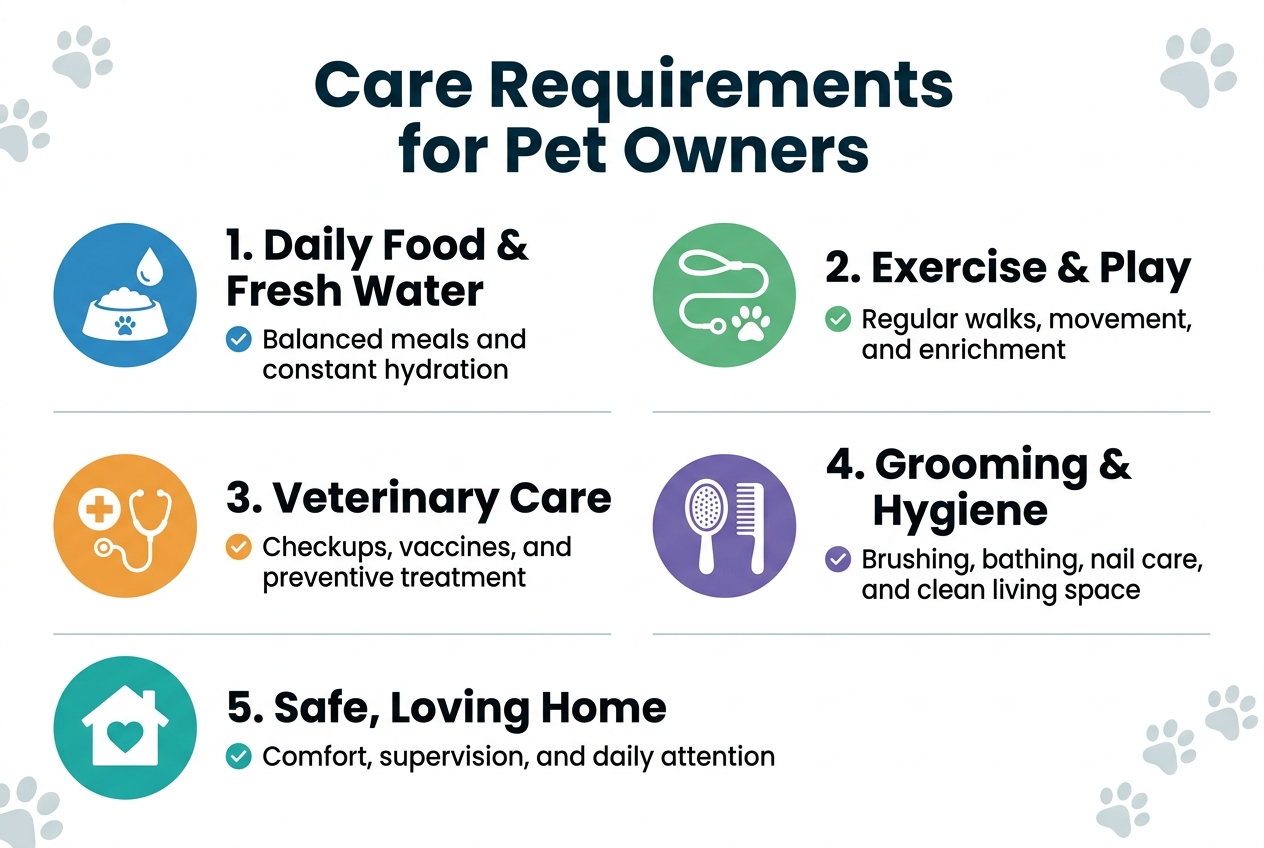
Cage Size Specifications and Environmental Setup
Bronze Winged Pionus parrots need spacious accommodations to thrive in captivity. The minimum cage dimensions should be 36 inches wide, 24 inches deep, and 48 inches tall, though bigger is always better. These active birds require room to spread their wings fully without touching the cage sides.
Bar spacing should measure between 3/4 to 1 inch to prevent escape while allowing safe climbing. Horizontal bars work best since these parrots love to climb and explore different levels of their environment.
Position multiple perches of varying diameters throughout the cage. Natural wood branches from apple, willow, or birch trees make excellent choices. Avoid sandpaper perches as they can cause foot problems over time.
Essential cage accessories include:
- Stainless steel food and water bowls
- Foraging toys that encourage natural behaviors
- A comfortable sleeping area or hut
- Safe chewing materials like untreated wood blocks
Place the cage in a quiet area away from the kitchen to avoid toxic fumes. Windows provide natural light, but ensure the cage isn’t in direct sunlight all day. A corner location gives your bird security while maintaining visual contact with family activities.
Temperature and Humidity Control Essentials
Bronze Wing Pionus parrots originate from tropical climates and need consistent environmental conditions. Maintain temperatures between 68-78°F throughout the year. Sudden temperature drops can stress these sensitive birds and make them susceptible to illness.
Humidity levels should stay between 50-60% to mimic their natural habitat. Dry indoor air, especially during winter months, can cause respiratory issues and make feathers brittle. Simple solutions include:
- Using a room humidifier near the cage
- Placing shallow water dishes around the area
- Misting the air (not the bird directly) with clean water
- Growing live plants nearby
Avoid placing cages near heating vents, air conditioning units, or drafty windows. These create temperature fluctuations that can harm your bird’s health. Monitor conditions with a reliable thermometer and hygrometer placed at cage level.
During colder months, consider using a ceramic heat emitter or panel heater designed for birds. Never use Teflon-coated heat sources as they release toxic fumes when heated.
Mental Stimulation and Enrichment Activities
Bronze Wing Pionus parrots possess sharp intelligence and need constant mental challenges to prevent boredom and destructive behaviors. Rotate toys weekly to maintain novelty and interest.
Effective enrichment strategies include:
| Activity Type | Examples | Benefits |
|---|---|---|
| Foraging toys | Puzzle feeders, hidden treats | Natural behavior simulation |
| Destructible items | Paper rolls, cardboard boxes | Safe chewing outlet |
| Interactive toys | Bells, mirrors, rope toys | Social engagement |
| Training sessions | Target training, trick learning | Mental exercise |
Create foraging opportunities by hiding food in paper cups, wrapping treats in paper, or using specialized foraging devices. This mimics their natural behavior of searching for food in the wild.
Music and nature sounds provide auditory enrichment. Many Pionus parrots enjoy classical music or recordings of tropical rainforest sounds. Some birds even learn to whistle along with their favorite tunes.
Rearrange perches and toys monthly to create a “new” environment. This simple change encourages exploration and prevents cage-bound behaviors.
Exercise Needs and Out-of-Cage Time Recommendations
Daily exercise is crucial for Bronze Winged Pionus physical and mental health. These birds need at least 3-4 hours of supervised out-of-cage time each day. Flight is their primary form of exercise, so create a safe flying area whenever possible.
Safe exercise options include:
- Supervised flights in bird-proofed rooms
- Climbing on designated play gyms
- Walking on flat surfaces (they enjoy ground exploration)
- Playing with interactive toys outside the cage
Bird-proof the exercise area by removing toxic plants, covering mirrors that might cause obsessive behaviors, and securing loose wires or small objects that could be swallowed.
Establish a consistent routine for out-of-cage time. Many Pionus parrots enjoy morning and evening activity periods that align with their natural rhythms. Start with shorter sessions for new birds and gradually increase duration as they become comfortable.
Consider installing perches or play areas in multiple rooms so your bird can join family activities throughout the house. Social interaction during exercise time strengthens the bond between bird and owner.
Grooming and Health Maintenance Routines
Regular grooming keeps Bronze Winged Pionus parrots healthy and comfortable. These birds are generally good at self-care but need assistance with certain tasks.
Weekly grooming checklist:
- Nail trimming (if overgrown)
- Wing feather inspection
- Beak examination for overgrowth or damage
- Weight monitoring using a digital scale
- Overall health assessment
Most Pionus parrots enjoy gentle misting with warm water 2-3 times per week. Use a spray bottle set to mist setting and allow them to air dry naturally. Never use a hair dryer as the heat can be harmful.
Provide a shallow water dish for bathing. Some birds prefer shower perches and enjoy joining their owners during shower time. The steam and gentle water spray often encourage natural preening behaviors.
Watch for signs of feather plucking, which can indicate stress, boredom, or health issues. Healthy Pionus parrots should have smooth, colorful feathers without bare patches or excessive molting outside of normal seasonal periods.
Schedule annual veterinary checkups with an avian specialist. Regular health monitoring catches potential problems early and ensures your bird receives proper nutritional guidance and preventive care.
Training and Socialization Techniques
Building Trust and Establishing Positive Relationships
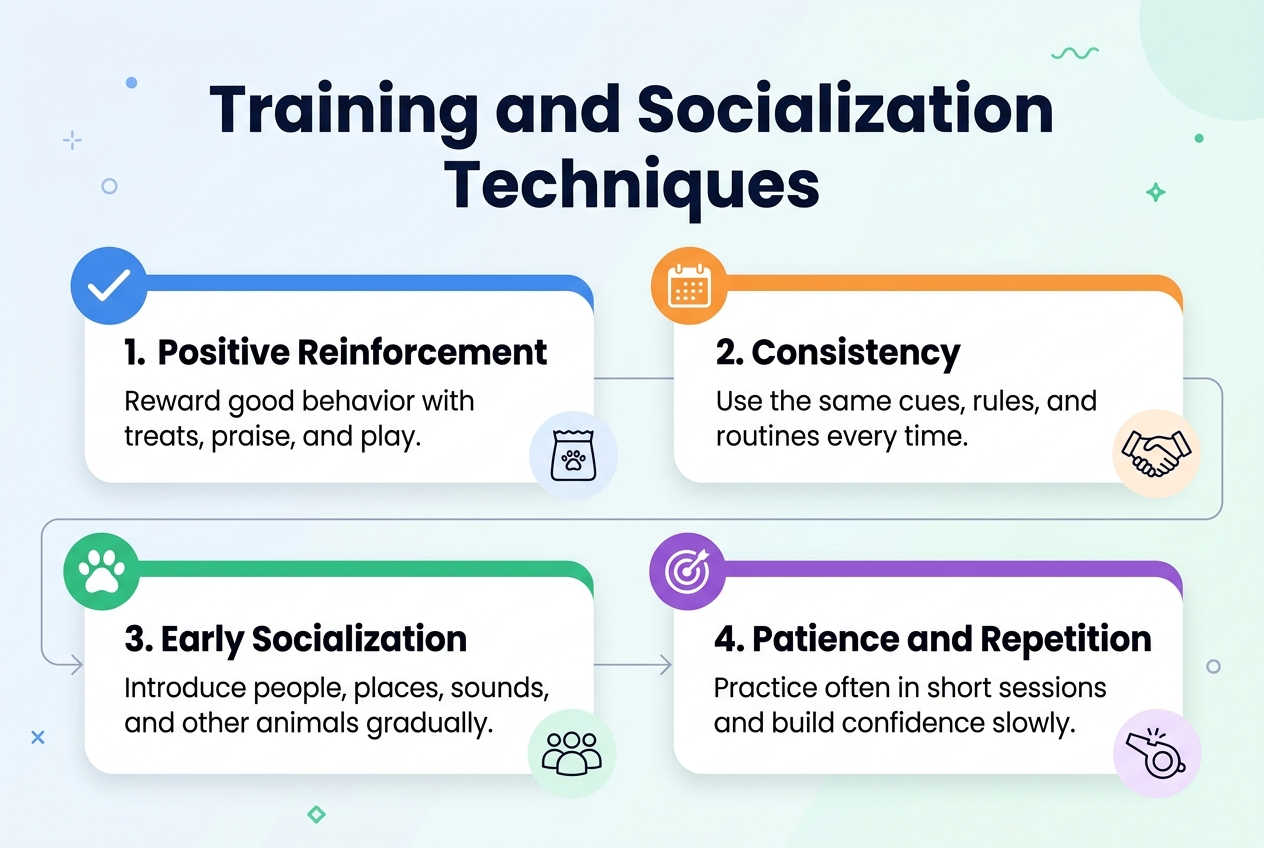
Bronze Wing Pionus parrots are naturally cautious birds that take time to warm up to new people and environments. The foundation of any successful training program starts with patience and consistent positive interactions. These intelligent birds need to feel secure before they’ll engage in learning activities.
Start by allowing your Pionus to observe you from a comfortable distance. Speak softly and move slowly around their cage, offering treats through the bars without forcing interaction. Fresh fruits like apple slices or small pieces of their favorite foods work well as peace offerings. The key is letting them approach you on their terms rather than pushing for immediate contact.
Daily routines help build trust faster than sporadic interactions. Feed them at the same times, clean their cage consistently, and spend regular periods simply being near them while reading or working quietly. This predictable presence shows them you’re not a threat and actually bring good things like food and attention.
Once your bird starts approaching the cage front when you’re near, you can begin offering treats from your hand. Some Pionus may take weeks or even months to reach this comfort level, and that’s perfectly normal. Never rush the process or show frustration, as these sensitive birds will pick up on negative emotions and retreat further.
Basic Command Training and Behavioral Modification
Bronze Wing Pionus respond exceptionally well to positive reinforcement training once trust is established. Start with simple commands like “step up” and “step down” using a consistent verbal cue paired with a gentle gesture. Hold your finger or a perch steady near their feet while saying the command, rewarding any movement toward compliance with immediate praise and treats.
Target training works wonderfully with these intelligent birds. Use a chopstick or small dowel as a target stick, rewarding them when they touch it with their beak. This technique helps with basic positioning and can redirect unwanted behaviors like excessive screaming or aggressive territorial displays.
Effective Training Schedule:
- Morning sessions: 10-15 minutes of basic commands
- Afternoon: Target training and trick practice
- Evening: Calm interaction and bonding time
Behavioral modification requires identifying triggers for unwanted actions. Pionus may become nippy during hormonal periods or when protecting their cage. Redirect these behaviors by offering alternative activities like foraging toys or puzzle feeders. Never punish negative behavior with yelling or physical corrections, as this breaks down the trust you’ve worked to build.
Consistency across all family members is crucial. Everyone interacting with the bird should use the same commands and reward system. Mixed messages confuse these smart birds and slow progress significantly.
Speech Training Potential and Realistic Expectations
Bronze Winged Pionus have moderate talking ability compared to other parrot species. While they won’t match the vocabulary of African Greys or Amazon parrots, many individuals can learn 10-20 clear words and simple phrases. Their voices tend to be softer and more mellow than louder parrot species, making them suitable for apartment living.
Begin speech training with simple, frequently used words like “hello,” “goodbye,” or the bird’s name. Repeat these words clearly during relevant situations – say “hello” when entering the room and “goodbye” when leaving. The context helps them understand meaning beyond just mimicking sounds.
Some Pionus prefer whistles and sound effects over actual words. Don’t be disappointed if your bird becomes an expert at mimicking the microwave beep or your phone’s ringtone rather than speaking clearly. These sounds still demonstrate their intelligence and ability to learn.
Speech Training Tips:
- Practice during their most alert times (usually morning and evening)
- Use high-energy, excited tones to capture their attention
- Repeat words 10-15 times per session with enthusiasm
- Reward any attempt at vocalization, even poor pronunciation
Set realistic expectations based on your individual bird’s personality. Some Pionus are naturally more vocal and social, while others prefer to communicate through body language and behavior. Young birds typically learn faster than older ones, but even senior parrots can pick up new sounds with patient, consistent training. The goal should be building a strong communication bond rather than creating a talking machine.
Common Health Issues and Prevention
Respiratory Problems and Environmental Triggers
Bronze Wing Pionus parrots are particularly sensitive to airborne irritants and environmental conditions. Poor air quality ranks among the leading causes of respiratory distress in these birds. Cooking fumes, especially from non-stick cookware, aerosol sprays, cleaning chemicals, and cigarette smoke can trigger serious respiratory episodes. Symptoms include open-mouth breathing, tail bobbing, wheezing, and discharge from the nares.
Dusty environments pose another significant threat. Cedar and pine beddings release aromatic oils that irritate delicate respiratory tissues. Maintaining humidity levels between 50-60% helps prevent dry air from causing respiratory discomfort. Air circulation matters too – stagnant air allows bacteria and fungi to flourish, while excessive drafts can stress birds and compromise their immune systems.
Regular cleaning of the cage and surrounding area reduces airborne particles and bacteria. HEPA air purifiers can help, but avoid ionizing units that produce ozone. Watch for early warning signs like changes in vocalization patterns, decreased activity, or subtle breathing changes that might signal developing problems.
Nutritional Deficiencies and Related Symptoms
Vitamin A deficiency represents the most common nutritional issue in Bronze Winged Pionus parrots. Seeds alone don’t provide adequate nutrition, leading to compromised immune systems and increased susceptibility to infections. Early signs include dull plumage, poor feather quality, frequent respiratory infections, and slow wound healing.
| Deficiency | Symptoms | Prevention |
|---|---|---|
| Vitamin A | Respiratory infections, poor feather quality, eye discharge | Dark leafy greens, orange vegetables, pellets |
| Protein | Muscle wasting, poor feather development, weakness | Cooked legumes, quinoa, high-quality pellets |
| Calcium | Soft-shelled eggs, seizures, fractures | Fortified pellets, dark greens, controlled supplements |
| Iron | Anemia, weakness, pale tissues | Balanced commercial diet, avoid iron-rich supplements |
All-seed diets create multiple deficiencies since seeds are naturally low in vitamins A, D3, and calcium while being high in fat. Converting birds to pelleted diets supplemented with fresh vegetables provides balanced nutrition. Avoid chocolate, avocado, caffeine, and high-sodium foods which can be toxic.
Behavioral Issues Stemming from Inadequate Care
Boredom and lack of mental stimulation manifest in destructive behaviors like excessive screaming, feather plucking, and aggression. Bronze Winged Pionus parrots are intelligent birds that need environmental enrichment and social interaction. Without proper stimulation, they develop stereotypical behaviors including repetitive movements, self-mutilation, and withdrawal.
Inadequate sleep schedules disrupt natural circadian rhythms, leading to hormonal imbalances and behavioral problems. These parrots need 10-12 hours of uninterrupted darkness each night. Inconsistent daily routines create anxiety and stress-related behaviors.
Social isolation particularly affects these naturally social birds. Single birds without adequate human interaction may become depressed, aggressive, or develop attention-seeking behaviors. Providing foraging opportunities, rotating toys, and maintaining consistent social schedules helps prevent behavioral issues.
Regular Veterinary Checkups and Health Monitoring
Annual wellness exams with an avian veterinarian catch problems before they become serious. These appointments should include physical examinations, weight monitoring, and baseline blood work. Many serious conditions show no external symptoms until advanced stages.
Daily health monitoring at home includes observing eating habits, droppings consistency and color, energy levels, and breathing patterns. Sudden changes in any of these areas warrant immediate veterinary attention. Weekly weight checks using a gram scale help detect gradual changes that might indicate developing health issues.
Quarantine protocols become essential when introducing new birds. A minimum 30-day isolation period allows time for disease symptoms to develop and prevents transmission to existing birds. During this time, veterinary examination and testing help ensure the new bird’s health status.
Bronze Wing Pionus
Keep detailed health records including vaccination dates, medication histories, and behavioral observations. This information proves invaluable during emergencies and helps veterinarians track health trends over time.

The Bronze Wing Pionus stands stands out as a remarkable parrot species with its distinctive bronze-tipped wings and calm, gentle nature. These birds thrive in South American forests and have adapted well to life as companion animals when their specific needs are met. Their quiet demeanor and moderate size make them excellent pets for those who understand their requirements for proper nutrition, mental stimulation, and consistent veterinary care.
Taking care of a Bronze Winged Pionus means committing to their long-term wellbeing through proper diet, regular health checkups, and patient training approaches that respect their naturally reserved personality. These parrots reward dedicated owners with years of companionship and can develop strong bonds when socialized properly from a young age. If you’re considering adding one of these beautiful birds to your family, make sure you’re prepared for the responsibility and have access to an avian veterinarian who can help maintain their health throughout their 25-30 year lifespan.
