
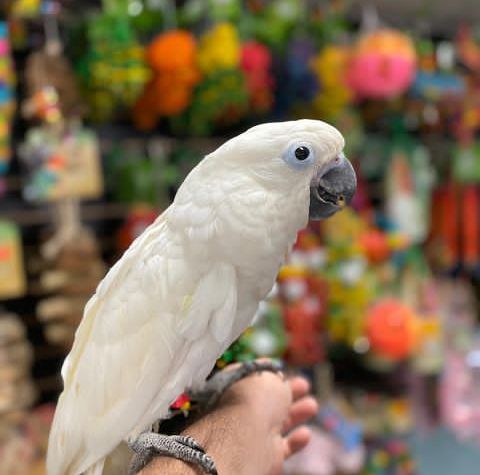
Cockatoo for Sale
Umbrella Cockatoo for Sale
Cockatoo for Sale, This bird species are native to Australia and the surrounding islands of Oceania. These include regions such as Malaysia, the Philippines, the eastern Indonesian islands of Wallacea, New Guinea, and the Solomon Islands. Cockatoos can be found in a variety of natural environments, from subalpine forests to mangrove swamps. The most commonly seen species, such as the galah and cockatiel, tend to live in open areas with a lot of grass for seed.
Commonly kept cockatoos include:
– Umbrella cockatoo
– Rose-breasted cockatoo
– Sulphur-crested cockatoo
– Citron-crested cockatoo
– Moluccan cockatoo
Temperament
Cockatoos are energetic and affectionate birds because they stick close to their people. because of their social nature and need for affection, they require a lot of attention and time from their owners. If they don’t get enough attention, cockatoos can become sad, display nervous behaviors, or even harm themselves. They are intelligent, playful, and sometimes mischievous. They can also be very noisy.
Speech and Vocalizations
Cockatoos aren’t as talkative as some other parrot species, but they can learn to speak. They are capable of imitating a wide range of sounds, including human speech. The size of their vocabulary depends on how much effort you put into training them.
Be aware that some cockatoos may repeat words they have learned, which can be annoying or cause issues with neighbors. When scared or upset, they can also make a hissing sound. Because cockatoos can become anxious if ignored, they may vocalize, such as by screaming, to gain attention. It’s important to provide them with activities and toys to keep them occupied and content when you are not around.
Cockatoo Colors and Markings
The feathers of cockatoos are generally not as bright as those of other parrots.
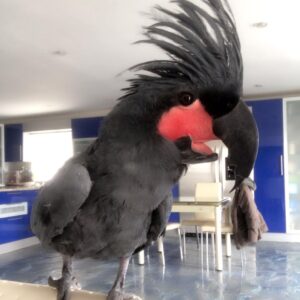
Most cockatoos are black, gray, or white, with some species having small patches of yellow, pink, or red on their crests or tails. Several cockatoo species have a distinctive ring of bare skin around their eyes. For example, the palm cockatoo has a large red patch around its eye and across part of its face. Other species with eye rings include the little corella (bare-eyed cockatoo) and the blue-eyed cockatoo.
In most species, the coloration of males and females is similar. There are a few exceptions where males and females look different. These include the gang-gang, red-tailed, and glossy-black cockatoos. In the case of cockatiels, young males and females have similar feather patterns, but females continue to have barred or stippled feathers on their tails and wings, while males develop solid coloration after a year.
Caring for the Cockatoo
Cockatoos require a strong cage made of wrought iron or stainless steel to withstand their strong beaks. The cage should have horizontal bars so they can climb along the sides. Cockatoos such as the Goffin’s, galah, and lesser sulphur-crested can thrive in this size.
Larger cockatoos, such as the umbrella, Moluccan, and palm cockatoo, need even larger cages.
A bigger cage is always better. Cockatoos are active during the day and need at least 12 to 14 hours of undisturbed sleep each night. In the wild, they start being active in the middle of the day once it gets warm. In captivity, they usually wake up with the sun and will often signal it to their owners.
Cockatoos produce a fine powder from their special down feathers, used for grooming.
This dust can spread throughout the home and may affect people with allergies. To manage this, it’s important to bathe your cockatoo once a week and use an air filter to reduce dust levels.
Common Health Problems
Like other pets, cockatoos can suffer from various health issues. It is important to work with an avian veterinarian for proper care. Some common health problems include:
– Neurotic behaviors: Cockatoos may develop feather picking or self-harming behavior if they don’t receive enough love and attention.
– Reproductive problems: Overstimulation or inappropriate handling can lead to reproductive issues, such as egg-laying difficulties, organ prolapse, or even cancerous changes in the reproductive tract.
– Psittacine beak and feather disease: A viral condition that weakens the immune system.
Symptoms include loss of powder down, feather loss, beak abnormalities, and poor feather development.
– Bumblefoot: Infections or injuries to the feet, often caused by unsuitable perches, poor nutrition, or bacterial infections.
– Obesity: Due to high-fat diets and lack of exercise.
Consult a veterinarian to find the best diet and provide regular physical activity.
Diet and Nutrition
In the wild, cockatoos mainly eat nuts and seeds.
In captivity, they need a varied diet that includes fresh fruits, vegetables, and grains, as well as a high-quality avian pellet diet. Pellets should make up about 75% of their food, and the remaining 25% should be fresh produce.

angela edwin –
Wonderful lady we purchased 2 Cockatoo and two finches. Also cage and food. Very helpful very friendly lovely set up would highly recommend
Tonya Willis –
I’m amazed! Beautiful bird and super fast shipping—what more could I ask for?