
Baby Cockatoo Black Palm
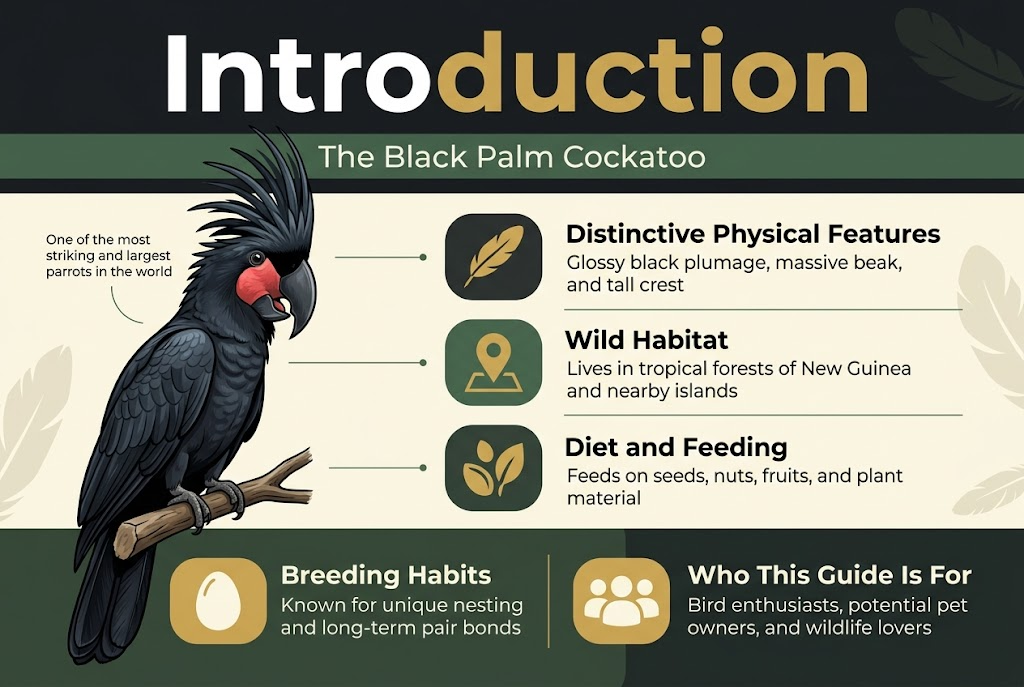
The Cockatoo Black Palm stands out as one of the most striking and largest parrots in the world. This guide is perfect for bird enthusiasts, potential pet owners, and wildlife lovers who want to learn about these impressive creatures.
You’ll discover the Black Palm Cockatoo’s distinctive physical features and where these magnificent birds live in the wild. We’ll also explore their natural diet and unique breeding habits that make them so fascinating to observe and study.
Physical Characteristics and Appearance
Distinctive Black Plumage and Impressive Size
The Cockatoo Black Palm stands as one of nature’s most striking avian specimens, commanding attention with its dramatic coal-black plumage that gleams with subtle blue and green iridescence under proper lighting. These magnificent birds rank among the largest cockatoos in the world, measuring between 22 to 24 inches in length with impressive wingspans reaching up to 35 inches. Their substantial build and robust frame give them a commanding presence that few other parrots can match.
The deep black feathers create a sleek, almost velvety appearance that distinguishes them from their lighter-colored cockatoo relatives. This uniform dark coloration serves as excellent camouflage within their native rainforest canopy, helping them blend seamlessly among the shadows and dark foliage of their natural habitat.
Unique Beak Structure and Coloration
Perhaps no feature defines the Black Palm Cockatoo more than its extraordinary beak – a massive, powerful tool that commands respect and admiration. The upper mandible appears almost disproportionately large, curving dramatically downward in a distinctive hook shape that immediately sets these birds apart from other cockatoo species. This impressive beak ranges in color from charcoal gray to deep black, often with subtle variations in tone.
The beak serves multiple purposes beyond simple feeding. These intelligent birds use their formidable beaks as versatile tools for cracking the hardest nuts and seeds, stripping bark from trees, and manipulating objects with surprising precision. The sheer size and strength of this appendage reflect their specialized diet and powerful jaw muscles, making them capable of exerting tremendous crushing force when needed.
Crest Feathers and Their Expressive Displays
The Cockatoo Black Palm’s crest represents one of their most expressive and communicative features. Unlike the flowing, curved crests of other cockatoo species, theirs appears more angular and structured, consisting of elongated black feathers that can be raised or lowered depending on their emotional state and social interactions.
When fully erected, the crest creates an impressive mohawk-like display that can make these already large birds appear even more formidable. This dramatic elevation typically occurs during moments of excitement, alarm, or when asserting dominance. Conversely, when relaxed and content, the crest lies flat against their head, creating a sleeker profile that suggests calmness and security.
These crest movements serve as crucial visual communication tools, allowing other birds to quickly assess mood and intentions from considerable distances. Observing crest positioning provides valuable insights into a bird’s current emotional state and helps predict their likely behavior.
Sexual Dimorphism and Age-Related Features
Cockatoo Black Palm exhibit subtle but distinguishable differences between males and females, though these variations require careful observation to detect. Adult males typically display slightly larger overall body size and more prominent beak dimensions compared to their female counterparts. The male’s head often appears broader and more angular, while females tend to have somewhat more refined facial features.
The most reliable method for determining gender involves examining the eye color and surrounding bare facial patches. Males usually develop darker, more intense eye coloration, while females often retain slightly lighter tones. The bare skin patches around the eyes also vary between sexes, with males showing more pronounced reddish or orange hues during breeding season.
Young Black Palm Cockatoos can be distinguished from adults through several key characteristics. Juveniles possess lighter-colored beaks that gradually darken with age, and their overall plumage may appear less lustrous than mature birds. The crest feathers in young birds are typically shorter and less defined, developing their full dramatic appearance only as they reach sexual maturity around four to seven years of age.
Natural Habitat and Distribution
Native regions of Australia and New Guinea
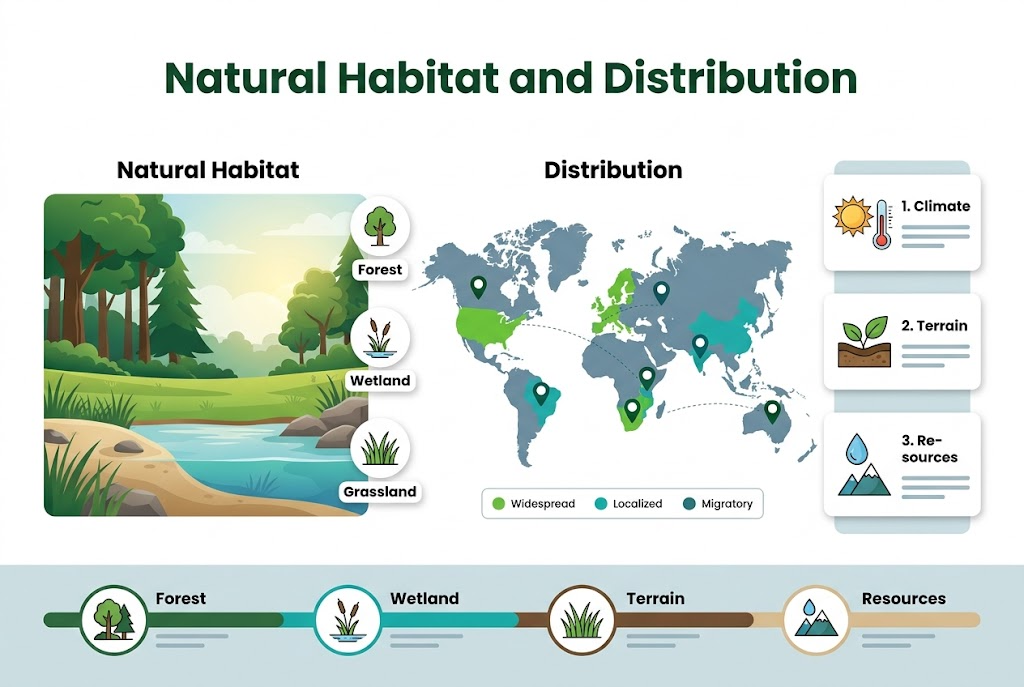
Cockatoo Black Palm inhabit a remarkably specific geographical range that spans across northern Australia and southern New Guinea. In Australia, these magnificent birds call the Cape York Peninsula in far north Queensland their home, with populations concentrated in the wet tropical regions around the Iron Range, McIlwraith Range, and Jardine River areas. Their Australian range extends from about Coen in the south to the very tip of Cape York, covering roughly 60,000 square kilometers of pristine wilderness.
Across the Torres Strait, Black Palm Cockatoos thrive throughout the lowland and hill forests of New Guinea, including both Papua New Guinea and the Indonesian province of Papua. The New Guinea populations are more widespread and stable compared to their Australian counterparts, with birds found from sea level up to mountainous regions. The Aru Islands, located off the southwestern coast of New Guinea, also support populations of these remarkable parrots.
What makes their distribution pattern particularly interesting is how fragmented their Australian range has become. Climate changes and habitat modifications over thousands of years have created isolated pockets where these birds survive, making each population genetically and behaviorally distinct from others.
Preferred forest environments and altitude ranges
Cockatoo Black Palm show a strong preference for dense, tall rainforest canopies and woodland areas that provide both food sources and suitable nesting opportunities. They gravitate toward mature gallery forests, which are the lush corridors of vegetation that follow waterways and creek systems. These riparian forests offer the perfect combination of large, old-growth trees for nesting and diverse plant communities for foraging.
The birds typically inhabit areas from sea level up to about 800 meters in elevation, though they occasionally venture into higher altitudes when food sources become available. Primary rainforest represents their ideal habitat, but they’ve also adapted to live in secondary forests and woodland savannas that border their core territories.
Eucalyptus forests, particularly those dominated by stringybark and bloodwood species, provide essential resources throughout different seasons. During the dry season, these areas become critical as they offer reliable food sources when rainforest fruits become scarce. The birds also frequent melaleuca woodlands and monsoon forests, showing remarkable flexibility in their habitat use.
Large, hollow-bearing trees are absolutely essential for their survival, as these serve as both roosting and nesting sites. The birds prefer trees that are at least 200 years old, as younger trees rarely develop the massive hollows these large cockatoos require.
Territorial behavior and home range requirements
Cockatoo Black Palm maintain some of the largest home ranges of any parrot species, with individual pairs controlling territories that can span 100 to 200 square kilometers. These expansive territories reflect both their large body size and their specialized dietary needs, which require access to diverse food sources spread across vast areas.
Pairs typically establish core areas of about 10-15 square kilometers where they spend most of their time, particularly during breeding season. Within these core zones, they defend specific roosting trees, favored feeding sites, and their precious nesting hollow with remarkable intensity. Males become especially territorial during breeding season, engaging in dramatic displays that include loud calling, wing spreading, and aggressive chasing of intruders.
The birds follow predictable daily movement patterns within their territories, often traveling 5-10 kilometers between roosting sites and feeding areas. They maintain a network of favored trees throughout their range, including regular perching spots, drinking locations along creeks, and seasonal feeding trees that produce fruits at different times of the year.
What’s fascinating about their territorial system is how neighboring pairs maintain buffer zones between their core areas. These neutral zones allow for some overlap in home ranges while reducing direct conflict. Young birds and non-breeding adults often use these buffer areas, learning the landscape and waiting for opportunities to establish their own territories when mature pairs disappear or die.
Diet and Feeding Behavior
Primary food sources in the wild
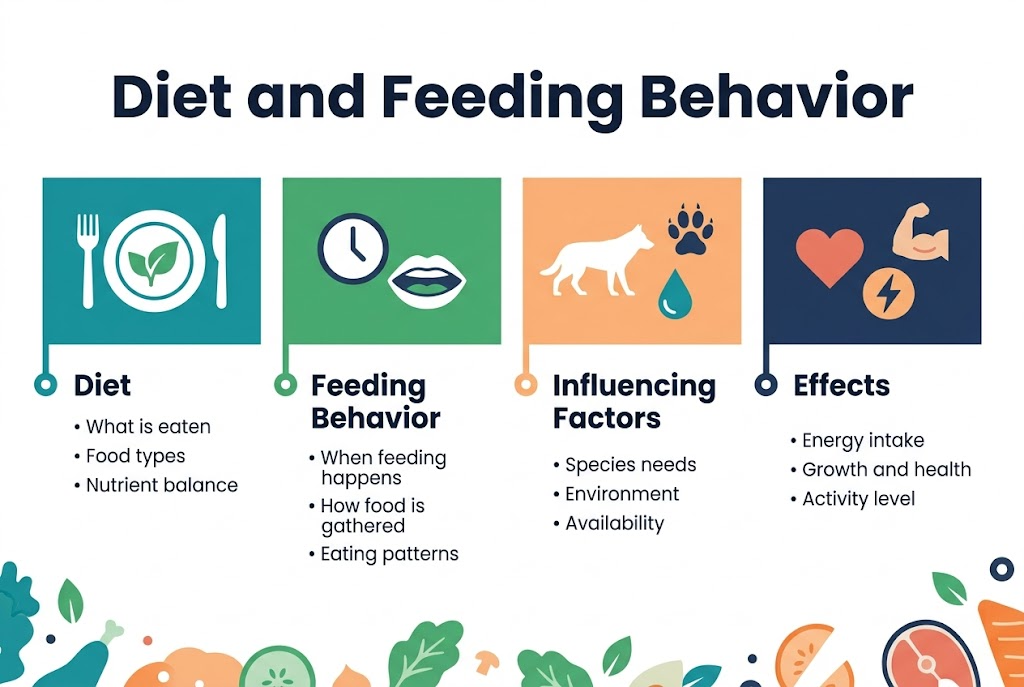
Cockatoo Black Palm are primarily granivorous, meaning they feast mainly on seeds and nuts. Their powerful beaks make short work of the toughest palm nuts, particularly those from the Kanary nut palm (Canarium species), which forms the backbone of their diet. These magnificent birds also consume seeds from eucalyptus trees, wattle species, and various native Australian trees.
Fresh fruits play a significant role in their nutrition, with figs, berries, and seasonal native fruits providing essential vitamins and moisture. During certain times of the year, they’ll also nibble on fresh shoots, leaves, and flower buds, adding variety to their plant-based menu. Occasionally, these cockatoos supplement their diet with small insects, larvae, and wood-boring grubs, which provide crucial protein sources.
Foraging techniques and feeding patterns
Cockatoo Black Palm are incredibly skilled foragers who use their impressive intelligence to locate food sources. They employ their strong, curved beaks like precision tools, expertly cracking open even the most stubborn nuts and extracting seeds with remarkable efficiency. Their zygodactyl feet (two toes forward, two backward) work like hands, allowing them to manipulate food items while perched.
These birds are most active during early morning and late afternoon feeding sessions, avoiding the intense midday heat. They forage in small flocks of 3-6 individuals, often returning to proven food sources repeatedly. Their feeding behavior involves careful inspection of potential food items, using their sensitive tongues to test texture and taste before consumption.
Nutritional requirements for optimal health
A balanced diet for black palm cockatoos requires approximately 65% seeds and nuts, 25% fresh fruits and vegetables, and 10% protein sources. Essential nutrients include high levels of vitamin A for immune function, vitamin D3 for calcium absorption, and omega-3 fatty acids for brain health and feather quality.
| Nutrient Category | Daily Requirement | Primary Sources |
|---|---|---|
| Protein | 15-18% | Nuts, legumes, insects |
| Fat | 10-15% | Palm nuts, sunflower seeds |
| Carbohydrates | 45-50% | Fruits, vegetables |
| Fiber | 20-25% | Leafy greens, bark |
Calcium and phosphorus must maintain proper ratios for bone health, while adequate hydration comes from both drinking water and moisture-rich fruits. These birds also need access to natural minerals, which they obtain by consuming clay and mineral-rich soil in the wild.
Seasonal dietary variations
Cockatoo Black Palm adapt their feeding habits throughout the year based on food availability. During the wet season (November to April), fresh fruits and new growth dominate their diet as tropical plants produce abundant crops. This period provides peak nutrition with high water content foods.
The dry season (May to October) forces these intelligent birds to rely more heavily on stored nuts and seeds. They become expert at remembering locations of reliable food caches and may travel greater distances to access water sources. During this time, they consume more bark, dried fruits, and concentrate on high-energy foods to sustain themselves through leaner months.
Breeding season significantly impacts dietary choices, with pairs seeking calcium-rich foods and higher protein content to support egg production and chick development. Parent birds will prioritize the most nutritious food sources during this critical reproductive period.
Breeding and Reproduction
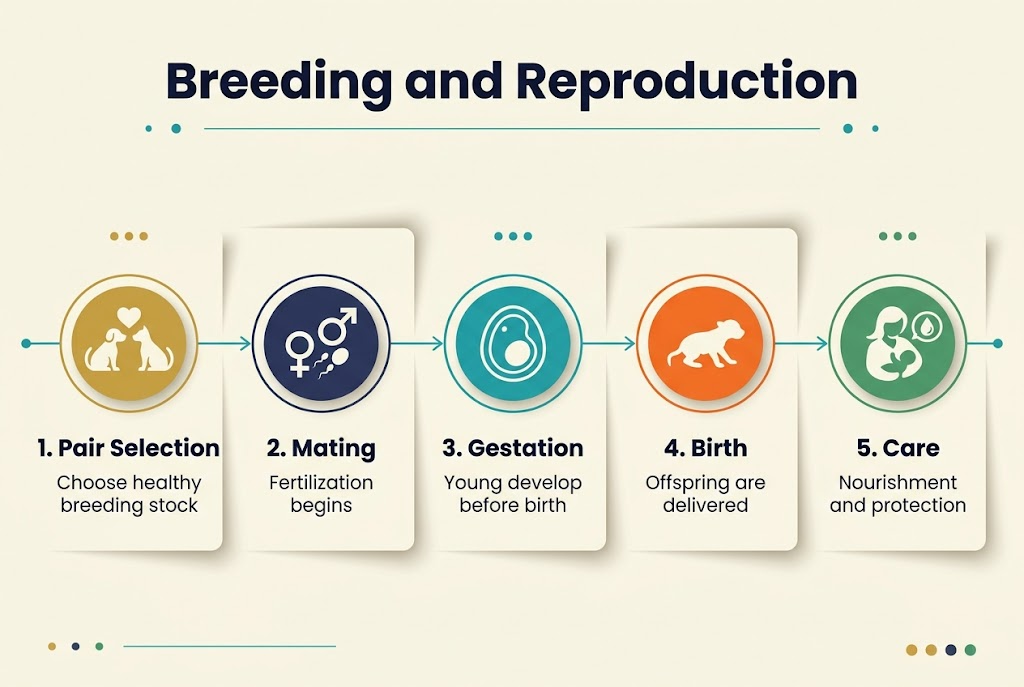
Mating Rituals and Courtship Displays
Cockatoo Black Palm put on quite the romantic show when it comes to attracting mates. Males become passionate performers, using elaborate displays to win over potential partners. They create dramatic drumming sounds by grasping broken sticks in their feet and pounding them against hollow tree branches, producing rhythmic beats that can be heard from over 100 meters away. This drumming serves as both a territorial announcement and an invitation to females.
The visual courtship display is equally impressive. Males raise their striking black crest feathers high while puffing out their chest feathers to appear larger and more magnificent. They perform exaggerated head movements and wing stretches, often hanging upside down from branches to showcase their acrobatic abilities. The bright red cheek patches become more vivid during these displays, contrasting beautifully against their jet-black plumage.
Vocal communications accompany these physical displays, with males producing deep, resonant calls and softer whistle-like sounds. Females evaluate potential mates based on the quality and persistence of these performances, often requiring multiple courtship sessions before accepting a partner.
Nesting Habits and Site Selection
Cockatoo Black Palm are extremely selective when choosing nesting locations, a behavior that significantly impacts their breeding success. These birds exclusively nest in large tree hollows, preferring eucalyptus trees that are typically over 100 years old. The preferred hollow depth ranges from 1-3 meters, providing ample space for the breeding pair and their offspring.
Location scouting becomes a joint effort between mated pairs, who may spend weeks examining potential sites. They look for hollows positioned 15-30 meters above ground, offering protection from ground predators while remaining accessible for the large birds. The entrance hole must be large enough to accommodate their substantial size but not so large as to expose the nest to weather extremes or predators.
Competition for suitable nesting sites is fierce, as appropriate hollows are scarce in their natural habitat. Pairs often return to previously successful nesting sites year after year, with some hollows being used by successive generations of cockatoos. The scarcity of suitable nesting trees represents one of the primary conservation challenges facing this species.
Egg Laying and Incubation Periods
Female Black Palm Cockatoos typically lay a single large egg, though very rarely may produce two. The egg is remarkably large for a bird, measuring approximately 50-55mm in length and weighing around 30-35 grams. The shell appears creamy white with a slightly rough texture that helps prevent slipping within the nest hollow.
The incubation period extends approximately 30-35 days, with both parents sharing this responsibility. Parents alternate incubation duties in shifts lasting several hours, allowing each bird time to feed and exercise. The sitting bird maintains constant contact with the egg, turning it regularly to ensure even heat distribution and proper embryonic development.
During incubation, the non-sitting parent remains vigilant, often perching nearby to guard against potential threats. Weather conditions can significantly affect incubation success, with extreme temperatures or prolonged wet periods potentially causing egg failure. The long incubation period reflects the species’ investment in producing well-developed chicks capable of surviving in challenging environments.
Chick Rearing and Fledgling Development
Cockatoo Black Palm chicks hatch as helpless, pink-skinned babies covered in sparse yellow down. Their eyes remain closed for the first 2-3 weeks, making them completely dependent on their parents for warmth and protection. The chick grows rapidly during the first few months, developing its distinctive black feathers gradually.
Both parents participate actively in feeding their offspring, regurgitating pre-digested food directly into the chick’s mouth. The diet consists primarily of partially processed seeds, nuts, and fruits that provide essential nutrients for proper development. Feeding sessions occur multiple times throughout the day, with parents taking turns foraging while one remains with the chick.
The fledgling period extends 3-4 months, making it one of the longest among parrot species. Young cockatoos remain in the nest hollow much longer than many other birds, developing the strength and coordination necessary for their eventual independence. Even after leaving the nest, juveniles often stay with their parents for several additional months, learning crucial survival skills including foraging techniques and predator recognition.
Parent birds demonstrate remarkable dedication during this extended rearing period, often showing signs of physical stress from the demanding feeding schedule. The extended juvenile dependency period contributes to the species’ slow reproductive rate, as pairs typically breed only every other year or even less frequently.
Care Requirements for Pet Ownership

Housing and Enclosure Specifications
Cockatoo Black Palm need massive flight enclosures to accommodate their impressive wingspan and active nature. The minimum recommended size is 20 feet long, 12 feet wide, and 15 feet high, though larger is always better. These powerful birds can easily destroy inadequate housing, so construction materials must be heavy-duty. Use 12-gauge welding wire or thicker, with bar spacing no wider than 1 inch to prevent escape or injury.
The enclosure needs multiple perches of varying diameters and textures to keep their feet healthy. Natural hardwood branches work best – eucalyptus, manzanita, or apple wood provide different gripping surfaces. Position perches at different heights to encourage movement and exercise.
Weather protection is essential. Include a covered area where the bird can retreat during rain or extreme temperatures. The flooring should allow for easy cleaning while providing good drainage. Many successful keepers use concrete with a slight slope toward drains, covered with washable rubber mats in resting areas.
Safety features matter enormously. Double-entry gates prevent escapes, and all hardware must be stainless steel or powder-coated to resist their destructive beaks. Emergency access points allow quick intervention if needed. Proper lighting mimics natural day cycles, while adequate ventilation prevents respiratory issues common in poorly ventilated spaces.
Daily Exercise and Mental Stimulation Needs
These highly intelligent birds require several hours of supervised out-of-cage time daily. Without adequate physical activity, they develop destructive behaviors and psychological problems that can be irreversible. Flight time is non-negotiable – even clipped birds need space to move their wings and exercise their flight muscles.
Mental stimulation prevents boredom-related issues like feather plucking and aggression. Rotate toys weekly to maintain novelty. Puzzle feeders, foraging opportunities, and problem-solving challenges keep their minds engaged. Hide treats throughout the enclosure to encourage natural foraging behaviors.
Social interaction ranks equally important as physical exercise. These birds form deep bonds and need consistent daily interaction with their human companions. Training sessions using positive reinforcement provide both mental stimulation and relationship building. Simple commands like “step up” and “stay” create structure they crave.
Enrichment activities should change regularly. Large cardboard boxes for shredding, fresh branches for stripping bark, and safe household items for manipulation all serve as entertainment. Some keepers successfully use dog toys designed for heavy chewers, though supervision remains essential.
Veterinary Care and Health Monitoring
Finding an avian veterinarian experienced with large parrots is absolutely critical before acquiring a Cockatoo Black Palm. Annual wellness exams catch problems early, while emergency veterinary access can mean the difference between life and death during health crises.
Daily health monitoring becomes routine for responsible owners. Watch for changes in appetite, droppings, breathing patterns, and behavior. These birds hide illness instinctively, so subtle changes often signal serious problems. Weight fluctuations of even 50 grams warrant veterinary attention.
Common health issues include respiratory infections, nutritional deficiencies, and reproductive problems. Dusty environments trigger respiratory sensitivities, while poor diet leads to vitamin A deficiency and liver disease. Female birds face egg-binding risks without proper calcium levels and nesting conditions.
Regular blood panels monitor organ function and detect diseases before symptoms appear. Expect veterinary costs of several thousand dollars annually for routine care, with emergency treatments potentially costing much more. Many owners maintain dedicated veterinary savings accounts for these inevitable expenses.
Legal Considerations and Permits Required
Cockatoo Black Palm fall under CITES (Convention on International Trade in Endangered Species) regulations, making legal ownership complex and expensive. All birds must have proper documentation proving legal acquisition, including CITES permits for any bird imported after the species listing.
Many jurisdictions require special permits for ownership. Check federal, state, and local regulations before purchase, as laws vary significantly by location. Some areas prohibit ownership entirely, while others require expensive permits, inspections, and ongoing compliance monitoring.
Purchase only from reputable breeders who provide complete legal documentation. Avoid birds without proper paperwork – illegal ownership carries severe penalties including criminal charges and permanent confiscation. Legitimate breeders readily provide CITES documents, health certificates, and breeding records.
Registration requirements often include microchipping for identification and regular reporting to wildlife agencies. Some areas mandate inspections of facilities and care standards. Failure to comply with regulations results in confiscation and legal consequences, leaving owners heartbroken and facing significant financial penalties.
Planning for the bird’s future includes estate considerations, as these birds can outlive their owners. Legal arrangements must address continued care, ownership transfer, and compliance with regulations throughout the bird’s potentially 80-year lifespan.
Conservation Status and Threats
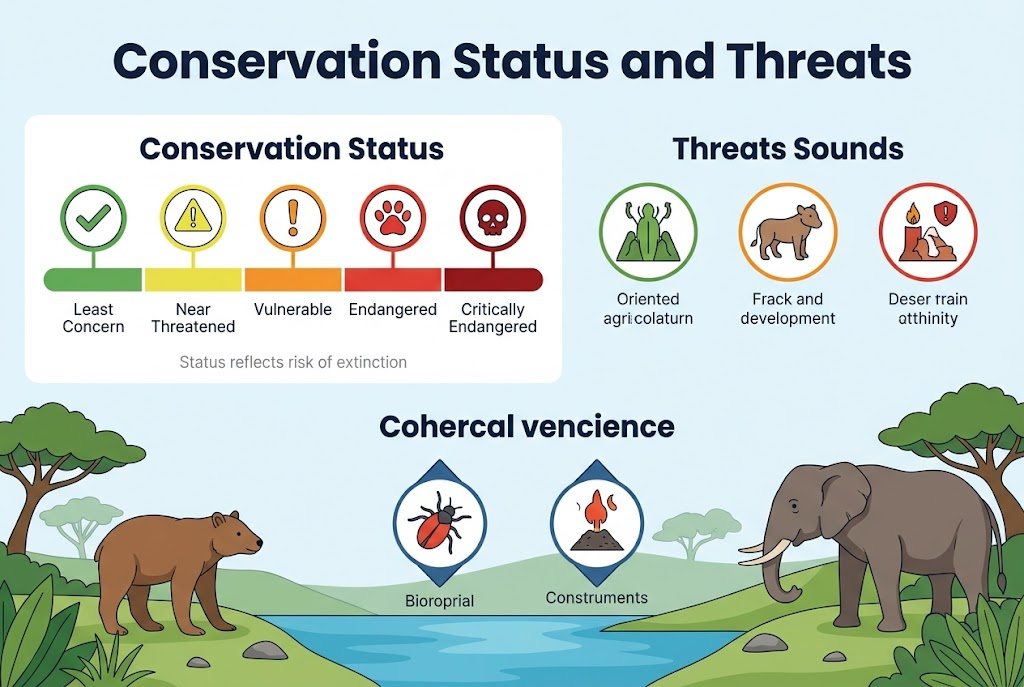
Current Population Trends and Challenges
Cockatoo Black Palm face significant population pressures across their native range in northern Australia and New Guinea. Wild populations have experienced steady declines over the past several decades, with some regional populations showing drops of up to 30% in certain areas. The species’ naturally low reproductive rate makes recovery particularly challenging – these birds don’t reach sexual maturity until 7-10 years old and typically raise only one chick every two years.
The illegal pet trade poses one of the most serious threats to wild populations. A single Black Palm Cockatoo can sell for $15,000-$30,000 on the black market, creating strong financial incentives for poachers. Their distinctive appearance and impressive size make them highly sought after, despite strict international trade regulations under CITES Appendix I protection.
Climate change adds another layer of difficulty, as shifting weather patterns affect food availability and nesting sites. Extended drought periods reduce the fruiting cycles of native trees that these birds depend on, while increased storm intensity destroys critical hollow-bearing trees used for nesting.
Habitat Loss and Environmental Pressures
Deforestation and land conversion represent the primary long-term threats to Black Palm Cockatoo survival. In Australia, coastal development, mining operations, and agricultural expansion have fragmented their rainforest habitat. The Cape York Peninsula, which hosts significant populations, faces ongoing pressure from cattle grazing and infrastructure development.
Mining activities pose particular challenges because they often target areas with the specific geological features that support the diverse ecosystems these birds require. Bauxite mining, common in their range, removes entire forest canopies and destroys the large, old trees that provide nesting hollows – cavities that can take 100-200 years to develop naturally.
Fire management practices also impact their habitat quality. While these cockatoos evolved with natural fire cycles, increased fire frequency and intensity due to human activities can reduce food sources and eliminate nesting trees. The birds require mature forests with diverse canopy layers, and frequent burning prevents forests from reaching this complexity.
Water source degradation through agricultural runoff and urban development affects both the birds directly and their food sources. Many of the fruits and seeds they consume come from riparian vegetation that depends on clean waterways.
