
Baby Blue Crown Conure

Blue crown conure parrots are intelligent, playful birds that make wonderful companions for experienced bird owners and families ready to commit to their long-term care. These vibrant green parrots with their distinctive blue head markings need specific care, attention, and understanding to thrive in captivity.
This guide is for current blue crown conure owners, prospective bird parents, and anyone curious about these charismatic parrots. We’ll explore their unique personality traits and physical characteristics that set them apart from other conure species. You’ll also learn about their essential daily care needs, from proper housing setup to feeding requirements that keep them healthy and happy.
Understanding Blue Crown Conure Characteristics and Traits
Physical Appearance and Distinctive Blue Crown Features
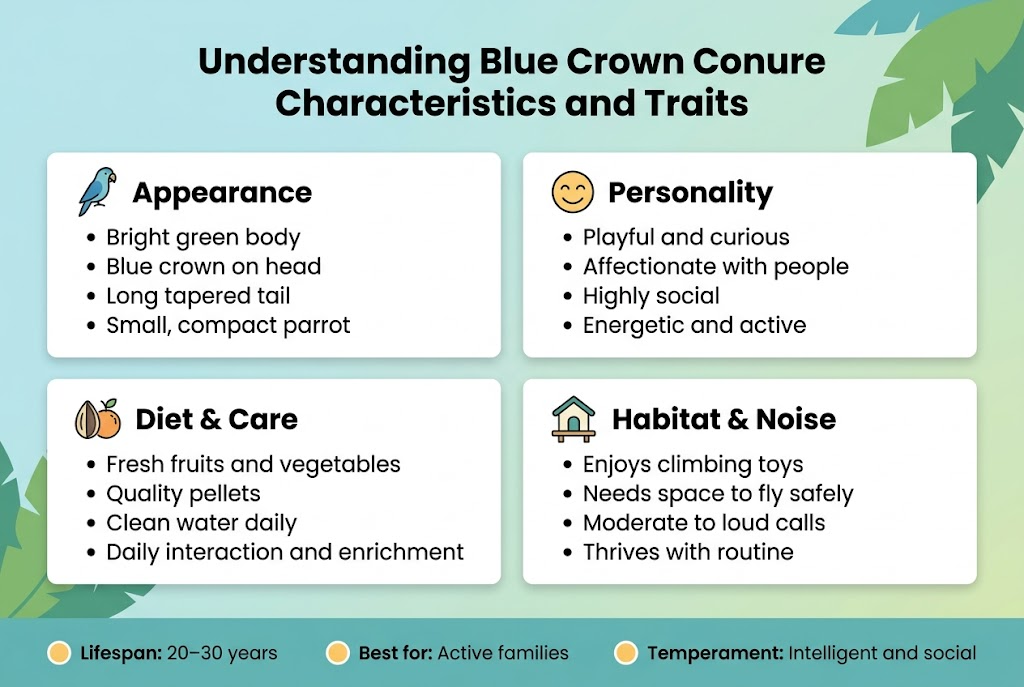
Blue Crown Conure are truly stunning birds that capture attention with their vibrant coloration. The most striking feature is their brilliant blue crown that extends from the forehead to the back of the head, creating a beautiful contrast against their predominantly green plumage. This blue coloring isn’t just a simple wash of color – it’s a deep, rich azure that can appear almost iridescent in proper lighting.
Their body displays a gorgeous emerald green that covers most of their wings, back, and chest areas. The flight feathers showcase darker blues and blacks, while their tail feathers present a beautiful blend of blue and green hues. Many Blue Crown Conures also feature subtle orange or yellow patches on their underwing coverts, which become visible during flight or when they stretch their wings.
The beak is dark gray to black and perfectly sized for their seed-cracking needs. Their eyes are typically dark brown, surrounded by a narrow ring of bare white skin that gives them an alert, intelligent expression. Their feet are grayish-pink with strong, curved talons perfect for gripping branches and toys.
Size, Weight, and Lifespan Expectations
Blue Crown Conure fall into the medium-sized parrot category, making them an excellent choice for those who want a substantial bird without the space requirements of larger species. Adult birds typically measure between 14 to 16 inches from beak to tail tip, with their tail accounting for roughly half their total length.
Weight ranges from 140 to 190 grams for healthy adult birds, with males often being slightly larger than females. This size makes them sturdy enough to handle gentle interaction while remaining manageable for most bird enthusiasts.
| Measurement | Range |
|---|---|
| Length | 14-16 inches |
| Weight | 140-190 grams |
| Wingspan | 8-10 inches |
| Lifespan | 25-30 years |
Their lifespan is quite impressive, commonly reaching 25 to 30 years with proper care. Some well-cared-for individuals have been known to live even longer, making them a long-term commitment that spans decades. This longevity means they often become true family members who grow up alongside children and remain companions well into their owner’s adult years.
Personality Traits and Temperament
Blue Crown Conure are renowned for their playful, outgoing personalities that make them exceptional companions. These birds are natural comedians who love being the center of attention and will often perform silly antics to get laughs from their human family members. They’re incredibly social creatures who thrive on interaction and can become quite bonded to their owners.
Their temperament tends to be confident and curious rather than shy or skittish. They approach new situations with enthusiasm and rarely back down from investigating something interesting. This boldness makes them excellent candidates for households with children, as they typically enjoy the activity and noise that comes with family life.
However, their social nature means they don’t do well when left alone for extended periods. They can develop behavioral issues like excessive screaming or feather plucking if they feel neglected or bored. Blue Crown Conures are also known for being somewhat moody – they might be cuddly one moment and want their space the next, which is perfectly normal behavior for this species.
These birds are naturally vocal and will “talk” throughout the day with a variety of calls, whistles, and learned words. They’re not necessarily the quietest parrots, but their vocalizations are generally considered pleasant rather than harsh or grating.
Intelligence Levels and Learning Capabilities
Blue Crown Conures possess remarkable intelligence that consistently surprises their owners. They demonstrate problem-solving abilities that rival those of much larger parrot species and can figure out puzzle toys, latches, and even simple mechanical devices with practice.
Their learning capacity extends far beyond simple trick training. Many Blue Crown Conures can learn vocabularies of 20 to 50 words, though some exceptional individuals have mastered over 100 words and phrases. They don’t just mimic sounds – they often use words in appropriate contexts, showing they understand meaning rather than just copying sounds.
These birds excel at learning:
- Complex tricks and behaviors
- Musical tunes and whistles
- Household routines and schedules
- Individual family member preferences
- Problem-solving sequences
Their intelligence also manifests in their ability to read human emotions and respond appropriately. Many owners report that their Blue Crown Conure seems to know when they’re sad or stressed and will offer comfort through gentle preening or quiet companionship.
The flip side of their intelligence is that they require mental stimulation to stay happy and healthy. Bored Blue Crown Conures can become destructive or develop unwanted behaviors. They need rotating toys, training sessions, and interactive playtime to keep their minds engaged and prevent behavioral problems from developing.
Essential Care Requirements for Blue Crown Conures
Proper Housing Setup and Cage Specifications
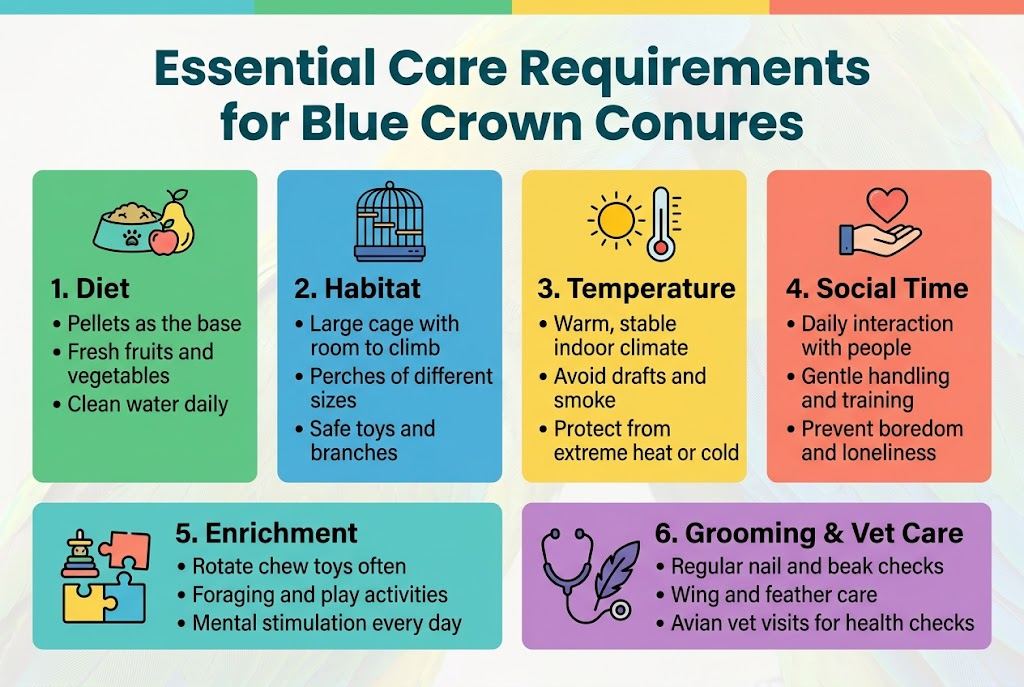
Your Blue Crown Conure needs a spacious cage that serves as their safe haven and primary living space. The minimum cage dimensions should be 24 inches wide, 36 inches long, and 48 inches tall, though bigger is always better for these active birds. Bar spacing should range between 3/4 to 1 inch to prevent escape or injury.
Choose a cage made from powder-coated steel or stainless steel, avoiding galvanized metal which can be toxic. Position multiple perches at different heights using natural branches like apple, birch, or manzanita wood. Avoid sandpaper perches as they can cause foot problems. Include at least three different perch diameters to exercise their feet properly.
Place food and water dishes away from perches to prevent contamination from droppings. Stainless steel or ceramic bowls work best since they’re easy to clean and don’t harbor bacteria like plastic can. Add enrichment items such as foraging toys, puzzle feeders, and rotating selection of safe toys to prevent boredom.
| Essential Cage Items | Purpose |
|---|---|
| Natural wood perches | Foot exercise and comfort |
| Foraging toys | Mental stimulation |
| Food/water dishes | Daily nutrition needs |
| Cuttlebone | Calcium supplementation |
| Safe chew toys | Beak maintenance |
Position the cage in a social area where your conure can interact with family members while having a quiet corner for retreat when needed.
Daily Exercise and Out-of-Cage Time Needs
Blue Crown Conure require a minimum of 3-4 hours of supervised out-of-cage time daily to maintain their physical and mental health. These intelligent birds are naturally active and need space to stretch their wings, explore, and engage with their environment.
Create a bird-safe room by removing toxic plants, covering windows and mirrors, securing electrical cords, and ensuring ceiling fans are off. Establish a routine where your conure knows when to expect their freedom time, as they thrive on predictability.
During out-of-cage sessions, provide climbing opportunities with play stands, rope perches, or bird-safe trees. Rotate toys and activities to keep things interesting – puzzle toys, foraging opportunities, and interactive games work wonderfully. Many Blue Crown Conures enjoy simple games like peek-a-boo or learning to retrieve small objects.
Flight time is crucial for these birds. If your conure is fully flighted, ensure they have adequate space for short flights between perches. For clipped birds, encourage climbing, walking, and flapping exercises to maintain muscle tone and cardiovascular health.
Grooming and Hygiene Maintenance
Regular grooming keeps your Blue Crown Conure healthy and comfortable. Most conures are excellent self-groomers, but they need your help with certain aspects of hygiene maintenance.
Bathing Requirements:
- Offer shallow water dishes 2-3 times weekly for bathing
- Some conures prefer misting with a spray bottle
- Room temperature water works best
- Never force bathing – let them choose their preferred method
Nail Care:
Trim nails every 4-6 weeks using proper bird nail clippers. Cut only the clear tip, avoiding the pink quick inside. If you’re uncomfortable doing this yourself, your avian veterinarian can handle regular trims.
Beak Maintenance:
Healthy conures naturally wear down their beaks through chewing and playing. Provide plenty of safe wood toys, cuttlebone, and mineral blocks. Only seek professional beak trimming if you notice overgrowth or abnormal shapes.
Feather Health:
Monitor for signs of feather plucking, broken feathers, or unusual molting patterns. Provide proper humidity levels (50-60%) and ensure your bird gets adequate sleep in a quiet, dark environment for 10-12 hours nightly.
Regular wing clipping decisions depend on your lifestyle and safety considerations. Consult with an experienced avian veterinarian to determine what’s best for your specific situation and living environment.
Optimal Nutrition and Feeding Guidelines
Balanced Diet Composition and Essential Nutrients
Blue crown conure need a diverse, well-rounded diet that mimics their natural eating patterns in the wild. The foundation should be high-quality pellets, making up about 60-70% of their daily intake. These pellets provide essential vitamins, minerals, and balanced nutrition that seeds alone can’t offer.
Fresh fruits and vegetables should comprise 25-30% of their diet, offering natural enzymes, antioxidants, and variety. Seeds and nuts can make up the remaining 5-10%, serving as healthy treats rather than dietary staples. Your conure needs adequate protein (12-14%), healthy fats, complex carbohydrates, and fiber for optimal digestion.
Key nutrients include vitamin A for eye health and immune function, calcium for strong bones and egg production, and vitamin D3 for calcium absorption. B vitamins support nervous system function, while vitamin C boosts immunity. Omega-3 fatty acids promote healthy feathers and skin.
Safe Fruits, Vegetables, and Treats to Offer
Blue crown conure enjoy a wide variety of fresh produce that keeps them mentally stimulated and nutritionally satisfied. Dark leafy greens like kale, spinach, and Swiss chard provide excellent vitamin A sources. Broccoli, carrots, sweet potatoes, and bell peppers offer additional vitamins and natural sweetness. Feeding Pet Conures
Safe fruits include apples (remove seeds), berries, grapes, melons, and citrus fruits in moderation. Tropical fruits like mango, papaya, and kiwi are excellent choices that many conures love. Always wash produce thoroughly and offer organic when possible.
| Vegetables | Fruits | Healthy Treats |
|---|---|---|
| Broccoli, carrots, corn | Apples, berries, grapes | Whole grain crackers |
| Leafy greens, peppers | Melons, citrus, tropical | Cooked quinoa, brown rice |
| Squash, sweet potato | Pomegranate, cherries | Unsalted nuts (limited) |
Rotate offerings daily to prevent boredom and ensure varied nutrition. Introduce new foods gradually, as conures can be hesitant about unfamiliar items.
Foods to Avoid and Potential Dietary Dangers
Several common foods pose serious health risks to blue crown conures and should never be offered. Avocado contains persin, which is toxic to birds and can cause respiratory distress, heart problems, and death. Chocolate contains theobromine and caffeine, both dangerous stimulants that birds cannot process.
Other dangerous foods include:
- Caffeine and alcohol – Can cause hyperactivity, heart problems, and organ failure
- Salt and high-sodium foods – Lead to kidney damage and electrolyte imbalances
- Onions and garlic – Cause anemia and digestive issues
- Fruit pits and apple seeds – Contain cyanide compounds
- Mushrooms – Many varieties are toxic to birds
- High-fat foods – Fried items, butter, and fatty meats cause obesity and liver problems
Artificial sweeteners, especially xylitol, are extremely dangerous. Even small amounts can cause rapid blood sugar drops and liver failure. Moldy or spoiled food should never be offered, as birds are highly sensitive to mycotoxins.
Feeding Schedules and Portion Control
Establishing consistent feeding routines helps maintain your conure’s health and creates predictable daily structure. Offer fresh pellets in the morning, removing any uneaten portion after 12 hours to prevent spoilage. Fresh fruits and vegetables should be provided twice daily – morning and late afternoon – and removed within 2-4 hours to prevent bacterial growth.
A typical daily portion for an adult blue crown conure includes:
- Pellets: 1-2 tablespoons (main diet)
- Fresh produce: 1-2 tablespoons mixed fruits and vegetables
- Treats: 1 teaspoon seeds/nuts maximum
Monitor your bird’s weight regularly, as conures can quickly become overweight or underweight. Healthy adult blue crown conures typically weigh 140-190 grams. Adjust portions based on activity level, age, and seasonal changes. Growing juveniles and breeding females need increased portions, while older or less active birds may need reduced amounts.
Fresh water should be available constantly, changed daily or whenever soiled. Use stainless steel or ceramic bowls rather than plastic, which can harbor bacteria and develop scratches where germs hide.
Training and Socialization Techniques
Basic Command Training Methods
Blue crown conure respond exceptionally well to positive reinforcement training. Start with simple commands like “step up” and “step down” using a consistent voice tone and hand gestures. Hold a wooden perch or your finger slightly above their feet while saying “step up,” rewarding immediately with a small treat when they comply. Practice these commands for 10-15 minutes daily during times when your bird appears most alert and engaged.
Target training works wonderfully with these intelligent parrots. Use a chopstick or target stick, touching it to your bird’s beak while saying “touch.” When they make contact, offer praise and a favorite treat. This foundation skill makes teaching more complex behaviors much easier down the road.
Consistency remains absolutely crucial. All family members should use identical commands and hand signals to avoid confusing your conure. Keep training sessions short and end on a positive note before your bird loses interest.
Speech and Vocalization Development
Blue crown conure possess remarkable vocal abilities, though individual birds vary significantly in their talking potential. Start speech training when your bird is young, typically around 4-6 months old, as this represents their optimal learning window.
Choose simple words or phrases and repeat them frequently throughout daily interactions. Words like “hello,” “good morning,” and your bird’s name work well as starting points. Speak clearly and with enthusiasm – conures often mimic the emotional tone along with the words.
Many blue crown conures excel at learning whistles, songs, and environmental sounds before mastering actual speech. Don’t get discouraged if your bird prefers these vocalizations over words. Some conures become excellent mimics of household sounds like phone rings, microwave beeps, or door bells.
Create a rich vocal environment by talking to your bird regularly, playing music, and exposing them to various sounds. Avoid repeating words or phrases you don’t want to hear constantly, as conures often latch onto the most unexpected vocalizations.
Bite Prevention and Behavioral Correction
Understanding your blue crown conure’s body language prevents most biting incidents. Watch for warning signs like pinning eyes, raised head feathers, lunging motions, or aggressive posturing. When you notice these signals, give your bird space rather than forcing interaction.
Stick training provides an excellent alternative for handling situations where your bird appears agitated. Train your conure to step onto a wooden perch instead of your hand when they seem stressed or overstimulated. This protects both you and your bird while maintaining trust in your relationship.
Never punish biting with yelling, hitting, or aggressive responses. Instead, use the “earthquake” method – gently shake the perch or surface they’re standing on while calmly saying “no bite.” This disrupts their behavior without creating fear or aggression.
Identify and eliminate bite triggers in your bird’s environment. Common causes include territorial behavior around their cage, hormonal responses during breeding season, or fear-based reactions to new objects or people.
Social Interaction with Family Members
Blue crown conures naturally form strong bonds with their human flock, but proper socialization ensures they remain friendly with all family members. Encourage different people to feed, train, and interact with your bird from an early age.
Rotate who handles daily care tasks like feeding, cage cleaning, and play time. This prevents your conure from becoming overly bonded to just one person, which often leads to aggressive behavior toward others.
Teach children appropriate interaction techniques, including gentle handling, quiet voices around the bird, and recognizing when the conure needs space. Supervise all interactions between young children and your bird to ensure safety for both.
Gradual exposure to visitors helps your conure become comfortable with strangers. Start by having guests simply sit near the cage and talk softly, gradually increasing interaction as your bird shows comfort and curiosity.
Mental Stimulation Activities and Enrichment
Blue crown conures require extensive mental stimulation to prevent destructive behaviors and maintain psychological health. Rotate toys weekly to maintain novelty and interest. Puzzle toys that hide treats encourage natural foraging behaviors and provide hours of engagement.
| Activity Type | Examples | Benefits |
|---|---|---|
| Foraging | Paper cups with treats, cardboard boxes | Mimics wild behavior, reduces boredom |
| Puzzle Toys | Sliding blocks, rotating wheels | Develops problem-solving skills |
| Physical Challenges | Rope swings, climbing structures | Promotes exercise and coordination |
| Interactive Play | Hide and seek, fetch games | Strengthens human-bird bond |
Create DIY enrichment using safe household items. Paper towel tubes stuffed with shredded paper, cardboard boxes with holes cut for exploration, and paper bags filled with crumpled newspaper provide inexpensive entertainment.
Establish different play areas throughout your home where your bird can safely explore under supervision. This environmental enrichment satisfies their natural curiosity and provides valuable exercise opportunities outside their cage.
Health Monitoring and Veterinary Care
Common Health Issues and Warning Signs
Blue Crown Conures face several health challenges that owners should monitor closely. Psittacine Beak and Feather Disease (PBFD) ranks among the most serious viral infections, causing feather loss, beak abnormalities, and immune system compromise. Watch for patchy feather loss, especially around the head and neck, along with abnormal beak growth or discoloration.
Respiratory infections appear frequently in these parrots, often triggered by drafts, temperature fluctuations, or poor air quality. Signs include labored breathing, tail bobbing while breathing, discharge from nostrils, and changes in vocalization. Your bird might also show decreased activity levels or fluffed feathers.
Fatty liver disease develops when birds consume high-fat diets or lack exercise. Warning signs include increased urination, swollen abdomen, and difficulty perching. The bird may also show behavioral changes like increased aggression or lethargy.
Crop stasis affects young birds particularly, where food remains in the crop instead of moving through the digestive system. Parents should watch for a persistently full crop, vomiting, or loss of appetite in hand-fed babies.
Other concerning symptoms include:
- Changes in droppings (color, consistency, frequency)
- Loss of appetite lasting more than 12 hours
- Difficulty perching or weakness in legs
- Discharge from eyes or beak
- Excessive sleeping or hiding behavior
- Self-mutilation or excessive preening
Preventive Care and Regular Check-up Schedules
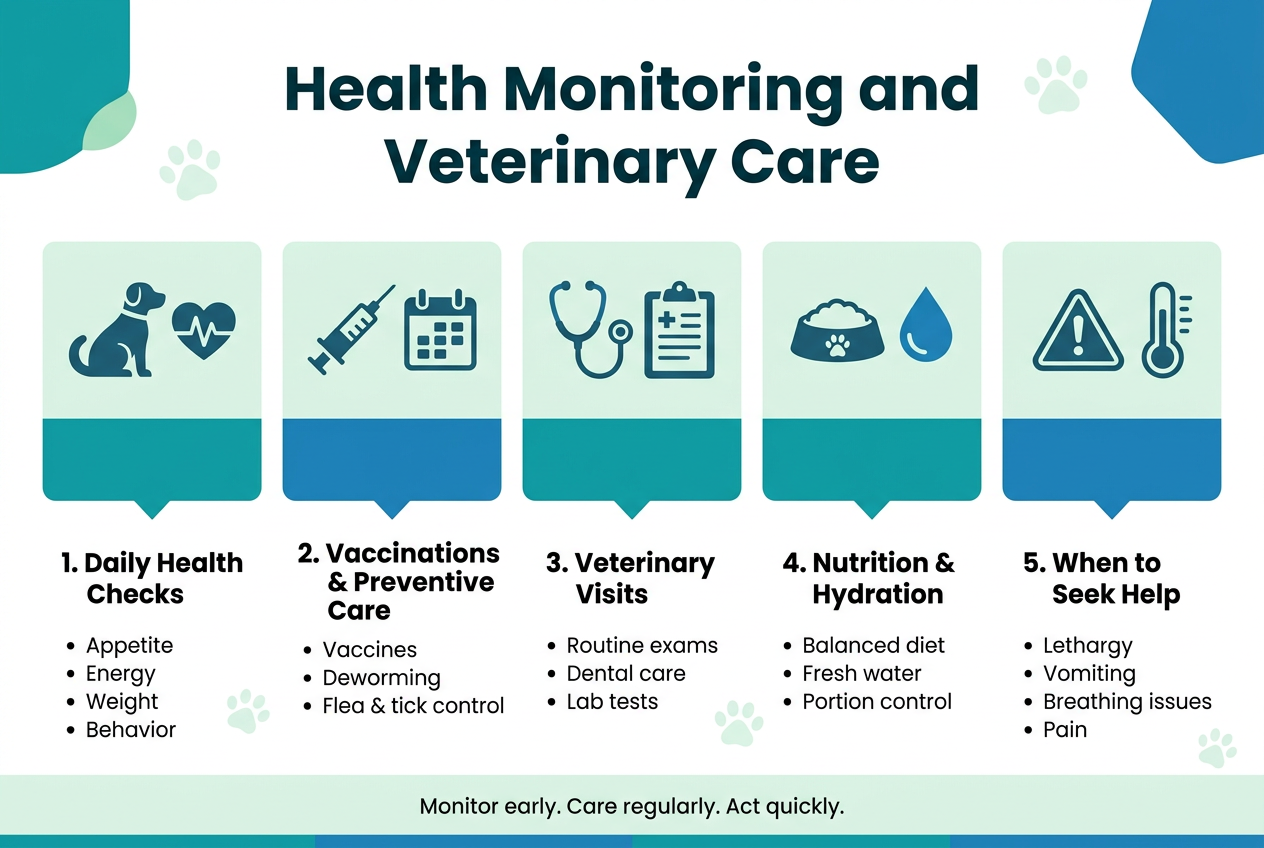
Annual veterinary examinations form the backbone of preventive healthcare for Blue Crown Conures. Birds hide illness naturally, making regular check-ups essential for early detection of problems. Schedule wellness visits every 12 months, or every 6 months for birds over 10 years old.
During wellness exams, veterinarians typically perform:
- Complete physical examination including weight assessment
- Fecal parasite screening
- Blood chemistry panels to check organ function
- Chlamydia testing when indicated
- Beak and nail trimming if needed
Maintain detailed health records including weight logs, behavioral observations, and dietary changes. Weekly weigh-ins help detect health issues early, as weight loss often signals the first sign of illness in parrots.
Environmental management plays a crucial role in disease prevention. Maintain humidity levels between 50-60%, ensure proper ventilation without drafts, and keep temperatures stable between 70-80°F. Clean food and water dishes daily, and replace perches regularly to prevent bacterial buildup.
Quarantine new birds for 30-45 days before introducing them to existing flocks. This period allows for disease screening and prevents transmission of infectious agents.
Emergency Situations and First Aid Basics
Certain situations require immediate veterinary attention and basic first aid knowledge can save your bird’s life. Bleeding emergencies top the list – apply direct pressure with clean gauze or cornstarch to minor wounds. Never use styptic powder on skin wounds, only on broken blood feathers or nails.
For broken blood feathers, grasp the feather shaft close to the skin with needle-nose pliers and pull firmly in the direction of growth. This prevents continued bleeding and pain.
Night frights cause injuries when birds thrash in their cages after being startled. Keep a small nightlight near the cage and speak calmly to your bird if this occurs. Check for injuries once the bird calms down.
Respiratory distress requires immediate action. Move the bird to a warm, humid environment (like a steamy bathroom) while arranging emergency veterinary care. Avoid handling stressed birds unnecessarily, as this can worsen their condition.
Create an emergency first aid kit containing:
- Styptic powder for nail bleeding
- Cornstarch for wound bleeding
- Clean towels for restraint
- Small transport carrier
- Emergency veterinary contact information
- Pedialyte for dehydration support
Poisoning incidents demand immediate intervention. Remove the bird from the source, provide fresh air, and contact your veterinarian or pet poison control hotline. Never induce vomiting unless specifically instructed by a professional.
Temperature extremes pose serious threats. Birds suffering from overheating need gradual cooling with room temperature water misting, while cold-stressed birds require gentle warming with heating pads set on low.
Blue Crown Conures make wonderful companions when you understand their unique needs and vibrant personalities. These intelligent parrots thrive with proper nutrition, consistent training, and plenty of social interaction. From providing a balanced diet rich in fresh fruits and vegetables to establishing daily routines that keep them mentally stimulated, every aspect of their care plays a role in their happiness and health.
Regular health checkups and staying alert to changes in behavior help catch potential issues early. Remember that these social birds need your time and attention to develop into well-adjusted pets. If you’re ready to commit to their long-term care and enjoy the rewarding experience of bonding with an intelligent feathered friend, a Blue Crown Conure could be the perfect addition to your family.
