
Baby Macaw Blue Throated

We’ll explore the blue throated macaw’s distinctive physical features that set it apart from similar species, plus dive into their natural habitat in Bolivia’s Beni region. You’ll also discover the major threats pushing these magnificent birds toward extinction and current conservation efforts working to save them.
Physical Characteristics and Identification
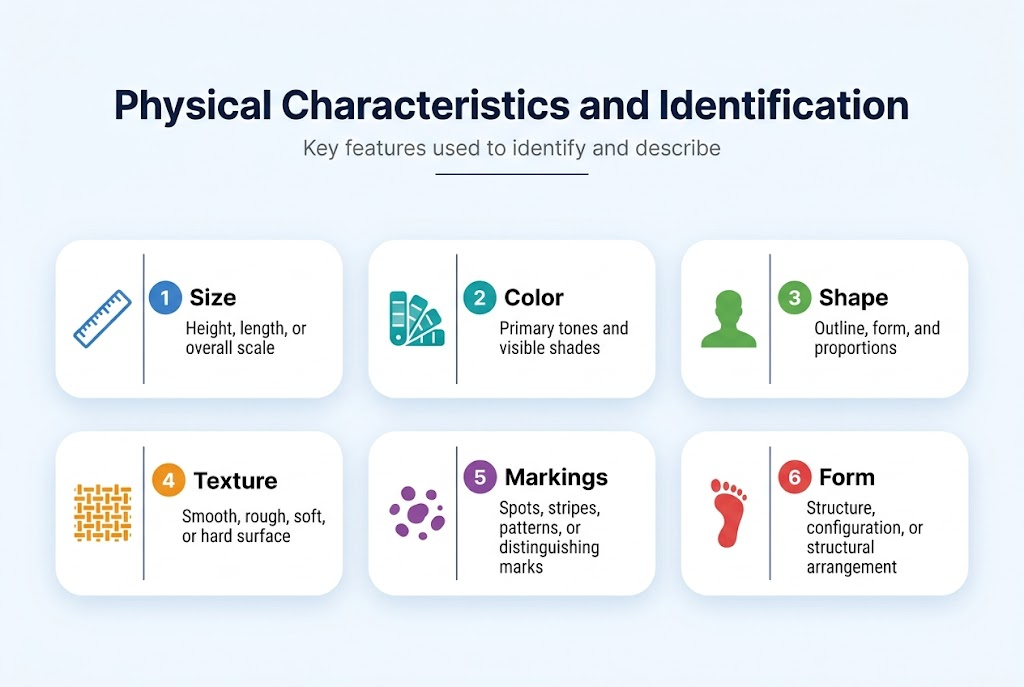
Distinctive Blue Throat and Facial Features
The Macaw Blue Throated displays one of nature’s most striking facial patterns. The vibrant cobalt blue coloring covers the bird’s throat, extending upward to frame the lower portion of the face in a distinctive U-shaped pattern. This brilliant blue contrasts beautifully with the bright yellow facial patches that surround the eyes and upper cheeks. The bare facial skin appears creamy white to pale yellow, creating a canvas for the bold blue markings that give this species its name.
Black feather lines trace delicate patterns across the white facial skin, resembling intricate tattoos. These thin black stripes run horizontally across the face, creating a unique fingerprint-like pattern that varies slightly between individuals. The powerful black beak curves dramatically, perfectly designed for cracking tough nuts and seeds found in their native habitat.
Size and Weight Specifications
Macaw Blue Throated rank among the larger parrot species, measuring between 33 to 37 inches from head to tail tip. Their impressive wingspan reaches 3 to 4 feet when fully extended, allowing for graceful flight through the forest canopy. Adult birds typically weigh between 1.5 to 2.2 pounds, with males often being slightly heavier than females.
The tail accounts for nearly half of the bird’s total length, stretching approximately 16 to 18 inches. This lengthy tail serves as both a rudder during flight and a balancing tool when climbing through tree branches. Their robust build reflects their need to crack hard palm nuts, with strong chest muscles powering their flight capabilities.
Plumage Patterns and Color Variations
The body plumage showcases a stunning gradient of blue shades. Deep turquoise covers the wings and back, transitioning to lighter azure tones along the sides. The chest and belly display warm golden-yellow coloring that intensifies during breeding season. Wing feathers show darker blue tips that create subtle striping patterns visible during flight.
Individual birds may show slight variations in color intensity, particularly in the yellow chest coloring. Some specimens display more orange-tinged yellow, while others show pure golden hues. The blue coloration can range from deep sapphire to lighter cerulean, though all maintain the characteristic throat pattern. Juvenile birds typically show duller colors that brighten significantly as they reach sexual maturity around 3-4 years of age.
Key Features That Distinguish From Other Macaw Species
Several features set Blue-throated Macaws apart from their relatives. Unlike the similar Blue-and-yellow Macaw, they lack the distinctive black throat patch and instead display their signature blue coloring. Their facial feather lines are also more pronounced and numerous compared to other macaw species.
The Macaw Blue Throated overall size places them between the larger Hyacinth Macaws and smaller species like the Military Macaw. Their tail proportions are notably different too – longer and more tapered than most other macaw species. The specific blue throat pattern never appears in any other macaw species, making identification relatively straightforward for experienced birdwatchers.
Voice patterns also differ significantly. Blue-throated Macaws produce softer, more melodic calls compared to the harsh screeches typical of other large macaws. Their flight pattern shows more direct, purposeful movement rather than the undulating flight seen in some related species.
Natural Habitat and Geographic Distribution
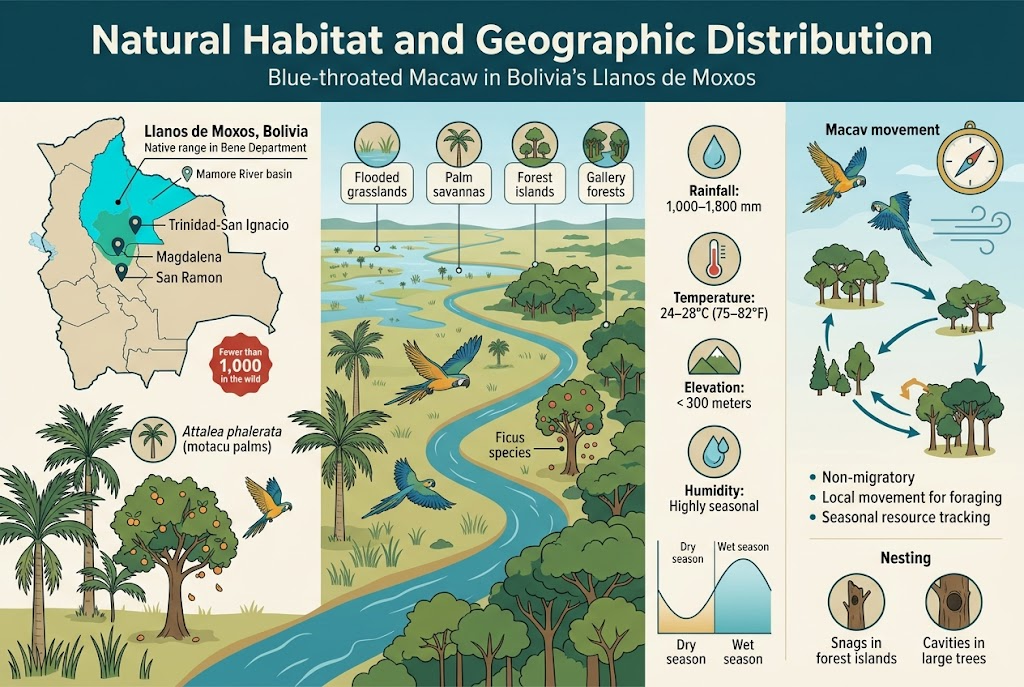
Native Range in Bolivia’s Llanos de Moxos
The Macaw Blue Throated calls a very specific corner of our planet home – the Llanos de Moxos region in north-central Bolivia. This wetland savanna ecosystem covers roughly 126,000 square kilometers in the Bene Department, stretching across what locals know as the Bolivian lowlands. Unlike many parrot species that roam across multiple countries, these stunning macaws have one of the most restricted ranges of any large parrot in South America.
The heart of their territory lies within the Mamore River basin, where scattered gallery forests create perfect nesting corridors along seasonal waterways. Most of the remaining population clusters around three main areas: the Trinidad-San Ignacio region, areas near Magdalena, and patches around San Ramon. Recent surveys suggest fewer than 1,000 individuals remain in the wild, making every pocket of suitable habitat incredibly precious.
What makes this region so special for Blue-throated Macaws comes down to its unique geography. The Llanos de Moxos sits at the transition zone between the Amazon Basin and the Chaco region, creating a mosaic of flooded grasslands, palm savannas, and isolated forest islands. This patchwork landscape provides everything these macaws need – from nesting trees to diverse food sources that change with the seasons.
Preferred Ecosystem and Environmental Conditions
Macaw Blue Throated thrive in what ecologists call a palm-dominated savanna ecosystem. They show a strong preference for areas where Attalea phalerata palms (locally known as motacu palms) create scattered groves across open grasslands. These towering palms serve dual purposes – their fruits provide essential nutrition, while their sturdy trunks offer potential nesting cavities when old enough.
The birds gravitate toward areas with specific environmental conditions that mirror their evolutionary needs. They prefer elevations between 200-400 meters above sea level, where annual rainfall ranges from 1,000 to 1,800 millimeters. The climate here brings distinct wet and dry seasons, with temperatures staying relatively stable year-round between 24-28°C (75-82°F).
Gallery forests along rivers and streams play a crucial role in their daily lives. These narrow bands of taller trees provide roosting sites, additional food sources, and protection from harsh weather. The macaws particularly favor areas where fig trees (Ficus species) grow alongside palms, creating what researchers call “supermarket trees” due to their year-round fruit production.
Water availability shapes where these birds can survive. They need reliable access to clean water sources, whether from rivers, seasonal ponds, or permanent wetlands. During the dry season, they often concentrate near the few remaining water bodies, sometimes flying considerable distances to drink and bathe.
Seasonal Migration Patterns and Territory Requirements
Macaw Blue Throated don’t migrate in the traditional sense, but they do show distinct seasonal movement patterns tied to food availability and breeding cycles. During the wet season (November to April), when the savannas flood, they spread out across their territory to take advantage of abundant palm fruits and other seasonal foods. As waters recede in the dry season, they concentrate in areas where food and water remain accessible.
Breeding pairs establish territories that can span 15-25 square kilometers, depending on habitat quality. These territories center around suitable nesting sites – typically old motacu palms or large trees in gallery forests with natural cavities or abandoned holes from other animals. Pairs often return to the same general area year after year, though they may use different specific nesting sites.
Young birds and non-breeding adults form loose flocks that roam more widely across the landscape. These groups can travel 20-30 kilometers in a single day searching for fruiting trees, following predictable routes between known food sources. They’ve developed mental maps of their territory, timing their movements to coincide with peak fruiting periods of different plant species.
Daily movement patterns reveal their territorial needs clearly. Morning flights typically cover 5-10 kilometers as flocks leave roosting sites to reach feeding areas. Evening returns follow similar distances but often take different routes, possibly as anti-predator behavior. During peak breeding season, movement becomes more restricted as pairs focus energy on raising young rather than long-distance foraging.
Conservation Status and Threats
Diet and Feeding Behaviors

Primary Food Sources and Seasonal Dietary Changes
Blue-throated macaws are primarily granivorous, with palm nuts forming the cornerstone of their diet. The Attalea phalerata palm, commonly known as motacú palm, provides the bulk of their nutritional needs throughout the year. These large, hard-shelled nuts require considerable effort to crack open, but they offer essential fatty acids and proteins crucial for the macaws’ survival.
During the dry season (May through October), blue-throated macaws focus heavily on motacú palm fruits, which become more abundant and accessible. As the wet season approaches, their diet shifts to include more diverse food sources including fruits from other palm species like Mauritia flexuosa and various fig species. Seeds from leguminous trees also become important dietary components during certain months.
Seasonal availability drives significant dietary variations. When palm fruits are scarce, these adaptable birds turn to alternative food sources including young leaves, bark, flowers, and even clay from riverbanks for essential minerals. This clay consumption, known as geophagy, helps neutralize toxins from certain plant materials and provides vital sodium and other minerals often lacking in their primary plant-based diet.
Foraging Techniques and Daily Feeding Patterns
Macaw Blue Throated exhibit remarkable foraging skills perfectly adapted to their challenging environment. Their powerful beaks work like precision tools, capable of cracking through the toughest palm shells with calculated efficiency. They use their feet as hands, manipulating food items with surprising dexterity while perched on branches.
These birds typically begin foraging shortly after sunrise, taking advantage of cooler morning temperatures. Peak feeding activity occurs during the first few hours of daylight and again in late afternoon before roosting. During midday heat, they often rest in shaded canopy areas, conserving energy for more intensive feeding periods.
Group foraging is common, with small flocks working together to locate productive feeding sites. Younger birds learn essential foraging techniques by observing adults, gradually developing the strength and skill needed to crack open the hardest nuts. They often feed at heights of 15-25 meters in the canopy, where the choicest palm fruits are typically found.
Nutritional Requirements for Optimal Health
Maintaining proper nutrition for blue-throated macaws requires understanding their complex dietary needs. Their natural diet provides approximately 20-25% fat content, primarily from palm nuts, which supports their high-energy lifestyle and helps maintain their brilliant plumage. Protein requirements range from 12-18% of their total diet, with higher needs during breeding season.
Essential fatty acids, particularly omega-3 and omega-6, play critical roles in maintaining healthy feathers, skin, and reproductive function. Vitamin A deficiency can quickly become problematic, making carotenoid-rich fruits and vegetables important dietary components. Calcium needs increase dramatically during egg-laying periods, making mineral-rich foods and clay consumption vital for breeding females.
Fresh water availability directly impacts their health and digestion. These macaws require consistent access to clean water sources, both for drinking and maintaining proper digestive function when processing their high-fiber diet. Inadequate hydration can lead to serious health complications, particularly when consuming dry seeds and nuts as primary food sources.
| Nutrient | Daily Requirement | Natural Sources |
|---|---|---|
| Fat | 20-25% of diet | Palm nuts, seeds |
| Protein | 12-18% of diet | Nuts, legumes |
| Vitamin A | Essential | Colorful fruits |
| Calcium | High during breeding | Clay, mineral deposits |
Breeding and Reproduction Cycle
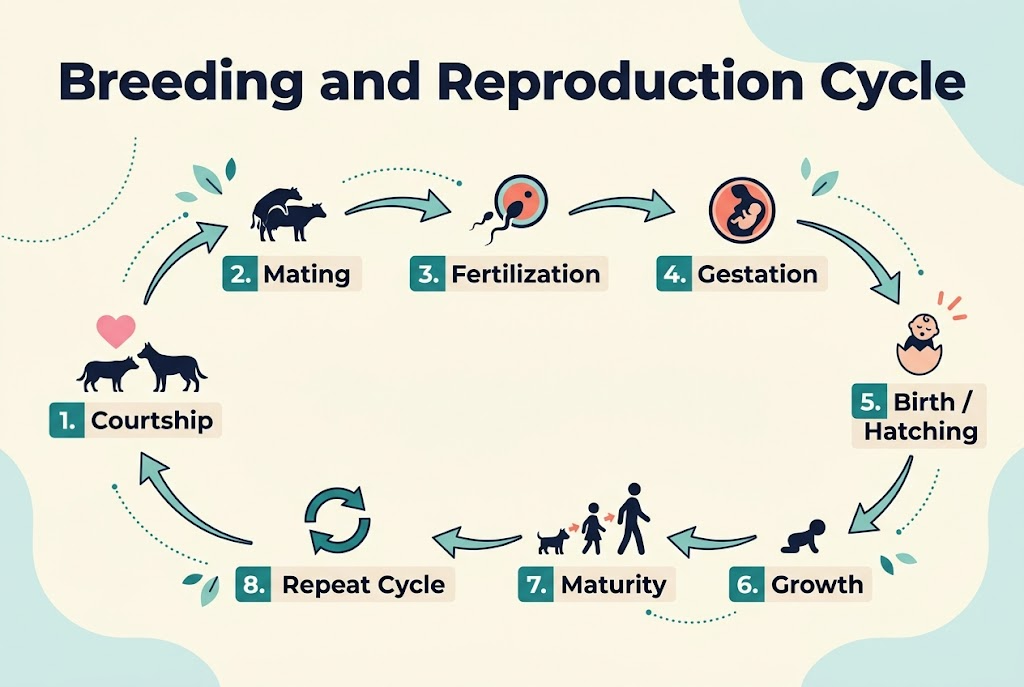
Mating Rituals and Courtship Behaviors
Blue-throated macaws engage in elaborate courtship displays that strengthen pair bonds and signal reproductive readiness. Males initiate courtship by performing exaggerated head bobs, wing spreading, and vocal demonstrations that showcase their vibrant blue throat patches.
Mutual preening plays a central role in their courtship ritual, with pairs delicately grooming each other’s head and neck feathers using their powerful beaks. This behavior not only removes parasites and debris but also reinforces their emotional connection. Pairs frequently engage in “billing,” a gentle touching of beaks that serves as both a greeting and an intimate gesture throughout their relationship.
Vocalizations become increasingly complex during courtship season, with mated pairs developing unique call patterns that distinguish them from other breeding pairs. These vocal exchanges often occur at dawn and dusk, creating a symphony of sounds across their territory that helps establish breeding boundaries.
Nesting Preferences and Site Selection
Blue-throated macaws demonstrate strong preferences for specific nesting environments, primarily selecting large palm trees in wetland areas. The Attalea phalerata palm, commonly known as the motacú palm, represents their preferred nesting species due to its substantial trunk diameter and natural cavity formation patterns.
These intelligent birds actively seek cavities located 8-20 meters above ground, providing protection from terrestrial predators while maintaining accessibility for the breeding pair. The entrance holes typically measure 10-15 centimeters in diameter, large enough for adult birds but small enough to deter larger predators and competing species.
Nest site fidelity runs strong among established pairs, with many returning to the same cavity for multiple breeding seasons. However, they will abandon sites that become compromised by human activity or natural disasters.
Incubation Period and Chick Development
Female blue-throated macaws lay 2-4 glossy white eggs, though clutches of 2-3 eggs are most common. The incubation period spans 26-28 days, during which the female assumes primary responsibility for maintaining consistent egg temperature and humidity levels.
During incubation, males take on the critical role of provisioning their mates, making regular foraging trips to collect food while maintaining vigilant guard duties around the nest site. This division of labor ensures optimal conditions for embryo development while protecting the vulnerable nesting pair from potential threats.
Chicks hatch in an altricial state, completely dependent on parental care with closed eyes, minimal feather coverage, and limited mobility. The first few days prove critical for survival, as newly hatched chicks require frequent feeding every 2-3 hours to maintain their rapid growth rate.
Parental Care and Fledgling Success Rates
Both parents participate actively in chick rearing, though their roles shift as offspring develop. The female continues brooding duties for the first two weeks while the male increases foraging frequency to meet the growing nutritional demands of developing chicks.
Chicks remain in the nest cavity for approximately 90-100 days, during which time they develop their flight feathers and adult plumage coloration. Parent birds gradually introduce solid foods to their offspring’s diet, transitioning from regurgitated meals to whole fruits, nuts, and seeds that mirror adult dietary preferences.
Fledgling success rates in wild populations hover around 1.2-1.8 chicks per successful breeding pair, reflecting the challenges posed by predation, weather events, and habitat disturbance. Young birds remain dependent on their parents for several weeks after leaving the nest, learning essential foraging skills and social behaviors needed for survival.
Breeding Season Timing and Frequency
The breeding season for blue-throated macaws aligns with the dry season in their native Bolivian range, typically occurring from May through September. This timing coincides with peak food availability and optimal weather conditions for successful reproduction.
Established pairs breed annually under favorable conditions, though environmental stressors such as drought or habitat destruction can cause breeding delays or complete reproductive failure. Young birds reach sexual maturity between 4-6 years of age, with first-time breeders often experiencing lower success rates compared to experienced pairs.
Climate variations significantly impact breeding timing, with extended wet seasons potentially delaying nest initiation by several weeks.

The blue-throated macaw stands out as one of South America’s most striking yet vulnerable parrots.
With fewer than 500 birds left in the wild, every blue-throated macaw matters. Habitat loss and illegal pet trade continue to threaten their survival, making conservation efforts more critical than ever. If you’re passionate about wildlife preservation, consider supporting organizations working to protect these magnificent birds and their remaining habitat. The future of the blue-throated macaw depends on our actions today.
