Grey African Parrot for Sale
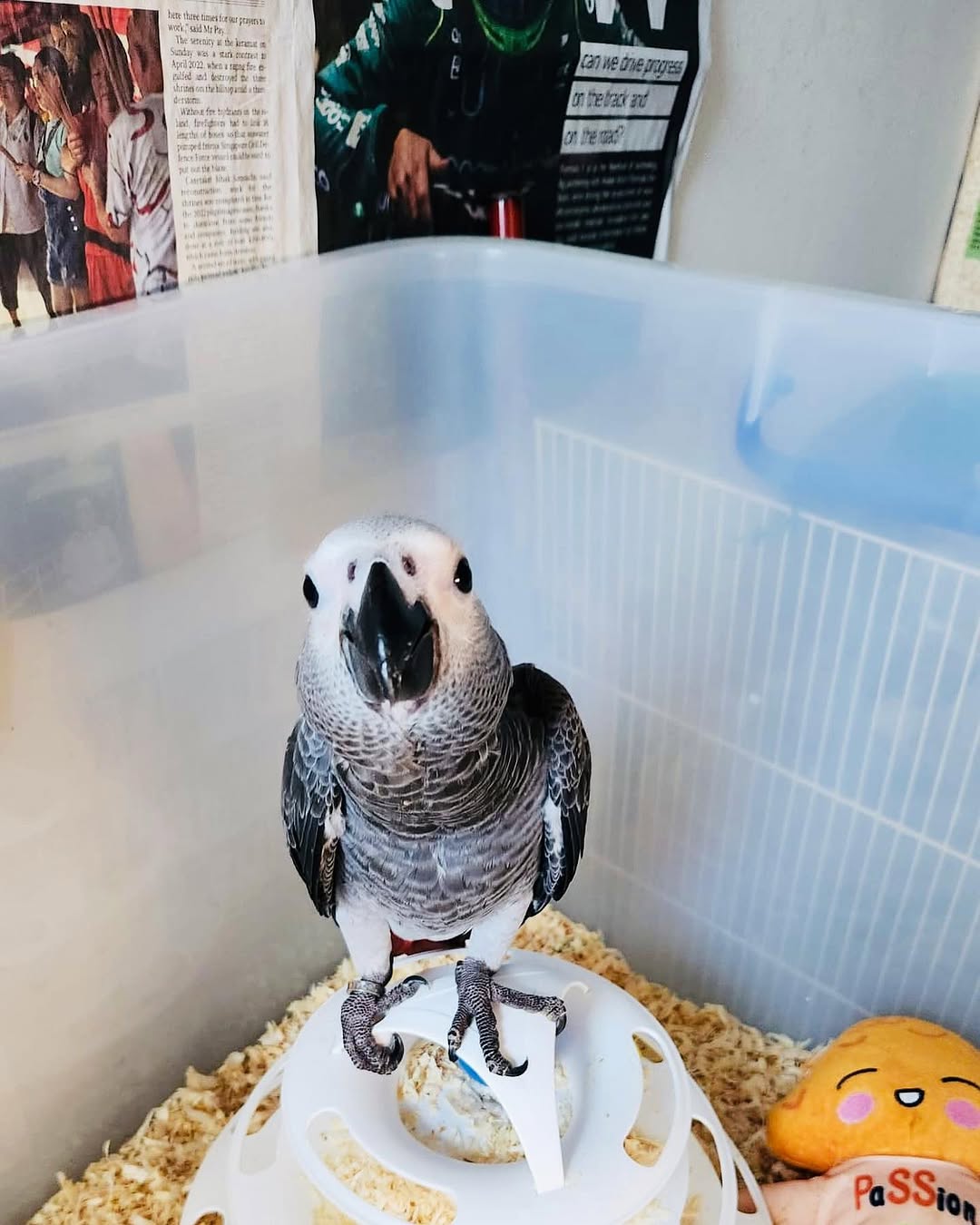
Baby Grey African Parrot for Sale
Grey African Parrot for Sale are some of the most intelligent and captivating companion birds you can welcome into your home. These remarkable birds are known for their incredible ability to mimic speech, solve problems, and form deep bonds with their owners.
This guide is designed for prospective bird owners, current parrot parents, and anyone curious about what makes these feathered friends so special. Whether you’re considering adding an African grey to your family or want to better understand the one you already have, you’ll find practical insights here.
We’ll explore the unique characteristics and personality traits that make African greys stand out from other parrots. You’ll also discover how to create the ideal living environment that keeps these smart birds happy and mentally stimulated. Finally, we’ll cover the essential training techniques that help African greys become well-adjusted, social companions who can thrive in a home setting.
Grey African for Sale Understanding Characteristics and Traits

Grey African Parrot for Sale Recognizing Physical Features and Size Variations
African Grey Parrot for Sale come in two main species that differ in appearance and size. The Congo African Grey is the larger variety, measuring 12-14 inches in length and weighing between 400-650 grams. These birds display a beautiful silver-grey plumage with bright red tail feathers and striking black beaks. Their eyes start as dark grey in young birds and gradually transform to a pale yellow as they mature.
The Timneh African Grey is smaller, reaching 9-11 inches and weighing 275-375 grams. They have darker grey feathers with a maroon-colored tail instead of bright red. Their upper mandible features a distinctive horn-colored marking that sets them apart from their Congo cousins.
Both species share similar body proportions with broad, rounded heads and strong, curved beaks perfect for cracking nuts and seeds. Their zygodactyl feet (two toes forward, two backward) provide excellent gripping ability for climbing and manipulating objects. Males typically appear slightly larger with broader heads, though visual sexing remains unreliable without DNA testing.
Grey African Parrot for Sale Identifying Intelligence Levels and Cognitive Abilities
African Greys possess remarkable cognitive abilities that rival those of a 5-year-old human child. Their problem-solving skills extend beyond simple mimicry to include understanding concepts like same/different, bigger/smaller, and basic counting up to six or seven items.
These birds demonstrate impressive memory retention, often learning hundreds of words and phrases throughout their lifetime. They show contextual understanding, using specific words appropriately rather than randomly repeating sounds. Many African Greys learn to associate words with actions, objects, or emotions, creating meaningful conversations with their owners.
Their analytical thinking shines through puzzle-solving activities and tool use. In the wild, they’ve been observed using sticks to extract insects and manipulating objects to reach food sources. This translates to captive birds who can master complex toys, open cage latches, and even learn simple tricks through positive reinforcement.
Social intelligence ranks equally high, as these birds read human body language and vocal tones effectively. They often develop preferences for specific family members and can become territorial or jealous when attention shifts away from them.
Grey African Parrot for Sale Understanding Lifespan and Maturity Timeline
African Greys enjoy remarkably long lifespans, typically living 50-80 years in captivity with proper care. Some documented cases show birds reaching over 90 years old, making them true lifetime companions that may outlive their original owners.
Sexual maturity arrives between 4-6 years of age, though some birds may not reach breeding condition until 7-10 years old. During this period, hormonal changes can affect behavior, leading to increased aggression, territorial tendencies, or destructive behaviors.
The first year involves rapid physical development as flight feathers grow and motor skills develop. Young birds spend considerable time learning through play and exploration. Years 2-4 represent the “teenage” phase where personality traits solidify and behavioral patterns establish themselves.
Adult birds (5+ years) typically display more stable temperaments but require consistent mental stimulation to prevent boredom-related problems. Senior birds (20+ years) may experience slower movements and potential health issues but often maintain their cognitive sharpness throughout their golden years.
Learning About Natural Habitat and Wild Behavior
Wild African Greys inhabit the dense rainforests of West and Central Africa, ranging from Guinea to Kenya and south to Angola. They prefer primary forest canopies but also venture into forest edges, clearings, and cultivated areas when food sources become available.
These highly social birds travel in flocks of 10-30 individuals, though larger congregations of several hundred may gather at roosting sites or abundant food sources. Their daily routine involves morning flights to feeding areas, followed by afternoon returns to traditional roosting trees.
Natural diet consists primarily of oil palm fruits, seeds, nuts, berries, and leafy vegetation. They also consume clay from riverbanks, which provides essential minerals and helps neutralize toxins from certain plants. This clay-eating behavior, called geophagy, plays a crucial role in their digestive health.
Communication in wild flocks involves complex vocalizations including contact calls, alarm signals, and location announcements. These vocalizations vary between different geographical populations, suggesting regional “dialects” develop within separate communities. Their natural wariness makes them excellent sentinel species, with designated lookouts alerting flocks to potential predators like hawks, eagles, and monkeys.
Human encroachment and habitat destruction pose significant threats to wild populations, making captive breeding programs increasingly important for species conservation.
Choosing the Right Grey African Parrot for Your Home

Evaluating Different Subspecies and Their Differences
African Grey Parrot for Sale come in two main subspecies, each with distinct characteristics that can influence your choice. The Congo African Grey is the larger of the two, standing about 12-13 inches tall with bright red tail feathers and a striking black beak. These birds typically weigh between 400-650 grams and are known for their exceptional talking ability and intelligence.
The Timneh African Grey is smaller, measuring around 9-10 inches with a darker, maroon-colored tail and a horn-colored upper mandible. They usually weigh between 275-375 grams and tend to mature faster than their Congo cousins, often starting to talk at an earlier age. Timneh greys are generally considered slightly less demanding and may adapt more easily to new environments.
Both subspecies share remarkable intelligence and can live 50-80 years with proper care. Congo greys often command higher prices due to their size and traditional popularity, while Timnehs are sometimes preferred by first-time parrot owners for their slightly more manageable temperament.
Finding Reputable Breeders and Adoption Centers
Locating a trustworthy source for your African Grey requires careful research and patience. Reputable breeders will welcome visits to their facilities, provide health certificates, and offer ongoing support. They should be knowledgeable about genetics, hand-feeding techniques, and early socialization practices.
Look for breeders who:
- Maintain clean, spacious aviaries
- Provide detailed health records and veterinary care documentation
- Allow you to meet the parent birds
- Offer a health guarantee period
- Provide guidance on care and training
Adoption centers and parrot rescues offer another excellent option, often housing birds that need second homes due to owner circumstances rather than behavioral issues. These organizations typically conduct thorough screening processes and provide valuable information about each bird’s history and personality.
Avoid pet stores that cannot provide breeding information or health documentation. Online purchases should be approached with extreme caution, as reputable sources will always encourage in-person meetings before finalizing any arrangement.
Assessing Your Living Space and Lifestyle Compatibility
African Grey Parrot for Sale need substantial space and mental stimulation to thrive. Your home should accommodate a large cage (minimum 36″ x 24″ x 48″) plus additional play areas where your bird can exercise and explore safely. These intelligent creatures require several hours of out-of-cage time daily.
Consider your household’s noise tolerance – African Greys can be quite vocal, especially during dawn and dusk periods. They also produce feather dust that may affect family members with allergies or respiratory sensitivities. The location of the cage matters significantly; birds need social interaction but also quiet spaces for rest.
Your daily schedule plays a huge role in compatibility. African Greys are highly social and can develop behavioral problems without adequate interaction. If you work long hours or travel frequently, this may not be the right pet choice. These birds thrive on routine and consistency, becoming stressed with frequent changes in their environment or schedule.
Family dynamics matter too. African Greys often bond strongly with one person, which can create challenges in multi-person households. Young children may find these birds overwhelming, as greys can be nippy and require gentle, patient handling.
Understanding Initial Investment and Ongoing Costs
The financial commitment for an African Grey extends far beyond the initial purchase price. Hand-fed babies from reputable breeders typically cost $1,200-$3,000, while adoption fees range from $300-$800. However, the initial bird cost represents just the beginning of your investment.
Essential startup equipment includes:
| Item | Cost Range |
|---|---|
| Quality cage | $400-$800 |
| Perches and toys | $150-$300 |
| Food and water dishes | $50-$100 |
| Travel carrier | $100-$200 |
| Initial vet exam | $150-$300 |
Monthly ongoing expenses add up quickly. High-quality pellets, fresh fruits, vegetables, and nuts cost approximately $30-$50 monthly. Toys need regular replacement due to destruction and safety concerns, adding another $20-$40 monthly. Annual veterinary checkups with an avian specialist typically run $200-$400, not including emergency visits or specialized treatments.
Long-term costs include potential boarding fees during vacations ($25-$50 daily), cage upgrades as birds mature, and emergency medical care that can easily reach thousands of dollars. Over a lifetime spanning 50-80 years, total ownership costs often exceed $50,000-$100,000, making African Greys one of the most expensive pet commitments you can make.
Creating the Perfect Environment for Your African Grey

Setting Up Proper Cage Size and Equipment
Your African Grey needs serious space to stretch those impressive wings and move around comfortably. The absolute minimum cage size should be 36 inches wide, 24 inches deep, and 48 inches tall, but bigger is always better. Think of it as buying a house – you want room to grow and breathe.
Bar spacing matters too. Stick to 3/4 to 1 inch spacing between bars. Too wide and your clever bird might get their head stuck; too narrow and they can’t climb properly. Choose powder-coated or stainless steel bars since African Greys are notorious for testing everything with their beaks.
Essential cage equipment includes:
- Multiple perches of varying diameters (natural wood branches work great)
- Stainless steel food and water bowls
- A sturdy play gym or climbing area
- Proper lighting setup with full-spectrum bulbs
Place the cage in a corner where your bird can see family activity but still has a secure back wall. Avoid kitchens due to cooking fumes and direct sunlight that creates hot spots.
Choosing Safe Toys and Enrichment Activities
African Greys have the intelligence of a 5-year-old child, so boredom becomes destructive behavior quickly. Rotate 4-6 toys weekly to keep things interesting. Your bird will appreciate puzzle toys that challenge their problem-solving skills.
Safe toy materials:
- Untreated wood (apple, birch, pine)
- Natural rope (cotton or hemp)
- Stainless steel chains
- Paper and cardboard
- Leather strips
Avoid anything with zinc, lead, or small parts that could be swallowed. Bells should have clapper-free designs, and chains need welded links to prevent catching toes.
Enrichment activities that work:
| Activity Type | Examples | Benefits |
|---|---|---|
| Foraging | Hidden treats in paper cups | Mental stimulation |
| Puzzle Toys | Sliding doors, rotating wheels | Problem-solving skills |
| Shredding | Cardboard boxes, paper bags | Natural behavior outlet |
| Interactive | Talking toys, mirrors (supervised) | Social engagement |
Create foraging opportunities by hiding pellets inside toilet paper tubes or wrapping treats in newspaper. African Greys love unwrapping presents just like kids do.
Maintaining Optimal Temperature and Humidity Levels
African Greys come from tropical climates, so getting the environment right prevents health problems and keeps your bird comfortable year-round.
Target temperature should stay between 65-80°F (18-27°C). Sudden temperature changes stress these sensitive birds, so avoid placing cages near air conditioning vents, heating units, or drafty windows. Use a reliable thermometer to monitor conditions.
Humidity levels need to stay around 50-60%. Dry indoor air, especially during winter months, can cause respiratory issues and make your bird’s skin itchy. Simple solutions include:
- Running a humidifier near the cage
- Misting your bird lightly with warm water 2-3 times weekly
- Placing a shallow water dish for bathing
- Adding live, bird-safe plants nearby
Watch for signs your bird is too cold: fluffed feathers, one foot tucked up, or sitting at the bottom of the cage. Overheating shows as panting, wings held away from the body, or seeking shade.
Room lighting should follow natural day/night cycles. African Greys need 10-12 hours of uninterrupted darkness for proper rest. Cover the cage with a breathable cloth or move them to a quiet, dark room for sleeping.
Feeding Your African Grey Parrot for Optimal Health

Providing Balanced Pellet-Based Diet Foundation
High-quality pellets should make up about 70-80% of your African Grey’s daily diet. These specially formulated foods contain the right balance of proteins, carbohydrates, vitamins, and minerals your bird needs to thrive. Look for pellets that list whole grains and natural ingredients as the first components, avoiding those with artificial colors or excessive sugars.
The best pellets for African Greys are medium to large-sized, organic varieties that don’t contain preservatives like BHA or BHT. Popular brands like Harrison’s, Roudybush, and Zupreem offer excellent options specifically designed for large parrots. Switch gradually from seeds to pellets over 2-3 weeks if your bird isn’t already eating them, mixing increasing amounts of pellets with decreasing amounts of their current food.
Store pellets in a cool, dry place and replace them every few months to maintain freshness. Never leave pellets in the cage for more than 24 hours, as they can spoil and harbor bacteria.
Incorporating Fresh Fruits and Vegetables Safely
Fresh produce should account for 20-25% of your African Grey’s diet, providing essential nutrients and mental stimulation. Offer a colorful variety including leafy greens like kale, spinach, and romaine lettuce, along with orange vegetables such as carrots, sweet potatoes, and squash.
Safe fruits include apples (remove seeds), berries, grapes, pomegranate, and papaya. Chop produce into appropriately sized pieces – about the size of your bird’s beak works well. Introduce new foods gradually, as African Greys can be hesitant about unfamiliar items.
| Safe Vegetables | Safe Fruits | Preparation Tips |
|---|---|---|
| Broccoli, Bell peppers | Apples, Berries | Wash thoroughly |
| Carrots, Sweet potato | Grapes, Mango | Cut into small pieces |
| Leafy greens | Pomegranate | Remove seeds/pits |
Always wash produce thoroughly and remove any pesticide residues. Organic options are preferable when possible. Remove uneaten fresh foods within 2-4 hours to prevent spoilage.
Avoiding Toxic Foods That Harm Parrots
African Greys have sensitive digestive systems, making certain common foods extremely dangerous or even fatal. Never offer chocolate, caffeine, alcohol, or foods containing xylitol (sugar substitute). Avocado contains persin, which is toxic to parrots and can cause heart failure.
Other dangerous items include:
- Raw onions and garlic
- Fruit pits and apple seeds (contain cyanide)
- Mushrooms (wild varieties especially)
- High-salt foods like chips or crackers
- Teflon cookware fumes
- Dairy products (parrots are lactose intolerant)
Even foods that seem healthy can be problematic. Raw beans contain lectins that are toxic, while high-fat foods like nuts should be limited to occasional treats. Sprouted beans are safe, but dried beans must be thoroughly cooked first.
Keep a list of dangerous foods posted in your kitchen as a reminder, and educate family members about these restrictions. When in doubt about a particular food, research it thoroughly or consult your avian veterinarian.
Establishing Proper Feeding Schedules and Portions
Adult African Greys typically need about 1/4 to 1/3 cup of pellets daily, divided into morning and evening meals. Adjust portions based on your bird’s size, activity level, and body condition. A healthy weight for most African Greys ranges from 400-650 grams.
Feed fresh foods in the morning when your bird is most active and hungry. This encourages them to try new items rather than filling up on familiar pellets first. Remove fresh foods after 3-4 hours to prevent bacterial growth.
Daily Feeding Schedule:
- 7:00 AM – Fresh vegetables and fruits
- 8:00 AM – Morning pellet portion
- 11:00 AM – Remove fresh foods
- 6:00 PM – Evening pellet portion
- 8:00 PM – Small healthy snack if needed
Monitor your bird’s eating habits daily. African Greys are good at hiding illness, but changes in appetite often signal health problems. Weigh your bird weekly using a gram scale to track any significant weight loss or gain.
Provide fresh, clean water daily in a stainless steel or ceramic bowl. Some birds prefer moving water from fountains or drippers, which can encourage better hydration.
Training and Socializing Your African Grey Successfully

Building Trust Through Positive Interaction Methods
African Grey Parrot for Sale are incredibly intelligent birds that can live up to 80 years, making trust-building a long-term investment. Start by moving slowly around your bird and speaking in calm, gentle tones. Avoid sudden movements or loud noises that might startle them.
Offer treats through the cage bars without forcing interaction. Sunflower seeds, almonds, or small pieces of apple work well as trust-building treats. Let your Grey approach you at their own pace rather than reaching into their space immediately.
Consistency is key – spend time near their cage daily, reading aloud or simply talking. Many African Greys respond well to routine, so try to interact at the same times each day. When your bird shows interest by moving closer or vocalizing, reward this behavior with praise or treats.
Never force handling or use punishment-based methods. African Greys have excellent memories and will remember negative experiences for years. Instead, use positive reinforcement to encourage desired behaviors and ignore unwanted ones.
Teaching Basic Commands and Tricks Effectively
Start with simple commands like “step up” and “step down.” Hold a wooden perch or your finger near their feet while saying the command. When they step up, immediately reward with praise and a small treat. Practice these basic commands for 5-10 minutes daily.
Teaching tricks builds mental stimulation and strengthens your bond. Try these beginner tricks:
- Wave: Gently lift their foot while saying “wave,” then reward
- Turn around: Use a treat to guide them in a circle while saying “turn”
- Shake hands: Offer your finger for them to grab with their foot
Break training sessions into short 10-15 minute intervals to prevent frustration. African Greys can become overwhelmed with lengthy sessions. Always end on a positive note with a successful command or trick.
Use clicker training for precise timing. The click marks the exact moment your Grey performs the desired behavior, making learning more efficient. Pair each click with an immediate reward.
Managing Behavioral Issues and Aggression
African Greys can develop behavioral problems when stressed, bored, or feeling threatened. Common issues include screaming, biting, feather plucking, and territorial aggression. Understanding the root cause is essential for addressing these behaviors.
Screaming often indicates attention-seeking, fear, or excitement. Don’t shout back or give attention during screaming episodes. Instead, ignore the behavior and reward quiet moments with attention and treats.
Biting usually stems from fear, territorial behavior, or overstimulation. Watch for warning signs like pinned eyes, raised head feathers, or lunging postures. Give your bird space when showing these signals and never reach into their territory when they’re agitated.
Feather plucking can indicate medical issues, stress, or boredom. Provide plenty of foraging opportunities, rotate toys regularly, and ensure your Grey gets 10-12 hours of uninterrupted sleep nightly. Consult an avian veterinarian to rule out medical causes.
Create a predictable environment with consistent routines. African Greys thrive on structure and can become anxious when their schedule changes dramatically.
Developing Speech and Vocalization Skills
African Grey Parrot for Sale are among the most talented talking birds, but speech development requires patience and consistent practice. Start talking to your Grey from day one, even if they don’t respond immediately. They’re always listening and learning.
Speak clearly and repeat words or phrases multiple times throughout the day. Simple words like “hello,” “goodbye,” and your bird’s name are good starting points. Use these words in context – say “hello” when you enter the room and “goodbye” when leaving.
Your Grey will likely start with whistles, clicks, or household sounds before attempting words. Encourage all vocalizations with enthusiasm and treats. Many African Greys enjoy mimicking phone rings, microwaves, and doorbells before mastering human speech.
Create learning opportunities by:
- Playing recordings of words during quiet times
- Repeating phrases during daily activities
- Using excited, animated tones to capture attention
- Practicing the same words consistently
Some African Greys begin talking within their first year, while others may take several years to develop speech. Each bird progresses at their own pace, and some may prefer whistling or sound effects over words. Celebrate whatever vocalizations your Grey offers, as this encourages continued communication attempts.
Remember that female African Greys can be equally capable speakers as males, despite old myths suggesting otherwise. The key to successful speech development lies in consistent interaction, positive reinforcement, and creating an environment where your Grey feels comfortable expressing themselves.
Maintaining Your African Grey’s Health and Wellness

Recognizing Signs of Common Health Problems
African Grey Parrot for Sale are masters at hiding illness, a survival instinct from their wild days. Watch for subtle changes in behavior that might signal trouble brewing. A normally chatty bird becoming quiet or a social parrot suddenly withdrawing can be early warning signs.
Physical symptoms to monitor include changes in droppings – healthy droppings should have distinct white, green, and brown parts. Watery, discolored, or blood-tinged droppings need immediate attention. Respiratory issues show up as tail bobbing while breathing, open-mouth breathing, or discharge from the nostrils. Fluffed feathers that persist beyond normal preening time often indicate illness.
Watch your bird’s eating habits closely. A decrease in appetite or difficulty eating can signal crop problems or infections. Weight loss happens quickly in birds, so regular weigh-ins help catch problems early. Lethargy, loss of balance, or changes in vocalization patterns also warrant veterinary attention.
Eye problems manifest as cloudiness, discharge, or swelling around the eye area. Beak overgrowth or changes in beak color can indicate liver disease or other systemic issues. Regurgitation differs from normal feeding behavior – if your Grey is bringing up food repeatedly without the head-bobbing courtship display, this could signal crop stasis or other digestive problems.
Establishing Regular Veterinary Care Routines
Finding an avian veterinarian before you need one saves precious time during emergencies. Not all vets have experience with birds, so research certified avian specialists in your area. Your Grey should have an initial wellness exam within the first few weeks of bringing them home, then annual checkups for healthy adults.
During routine visits, your vet will perform a complete physical examination, including weight monitoring, beak and nail trimming if needed, and blood work to establish baseline values. Annual blood panels can detect early signs of liver disease, kidney problems, or infections before symptoms appear.
Keep detailed records between visits. Note changes in appetite, behavior, droppings, or physical appearance. Photos can be helpful when describing concerns to your vet. Emergency situations require immediate attention – don’t wait until morning if your bird shows signs of distress, difficulty breathing, or bleeding.
Quarantine protocols matter when introducing new birds to your household. A 45-day isolation period with separate air circulation helps prevent disease transmission. Your vet can guide you through proper quarantine procedures and testing schedules.
Build a relationship with your avian vet through regular contact. Many practices offer telephone consultations for minor concerns, and knowing your bird’s normal baseline helps them make better decisions during illness.
Preventing Feather Plucking and Self-Destructive Behaviors
Feather plucking devastates both birds and their owners, but understanding the root causes helps prevent this destructive habit. Boredom tops the list – African Greys need constant mental stimulation to match their intelligence level. Rotate toys weekly, provide foraging opportunities, and ensure your bird has productive ways to spend their time.
Environmental stressors trigger plucking behaviors. Sudden changes in routine, new household members, or relocated cages can upset sensitive Greys. Maintain consistent daily schedules for feeding, interaction, and sleep. Your bird needs 10-12 hours of uninterrupted darkness nightly to maintain hormonal balance and reduce stress.
Medical issues often underlie plucking behaviors. Skin infections, allergies, or nutritional deficiencies create discomfort that leads to over-preening. Rule out physical causes before addressing behavioral aspects. Dry air, particularly during winter months, irritates skin and encourages excessive preening.
Social needs play a huge role in preventing destructive behaviors. African Greys bond intensely with their flock – whether human or avian. Lonely birds develop behavioral problems including plucking, screaming, and aggression. Ensure adequate social interaction through training sessions, shared meals, and simply being present in the same room.
Create enriching environments that encourage natural behaviors. Provide safe branches for chewing, puzzle toys that require problem-solving, and foraging opportunities that mimic wild feeding patterns. The goal is keeping your Grey’s brilliant mind occupied with positive activities rather than destructive habits.

African Grey Parrot for Sale make incredible companions when you understand their unique needs and commit to proper care. These intelligent birds require a carefully planned environment, nutritious diet, consistent training, and regular health monitoring to thrive in your home. Choosing the right bird and setting up their space correctly from the start will save you headaches down the road.
Remember that owning an African Grey is a long-term commitment that can span decades. These parrots need daily interaction, mental stimulation, and lots of patience as they learn and grow with your family. If you’re ready to invest the time and energy, you’ll be rewarded with a loyal, talkative friend who will bring joy and laughter to your home for years to come.


Rosalee A –
Our African Grey Parrot is incredibly intelligent and has already started learning new words and sounds. Moreover, the bird arrived healthy, friendly, and well-socialized. Its curious personality and ability to interact with the family make it a wonderful companion. We are extremely satisfied with our experience.
Michael G –
We couldn’t be happier with our African Grey Parrot. In addition, the bird adapted quickly to its new home and formed a strong bond with our family. Its gentle temperament, intelligence, and playful nature bring us joy every day. The quality of care and professionalism exceeded our expectations.