
Dusky Headed Conure for Sale

Rated 5.00 out of 5 based on 2 customer ratings
(2 customer reviews)

Price range: $600.00 through $1,500.00

Dusky Headed Conure for Sale

Baby Dusky Headed Conure for Sale

introduction

Dusky Headed Conure for Sale The dusky headed conure is a charming and intelligent parrot species that’s capturing the hearts of bird enthusiasts everywhere. These medium-sized parrots stand out with their distinctive grayish-brown heads and vibrant green bodies, making them both beautiful and unique companions.

This guide is perfect for current dusky headed conure owners, prospective bird parents considering this species, and anyone curious about these fascinating parrots. We’ll dive deep into what makes these birds so special, covering their unique physical traits and personality characteristics that set them apart from other conure species.

You’ll also discover how to create the ideal living environment for your feathered friend and learn about their specific dietary requirements to keep them healthy and thriving. We’ll explore effective training techniques and socialization strategies that help build a strong bond between you and your dusky headed conure, plus essential health care tips every owner should know.

Understanding the Dusky Headed Conure’s Unique Characteristics

Understanding the Dusky Headed Conure's Unique Characteristics

Distinctive Physical Features and Coloration Patterns

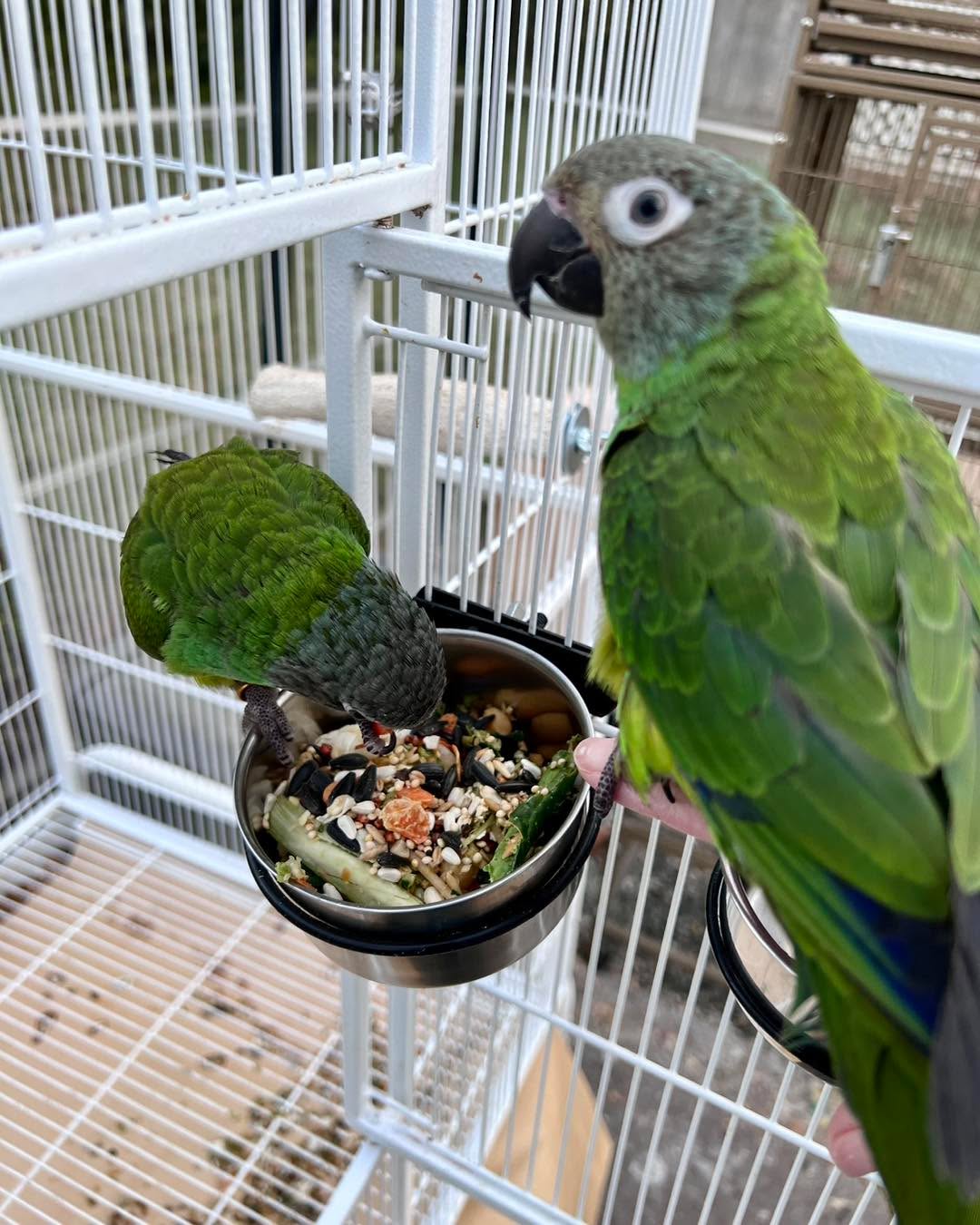
The Dusky Headed Conure for Sale stands out with its sophisticated color palette that sets it apart from their more vibrant cousins. Their head displays beautiful charcoal-gray to brownish-black plumage that gradually transitions into striking emerald-green body feathers. This distinctive “dusky” head coloring gives them their name and creates an elegant contrast that’s immediately recognizable.

Their wings showcase brilliant blue flight feathers that flash dramatically during flight, while their tail feathers present a mix of blue and green tones with darker tips. The breast area typically shows a lighter green shade compared to the back and wings. Young birds often display more muted coloring that intensifies as they mature, with the head becoming darker and more defined over their first year.

These conures have dark, intelligent eyes surrounded by a white eye-ring that becomes more prominent with age. Their curved black beak is perfectly sized for cracking seeds and exploring their environment. Unlike some conure species, Dusky Headed Conures don’t show significant sexual dimorphism, making visual gender identification nearly impossible without DNA testing or surgical sexing.

Size and Weight Specifications for Proper Care

Dusky Headed Conure for Sale are considered medium-sized parrots, typically measuring 11-12 inches (28-30 cm) from head to tail tip. Their compact build gives them a sturdy appearance while maintaining the graceful proportions characteristic of conures. Adult birds usually weigh between 90-120 grams, with individual variation depending on genetics, diet, and overall health.

MeasurementRange
Length11-12 inches (28-30 cm)
Weight90-120 grams
Wingspan18-20 inches (46-51 cm)
Tail Length4-5 inches (10-13 cm)

Their size makes them ideal for apartment living while still providing enough presence to be engaging companions. They’re smaller than larger conures like Blue-crowned or Sun Conures but bigger than the tiny Green-cheeked varieties. This middle ground means they need appropriately sized cages, perches, and toys that match their physical capabilities without being overwhelming or too small.

Behavioral Traits That Set Them Apart From Other Conures

Dusky Headed Conure for Sale possess a notably calmer temperament compared to many of their conure relatives. While they can certainly be playful and energetic, they’re generally less prone to the ear-piercing screaming sessions that some conure species are famous for. Their vocalizations tend to be more moderate, consisting of pleasant chatter, whistles, and occasional calls.

These birds show remarkable intelligence and curiosity, often spending hours investigating new toys or rearranging their cage setup. They’re natural acrobats who love hanging upside down, swinging from perches, and performing entertaining aerial maneuvers. Their playful nature makes them excellent candidates for trick training and interactive games.

Social hierarchy plays a significant role in their behavior, especially in multi-bird households. They can be somewhat territorial but generally integrate well with other birds when properly introduced. Dusky Headed Conures often form strong pair bonds and may become protective of their chosen human companion.

Their foraging instincts remain strong in captivity, driving them to shred paper, explore crevices, and hide food items. This behavior should be encouraged through environmental enrichment rather than discouraged, as it provides essential mental stimulation.

Lifespan Expectations and Aging Considerations

Dusky Headed Conure for Sale typically live 25-30 years in captivity with proper care, though some individuals have reached their mid-thirties. This substantial lifespan represents a significant commitment for potential owners and requires long-term planning for the bird’s changing needs throughout different life stages.

Young birds (0-5 years) are typically at their most active and curious phase, requiring plenty of socialization and mental stimulation. Adult birds (5-20 years) settle into more predictable routines while maintaining their playful nature. Senior birds (20+ years) may show decreased activity levels and require adjusted perching, specialized diets, and more frequent veterinary monitoring.

Age-related changes include:

  • Gradual dulling of feather colors
  • Potential arthritis affecting perching ability
  • Changes in sleep patterns
  • Possible vision or hearing decline
  • Increased susceptibility to infections

Regular health monitoring becomes increasingly important as these birds age. Weight fluctuations, changes in eating habits, or alterations in behavior patterns should prompt veterinary consultation. Many age-related conditions can be managed effectively when caught early, allowing senior Dusky Headed Conures to maintain good quality of life well into their later years.

Creating the Perfect Habitat for Your Dusky Headed Conure

Dusky Headed Conure for Sale

Optimal cage size and bar spacing requirements

Your dusky headed conure needs plenty of room to stretch, flap, and move around comfortably. The absolute minimum cage size should be 24″ wide x 24″ deep x 30″ high, but bigger is always better. These active birds really shine in cages that are at least 32″ wide x 23″ deep x 39″ high or larger. The key is width and depth over height since conures prefer horizontal movement.

Bar spacing matters more than you might think. Stick to 5/8″ to 3/4″ spacing between bars. Too wide and your bird could get their head stuck, too narrow and they can’t climb properly. Horizontal bars work best for climbing, though many cages come with a mix of horizontal and vertical bars.

Choose powder-coated or stainless steel cages over galvanized ones. Zinc and lead can poison your bird if they chew on treated bars. Make sure any cage you pick has multiple access doors – at least one large front door and preferably side doors too. This makes cleaning and interaction much easier.

Essential perches and enrichment accessories

Natural wood perches beat plastic ones every time. Apple, willow, birch, and manzanita branches provide different textures and diameters that keep your conure’s feet healthy. Mix perch sizes from 1/2″ to 1″ diameter so their feet get a good workout and don’t develop pressure sores.

Rope perches add variety but check them regularly for fraying. Replace them when they start looking worn since loose fibers can cause crop impaction if swallowed.

Your conure’s brain needs constant stimulation. Foraging toys that hide treats make them work for food like they would in the wild. Puzzle toys, shreddable toys made from palm leaves or paper, and rotating toy selection prevent boredom. Swings and ladders add movement options.

Food and water dishes should be stainless steel or ceramic. Position them away from perches to prevent contamination. Having backup dishes makes daily cleaning easier.

Temperature and humidity control needs

Dusky Headed Conure for Sale come from South American climates and do best between 65-80°F. They can handle slight temperature drops at night but avoid sudden changes. Keep them away from drafts, air conditioning vents, and heating sources.

Humidity should stay between 50-60%. Dry indoor air can cause respiratory issues and make their skin itchy. Simple solutions include placing a humidifier near their cage or misting them lightly with clean water a few times per week. Many conures love shower time and will happily perch on a shower rod while you run warm water.

Monitor temperature with a reliable thermometer placed at perch level, not just room temperature. Digital models with minimum/maximum readings help track overnight changes.

Safe placement locations within your home

Your conure’s cage location affects their comfort and your relationship with them. Place the cage against a wall so they feel secure with their back protected. This reduces stress and helps them feel like part of your family rather than exposed prey.

Living rooms or family rooms work well since conures are social and want to be where the action is. Avoid kitchens due to cooking fumes, especially from non-stick pans which release deadly fumes. Bedrooms can work if you don’t mind early morning chatter.

Natural light matters but avoid direct sunlight that can overheat the cage. A spot near a window with filtered light keeps them connected to natural day/night cycles. Make sure they get 10-12 hours of darkness for proper sleep.

Keep the cage away from ceiling fans, which can injure flying birds, and televisions or stereos that might be too stimulating. The ideal height puts their perches at or slightly above your eye level, making them feel confident without being dominant.

Nutritional Needs for Optimal Health and Longevity

Dusky Headed Conure for Sale

Balanced pellet diet foundations

High-quality pellets should make up about 75-80% of your dusky headed conure’s daily diet. Think of pellets as the nutritional backbone that provides consistent vitamins, minerals, and balanced nutrition your bird needs every single day. Choose pellets specifically formulated for medium-sized parrots, avoiding generic bird food or seed-only mixtures.

Look for pellets that list whole grains, vegetables, and fruits as primary ingredients rather than fillers like corn or wheat. Organic options often provide superior nutrition without artificial colors or preservatives that can stress your bird’s digestive system. The pellet size should match your conure’s beak – too large and they’ll struggle to eat properly, too small and they might not feel satisfied.

Fresh pellets matter more than you might think. Store them in airtight containers away from heat and humidity, replacing your supply every six months maximum. Stale pellets lose nutritional value and can develop harmful bacteria or mold that puts your bird’s health at risk.

Transition gradually if switching pellet brands. Mix small amounts of the new pellets with the familiar ones over 7-10 days, slowly increasing the ratio. This prevents digestive upset and helps your conure accept the change without stress.

Fresh fruits and vegetables that boost immunity

Fresh produce should comprise 15-20% of your dusky headed conure’s diet, providing essential antioxidants, fiber, and natural enzymes that support immune function and overall vitality. Dark leafy greens like kale, spinach, and Swiss chard pack powerful nutrients that help fight disease and maintain vibrant feather quality.

Colorful vegetables offer different benefits – orange vegetables like carrots and sweet potatoes provide beta-carotene for healthy vision and skin, while red bell peppers deliver vitamin C that strengthens immune responses. Broccoli, cauliflower, and Brussels sprouts contain compounds that support liver detoxification.

For fruits, berries rank among the best choices. Blueberries, blackberries, and raspberries burst with antioxidants that protect cells from damage. Apples (remove seeds), grapes, and pomegranate seeds provide natural sugars and vitamins without overwhelming your bird’s system.

Prepare fresh foods properly by washing thoroughly and cutting into appropriate sizes. Rotate offerings daily to prevent boredom and ensure varied nutrition. Remove uneaten fresh foods within 2-4 hours to prevent bacterial growth, especially in warm weather.

Some conures show initial hesitation toward new foods. Place small pieces near familiar foods or hang vegetables from cage bars to encourage natural foraging behaviors that make eating more engaging.

Foods to avoid that can harm your bird

Several common foods pose serious health risks to dusky headed conures and should never be offered under any circumstances. Chocolate contains theobromine, which birds cannot metabolize properly, leading to seizures, heart problems, and potential death even in small amounts.

Avocado contains persin, a compound that causes respiratory distress and heart failure in birds. Every part of the avocado – flesh, pit, skin, and even the tree leaves – contains this deadly toxin.

Caffeine from coffee, tea, or soda can cause hyperactivity, increased heart rate, and cardiac arrest in birds. Their small body size makes them extremely sensitive to stimulants that humans tolerate easily.

Salt and high-sodium foods like chips, crackers, or processed meats can cause excessive thirst, kidney damage, and death. Birds need only tiny amounts of sodium, far less than what’s found in human snack foods.

Other dangerous items include:

  • Raw or cooked onions and garlic (cause anemia)
  • Fruit pits and apple seeds (contain cyanide compounds)
  • Mushrooms (many varieties are toxic)
  • Alcohol (even tiny amounts can be fatal)
  • Sugar-free products containing xylitol (causes liver failure)

Always research new foods before offering them. When in doubt, stick to bird-safe options rather than risking your conure’s health with questionable items.

Building Strong Social Bonds and Training Success

Building Strong Social Bonds and Training Success

Daily Interaction Requirements for Mental Stimulation

Dusky Headed Conure for Sale thrive on at least 3-4 hours of direct interaction with their human companions each day. These intelligent birds need mental challenges to prevent boredom and destructive behaviors. Start your morning routine by greeting your conure enthusiastically – they recognize and respond to consistent daily patterns.

Create interactive play sessions using puzzle toys, foraging activities, and rotation of different objects to explore. Hide treats inside paper cups, wrap food in paper towels, or use specialized foraging toys to engage their natural instincts. Change the location of perches and toys weekly to maintain novelty.

Verbal interaction plays a crucial role in their development. Talk to your conure throughout the day, repeating their name and simple phrases. Many dusky headed conures become excellent talkers when exposed to regular conversation. Reading aloud, singing, or playing music also provides valuable auditory stimulation.

Physical contact strengthens your bond significantly. Most conures enjoy gentle head scratches around their neck and behind their ears. Watch their body language – relaxed posture and slow eye blinks indicate contentment, while fluffed feathers or backing away means they need space.

Effective Positive Reinforcement Training Techniques

Positive reinforcement transforms training sessions into enjoyable bonding experiences. Use small, high-value treats like sunflower seeds, millet, or tiny pieces of fruit as immediate rewards. Timing is everything – deliver treats within 2-3 seconds of the desired behavior to create clear associations.

Start with basic commands like “step up” and “step down.” Hold your finger near their feet and say “step up” gently. When they comply, immediately reward with a treat and praise. Practice these commands daily in short 10-15 minute sessions to avoid overwhelming your bird.

Target training works exceptionally well with dusky headed conures. Use a chopstick or wooden dowel as a target stick. When your bird touches the stick with their beak, reward immediately. This technique forms the foundation for more complex tricks and behaviors.

Training CommandDurationFrequencySuccess Rate
Step Up/Down5-10 minutes2-3 times daily90%+ within 2 weeks
Target Training10-15 minutesOnce daily80%+ within 1 week
Recall Training15-20 minutesOnce daily70%+ within 4 weeks

Never use punishment or negative reinforcement. Yelling, hitting, or isolating your conure damages trust and can create fear-based behavioral problems. Stay patient and consistent – some birds learn faster than others.

Addressing Common Behavioral Challenges

Screaming represents the most frequent challenge with dusky headed conures. These birds naturally vocalize at dawn and dusk, but excessive screaming often indicates unmet needs. Identify triggers like hunger, boredom, or attention-seeking. Ignore screaming episodes completely – any response reinforces the behavior.

Provide structured “screaming time” during natural calling periods. Allow 10-15 minutes of loud vocalizations in the morning and evening, then redirect to quieter activities. Reward quiet behavior with attention and treats.

Biting usually stems from fear, territorial behavior, or overstimulation. Watch for warning signs like pinned eyes, raised feathers, or lunging postures. Give your bird space when displaying these signals. Never force interaction when they’re agitated.

Feather plucking requires immediate attention and often indicates stress, medical issues, or environmental problems. Examine their diet, sleep schedule, social interaction levels, and cage setup. Increase environmental enrichment and consider consulting an avian veterinarian to rule out underlying health conditions.

Territorial aggression around their cage is natural but manageable. Train your conure to step up away from their cage area. Use perches or training stands in neutral locations for interaction sessions.

Introducing Your Conure to Family Members and Guests

Gradual introductions prevent stress and build positive associations with new people. Start by having family members sit quietly near your bird’s cage, allowing observation without forced interaction. Let your conure approach at their own pace over several days or weeks.

Each family member should establish their own relationship through consistent daily interactions. Have them offer treats, talk softly, and participate in training sessions. Avoid passing your bird between people during initial introductions – this can create anxiety.

Children need special guidance around conures. Teach them to move slowly, speak quietly, and wait for the bird to show interest before attempting contact. Supervise all interactions between children under 12 and your conure.

Guest introductions require extra caution. Inform visitors about appropriate behavior around your bird – no sudden movements, loud voices, or reaching into the cage. Keep initial visits short and positive.

Some conures develop strong preferences for specific family members. This behavior is normal but can create jealousy issues. Encourage the “non-favorite” person to be the primary food provider and trainer during problem periods. Consistency and patience usually resolve favoritism over time.

Create a “safe space” protocol for overwhelming situations. Teach your conure a “go home” command that directs them back to their cage when stressed. This gives them control over social interactions and reduces anxiety.

Health Monitoring and Veterinary Care Essentials

Health Monitoring and Veterinary Care Essentials

Recognizing Early Warning Signs of Illness

Dusky Headed Conure for Sale are masters at hiding illness – it’s a survival instinct that makes early detection challenging but absolutely critical. Watch for subtle changes in your bird’s daily routine, as these often signal trouble before obvious symptoms appear.

Changes in appetite or eating habits are among the first red flags. Your conure might pick at food instead of eating enthusiastically, or suddenly prefer certain foods while avoiding others. Water consumption changes are equally telling – drinking significantly more or less than usual warrants immediate attention.

Behavioral shifts often precede physical symptoms. A normally social conure that becomes withdrawn, stops vocalizing, or sleeps more than usual needs evaluation. Conversely, unusual aggression or restlessness can also indicate discomfort or illness.

Physical signs to monitor include:

  • Respiratory changes: Tail bobbing with breathing, open-mouth breathing, or unusual sounds
  • Feather condition: Fluffed appearance, excessive preening, or feather plucking
  • Posture alterations: Sitting on cage bottom, inability to perch properly, or drooping wings
  • Droppings changes: Color, consistency, or frequency variations from normal patterns
  • Eye and nasal discharge: Any unusual wetness or crusting around these areas

Weight loss often occurs rapidly in small birds, making regular handling important for detecting changes in body condition. A healthy conure should feel solid and well-muscled across the chest area.

Finding Qualified Avian Veterinarians in Your Area

Start your search through the Association of Avian Veterinarians (AAV) website, which maintains a directory of certified avian practitioners nationwide.

Contact local bird clubs, rescue organizations, and pet stores that specialize in birds for recommendations. These sources often have firsthand experience with area veterinarians and can provide valuable insights about quality of care and bedside manner.

When evaluating potential veterinarians, ask about their bird experience and continuing education in avian medicine. A good avian vet should:

  • Have dedicated bird examination rooms and appropriate equipment
  • Demonstrate comfort handling conures during the initial consultation
  • Explain procedures clearly and answer questions thoroughly
  • Maintain reasonable emergency or after-hours availability
  • Show current knowledge of avian diseases and treatments

Schedule a wellness visit before problems arise to establish a relationship and baseline health records. This initial meeting allows you to assess the clinic’s bird-handling skills and your comfort level with their approach.

Geographic limitations might mean traveling farther for specialized care, but the investment in finding quality avian veterinary services pays dividends in your bird’s long-term health and your peace of mind.

Preventive Care Schedules and Routine Checkups

Annual wellness examinations form the foundation of preventive care for dusky headed conures. These checkups allow veterinarians to establish health baselines, catch developing issues early, and update vaccination schedules as needed.

During routine visits, expect comprehensive physical examinations including weight monitoring, feather condition assessment, and evaluation of eyes, ears, and respiratory system. Blood work panels help identify internal issues before symptoms appear, particularly important for detecting liver problems, infections, or nutritional deficiencies.

Recommended Annual Testing:

Test TypePurposeFrequency
Complete Blood CountDetect infections, anemiaAnnually
Blood Chemistry PanelMonitor organ functionAnnually
Fecal ExaminationCheck for parasitesAnnually or as needed
Crop CultureScreen for bacterial infectionsAs recommended

Senior conures (over 15 years) also warrant twice-yearly visits due to increased disease susceptibility.

Maintain detailed health records at home, documenting weight changes, eating habits, behavior patterns, and any concerns between visits. This information helps veterinarians track trends and make informed decisions about your bird’s care.

Emergency fund planning deserves consideration, as avian veterinary costs can escalate quickly during illness. Setting aside funds specifically for bird healthcare ensures you can provide necessary treatment without financial stress compromising medical decisions.

The Dusky Headed Conure for Sale

makes an incredible companion when you understand what they need to thrive. These intelligent birds  Their playful personalities and strong bond-forming abilities mean they’ll become deeply attached to their families, but this also means they need consistent training and mental stimulation to prevent behavioral issues.

If you’re ready to commit to their social and physical needs, a dusky headed conure will reward you with years of companionship, laughter, and those adorable head tilts that make these birds so spec


AGE

2-5 Years, 4-8months, 9- 1 Year

SEX

Female, Male, Pairs

2 reviews for Dusky Headed Conure for Sale

  1. Rated 5 out of 5

    Elton C

    Our Dusky-Headed Conure exceeded all expectations. Furthermore, the bird is intelligent, affectionate, and enjoys spending time outside the cage. It arrived in excellent health and clearly received outstanding care and socialization before coming home with us.

  2. Rated 5 out of 5

    Erick M

    We were impressed by how friendly and curious our Dusky-Headed Conure was from day one. In addition, the bird adapted quickly to its new environment and loves exploring toys and interacting with us. The entire adoption process was smooth and professional.

Add a review

Your email address will not be published. Required fields are marked *

Scroll to Top