
Description
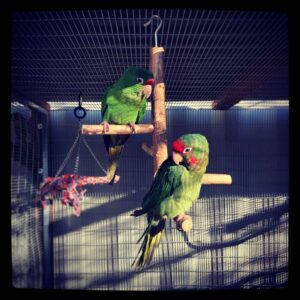
Military Macaw for Sale – Hand-Raised Female Military Macaw Available
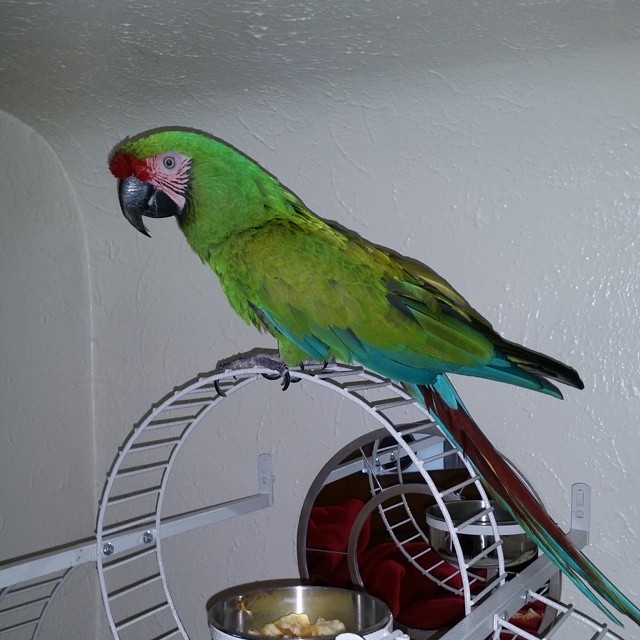
Female Military Macaw for Sale
Looking for a healthy, intelligent, and affectionate Military Macaw for sale? Our hand-raised Female Military Macaw is well-socialized, DNA-tested, and raised with exceptional care. Military Macaws are among the most admired companion parrots due to their striking green plumage, playful personalities, and strong bonds with their owners.
Native to Central and South America, Military Macaws inhabit dry forests, canyons, woodlands, and foothill regions from Mexico to Argentina. Their olive-green feathers inspired their name because they resemble traditional military uniforms. As a result, they have become one of the most recognizable large parrot species in the world.
Military Macaw Temperament and Personality
Military Macaws are intelligent, loyal, and highly social birds. Moreover, they form deep bonds with their families and enjoy daily interaction. In the wild, they live in pairs or small flocks, while in captivity they often develop a close connection with their primary caregiver.
Furthermore, these parrots thrive when exposed to different people and environments from an early age. As a result, they become confident, friendly companions that adapt well to family life. If you are interested in similar macaw species, explore our Blue-Throated Macaws for Sale and Green-Wing Macaws for Sale.
Speech and Vocalizations
Like most macaws, Military Macaws are vocal birds that communicate through calls, whistles, and sounds. Although they are generally quieter than some larger macaw species, they can still produce loud calls during the morning and evening hours.
Additionally, many Military Macaws learn words, phrases, and household sounds through repetition and positive reinforcement. Therefore, they make entertaining and interactive companions for experienced bird owners.
Colors and Appearance
Military Macaws feature beautiful green feathers with shades of olive and lime green throughout their body. In addition, they display brilliant blue flight feathers and a distinctive red patch on their forehead. Their strong black beak allows them to crack nuts and seeds with ease, while their bare facial skin gives them the classic macaw appearance.
Because males and females look nearly identical, DNA testing provides the most reliable method for determining gender.
Military Macaw Cage Requirements and Care
Military Macaws require spacious housing and daily exercise. Therefore, a large cage measuring at least 30 inches wide, 36 inches deep, and 60 inches high is recommended. Moreover, owners should provide multiple perches, climbing toys, and enrichment activities to prevent boredom.
In addition, regular out-of-cage time helps maintain both physical and mental health. For complete information about housing, training, and enrichment, visit our Military Macaw Care Guide.
Military Macaw Diet and Nutrition
In the wild, Military Macaws consume seeds, nuts, berries, fruits, and vegetation. Similarly, captive birds thrive on a balanced diet consisting of premium pellets, quality seed mixes, and fresh fruits and vegetables.
Suitable foods include apples, grapes, carrots, leafy greens, sweet potatoes, and berries. However, owners should avoid feeding avocado, chocolate, caffeine, alcohol, and rhubarb because these foods are toxic to parrots.
For additional health information, review our Parrot Health Guarantee and Veterinary Care Policy.
Military Macaw Lifespan and Health
With proper care, nutrition, and veterinary support, Military Macaws can live for several decades. Furthermore, regular health checks and mental stimulation help reduce common issues such as feather plucking, stress, and obesity.
Before bringing home a bird, we recommend reading our Bird Returns and Refund Policy and our Safe Nationwide Bird Shipping Information.
Related Macaws for Sale
If you love Military Macaws, you may also be interested in our:
- Hyacinth Macaws for Sale
- Scarlet Macaws for Sale
- Blue-Throated Macaws for Sale
- Green-Wing Macaws for Sale
- Available Parrots and Exotic Birds for Sale
Contact us today for availability, pricing, and additional information about our beautiful hand-raised Military Macaws. To learn more about Military Macaw care, nutrition, and conservation, we recommend visiting the following trusted resources: Beauty of Birds – Military Macaw Species Information
John Carver –
Lovely people, very helpful the whole way through… got a lovely healthy Military Macaw with a silly personality. Worth every penny. Kept me updated with photos and videos, overall lovely experience