
African Grey Parrots for Sale
african grey parrot for sale Finding the perfect African Grey parrot for sale requires careful research and preparation. This guide helps prospective bird owners navigate the process of bringing home one of the world’s most intelligent and rewarding companion parrots.
Who This Guide Is For:
New and experienced bird enthusiasts looking to buy African Grey parrot from reputable sources, families considering their first parrot, and anyone wanting to understand what makes these remarkable birds such special companions.
What We’ll Cover:
We’ll explore how to identify trustworthy African Grey parrot breeders who prioritize bird health and socialization. You’ll learn about essential health screening requirements, including what to look for in an African Grey parrot health certificate. Finally, we’ll discuss setting up your home environment and building a lasting relationship with your new feathered family member.
Ready to discover if an African Grey parrot is right for your family? Let’s dive into everything you need to know before making this exciting commitment.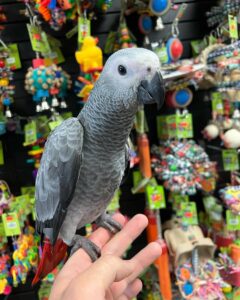
Understanding African Grey Parrots as Companions
Intelligence and Problem-Solving Abilities
African Grey parrots rank among the most intelligent bird species on the planet, with cognitive abilities that rival those of a 5-year-old child. These remarkable birds demonstrate exceptional problem-solving skills, often figuring out complex puzzles and learning to operate simple mechanisms like latches and locks. When considering an african grey parrot for sale, you’re looking at a companion that can learn hundreds of words and understand their meanings in context.
Their intelligence manifests in fascinating ways. African Greys can learn to associate specific words with objects, people, or situations. They often use language purposefully, asking for specific foods, requesting to go to certain rooms, or even expressing emotions. Many owners report their birds learning daily routines and anticipating activities like meal times or bedtime.
This high intelligence comes with significant responsibilities. These parrots need constant mental stimulation through puzzle toys, foraging activities, and regular interaction. A bored African Grey can become destructive, develop behavioral problems, or even resort to feather plucking. Their problem-solving abilities mean they’ll find creative ways to entertain themselves, which might include dismantling their cage or getting into areas of your home you never expected.
Lifespan and Long-Term Commitment Requirements
Purchasing an african grey parrot means committing to a relationship that can span 50 to 80 years. These birds often outlive their original owners, making them truly generational pets. Both Congo and Timneh African Greys share similar lifespans, with proper care being the determining factor in their longevity.
This extraordinary lifespan requires careful planning beyond the initial african grey parrot price. You’ll need to consider ongoing veterinary care, quality nutrition, and potentially making arrangements for your bird’s care in your will. Many families find themselves caring for African Greys that have been passed down through generations.
The financial commitment extends far beyond the purchase price. Annual veterinary checkups, emergency medical care, high-quality food, toys, and cage maintenance can cost thousands of dollars yearly. Baby african grey parrot for sale listings might seem affordable initially, but the lifetime cost of ownership reaches tens of thousands of dollars.
Social and Emotional Needs
African Greys are emotionally complex creatures that form deep, lasting bonds with their human families. In the wild, they live in large flocks and maintain intricate social hierarchies. As pets, they view their human family as their flock and require several hours of direct interaction daily.
These parrots are highly sensitive to changes in their environment and routine. They can develop anxiety, depression, and stress-related behaviors if their emotional needs aren’t met. Many African Greys become one-person birds, forming an intense bond with a primary caregiver while being wary or even aggressive toward others.
Their emotional intelligence means they pick up on household moods and tensions. They might become quiet during family arguments or excited when guests arrive. This sensitivity makes them wonderful companions but also means they require stable, patient owners who understand their complex emotional landscape.
Socialization must begin early, especially with hand fed african grey parrot babies. Proper socialization helps prevent fear-based behaviors and ensures your bird remains comfortable with various people, situations, and experiences throughout their long life.
Essential Factors to Consider Before Purchase
Housing Requirements and Space Needs
African grey parrots need substantial living space to thrive. A minimum cage size of 36″ x 24″ x 48″ is essential, but bigger is always better for these intelligent birds. The bar spacing should be between ¾” to 1″ to prevent escapes while allowing safe climbing. Your african grey parrot will spend considerable time in this space, so invest in a high-quality powder-coated cage that resists chipping and provides durability.
Beyond the cage, your home needs parrot-proofing. African greys are curious and destructive, capable of chewing through electrical cords, furniture, and toxic plants. Create a dedicated play area outside the cage with perches, toys, and climbing structures. This supervised out-of-cage time is crucial for their physical and mental health.
Consider the cage placement carefully. African greys prefer corners where they feel secure, with at least one wall behind them. Avoid placing cages near kitchens due to cooking fumes or high-traffic areas that create constant stress.
Daily Care and Maintenance Responsibilities
Daily care for an african grey parrot involves multiple tasks that become part of your routine. Fresh food and water must be provided daily, with bowls cleaned thoroughly to prevent bacterial growth. The cage requires spot-cleaning daily, removing uneaten food, droppings, and debris. Weekly deep cleaning includes scrubbing perches, toys, and cage bars.
These parrots generate significant dust from their powder down feathers, requiring regular vacuuming around the cage area. Air purifiers help manage this dust, which can trigger allergies in sensitive individuals. Expect to replace cage liners daily and rotate toys weekly to maintain mental stimulation.
Grooming needs include nail trims every 6-8 weeks and occasional beak maintenance. While some owners learn these skills, many prefer professional grooming services. Wing clipping decisions depend on your living situation and training goals, but require expert handling.
Financial Investment for Food, Toys, and Veterinary Care
The african grey parrot price extends far beyond the initial purchase. Monthly food costs range from $30-60, depending on the quality of pellets, fresh produce, and occasional treats you provide. High-quality pellets form the dietary foundation, supplemented with fresh vegetables, fruits, and occasional nuts.
Toy expenses can surprise new owners. African greys destroy toys regularly through their powerful beaks and need constant rotation to prevent boredom. Budget $50-100 monthly for safe, engaging toys made from bird-appropriate materials like untreated wood, leather, and natural fibers.
Veterinary care represents the largest ongoing expense. Annual check-ups with an avian vet cost $150-300, while emergency visits can reach $500-1,500. These birds hide illness well, making regular preventive care essential. Factor in potential costs for blood work, radiographs, and specialized treatments.
| Expense Category | Monthly Cost | Annual Cost |
|---|---|---|
| Quality Food | $30-60 | $360-720 |
| Toys & Enrichment | $50-100 | $600-1,200 |
| Veterinary Care | $25-50 | $300-600 |
| Total | $105-210 | $1,260-2,520 |
Time Commitment for Socialization and Training
African grey parrot care demands significant daily interaction. These social creatures need 3-4 hours of direct attention, including training sessions, playtime, and simple companionship. Morning and evening routines become particularly important as they establish security and trust.
Training sessions should occur twice daily for 10-15 minutes each. African greys learn quickly but require consistent, positive reinforcement methods. Basic commands, step-up training, and recall work form the foundation, while trick training provides mental stimulation.
Socialization extends beyond immediate family members. Regular exposure to different people, sounds, and experiences prevents fearfulness and aggression. This process begins immediately with your hand fed african grey parrot and continues throughout their 50-80 year lifespan.
Weekend time commitments often increase, with many owners dedicating 6-8 hours to their birds during days off. This investment pays dividends in creating a well-adjusted, interactive companion. Skipping socialization leads to behavioral problems including screaming, plucking, and aggression that become increasingly difficult to correct over time.
Plan for consistency even during vacations, business trips, or life changes. African greys bond strongly with their families and struggle with abandonment, making reliable care arrangements essential for their emotional wellbeing.
Finding Reputable Sellers and Breeders
Health Screening and Documentation Requirements
Preparing Your Home for Your New African Grey
Building a Strong Bond with Your New Parrot
African Grey parrots make incredible companions for the right owners, but they’re not a decision to take lightly. These intelligent birds need serious commitment, proper living conditions, and plenty of mental stimulation to thrive. Remember to research breeders carefully, ask for health certificates, and prepare your home with the right setup before bringing your feathered friend home.
The bond you’ll build with your African Grey can last decades, making all the preparation worth it. Take your time finding the right bird from a trustworthy source, and don’t rush the process. Your future parrot will thank you for doing your homework upfront, and you’ll enjoy many years of companionship with one of nature’s most remarkable birds.
