
Alexandrine Parakeet
Baby Alexandrine Parakeet
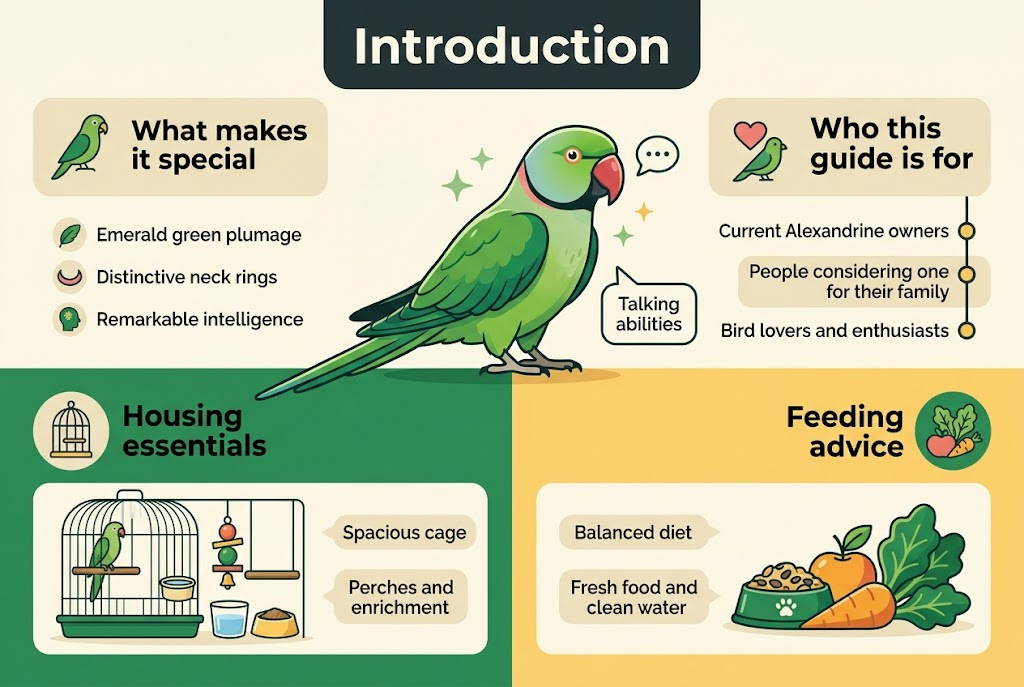
Alexandrine Parakeet stands out as one of the most striking and intelligent members of the parrot family. These magnificent birds captivate pet owners and bird enthusiasts with their emerald green plumage, distinctive neck rings, and remarkable talking abilities.
This guide is perfect for current Alexandrine owners, people considering adding one to their family, and bird lovers who want to learn about these fascinating creatures. We’ll explore what makes Alexandrine Parakeets so special and dive into their unique physical traits and personality quirks. You’ll also discover the essential housing setup they need to thrive and get practical feeding advice to keep your feathered friend healthy and happy.
Understanding the Alexandrine Parakeet’s Unique Characteristics
Distinctive Physical Features That Set Them Apart From Other Parrots
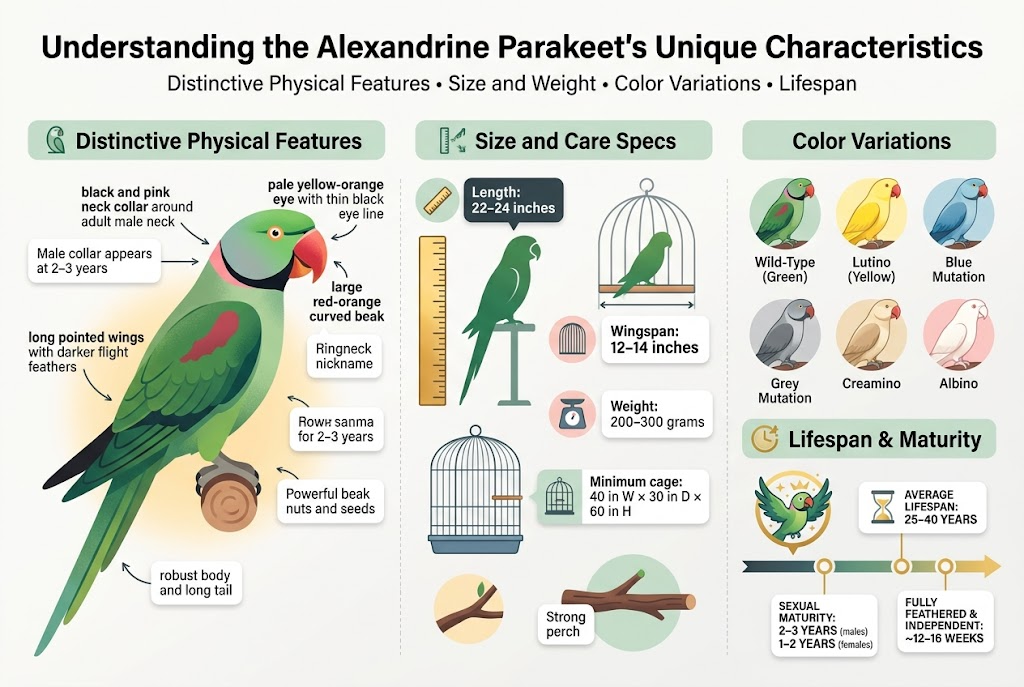
Alexandrine parakeets stand out immediately with their striking appearance and impressive size. The most recognizable feature is the distinctive black and pink collar that forms a complete ring around the neck of adult males, giving these birds their “ringneck” nickname. This collar doesn’t appear until the bird reaches sexual maturity at around 2-3 years of age, making it a reliable indicator of both gender and age.
Their beaks are notably large and powerful but not typically stronger than most cockatoos, colored in a vibrant red-orange that contrasts beautifully with their predominantly green plumage. The upper mandible curves dramatically, designed for cracking tough nuts and seeds in their natural habitat. Their eyes are pale yellow to orange, surrounded by a thin black line that creates an intelligent, alert expression.
What really sets Alexandrines apart is their robust build and confident posture. Unlike smaller parakeets, they carry themselves with a regal bearing that matches their impressive size. Their wings are long and pointed, perfect for their natural flying abilities, with darker flight feathers that create a beautiful contrast during flight.
Size and Weight Specifications for Proper Care Planning
Alexandrine parakeets are among the larger members of the parakeet family, requiring significantly more space than their smaller cousins. Adult birds typically measure 22-24 inches from head to tail, with their impressive tail feathers accounting for nearly half of their total length. This substantial size means they need spacious accommodations and stronger perching materials.
Weight ranges vary between males and females, with healthy adults weighing between 200-300 grams. Males tend to be slightly larger and heavier than females, though individual variation exists. Regular weight monitoring becomes crucial for these birds, as their size can mask health issues that might be more obvious in smaller species.
Their wingspan reaches an impressive 12-14 inches when fully extended, which directly impacts housing requirements. Minimum cage dimensions should be 40 inches wide, 30 inches deep, and 60 inches tall, though larger is always better. Bar spacing should be 3/4 to 1 inch to prevent escape while allowing for safe climbing.
Natural Color Variations and Mutations Available
The wild-type Alexandrine Parakeet displays a stunning emerald green base color that serves as the foundation for all other variations. Their natural coloring includes darker green wing coverts, blue-green flight feathers, and the characteristic maroon shoulder patches that flash brilliantly when they spread their wings.
Several established mutations have been selectively bred in captivity, each with its own unique appeal. The lutino mutation produces birds with bright yellow bodies instead of green, while maintaining the pink collar in males. Blue mutations eliminate the yellow pigment, creating birds with striking blue and white coloring that’s absolutely breathtaking.
Albino Alexandrines are completely white with red eyes, representing one of the rarer mutations. Cinnamon mutations create softer, more muted tones throughout the plumage, while pied variations display random patches of normal and mutated coloring that make each bird completely unique.
The grey mutation has gained popularity recently, producing birds with sophisticated silver-grey bodies that maintain the species’ elegant appearance while offering something completely different from the traditional green coloring.
Lifespan Expectations for Long-Term Commitment Planning
Alexandrine parakeet represent a serious long-term commitment, with proper care leading to lifespans of 25-30 years or even longer. This extended lifespan means potential owners must consider their own life circumstances for decades to come, including career changes, family additions, and retirement plans.
Their longevity stems from their robust constitution and adaptability, but achieving maximum lifespan requires consistent, high-quality care throughout their lives. Diet, exercise, mental stimulation, and regular veterinary care all play crucial roles in determining how long these magnificent birds will live.
Many Alexandrines maintain their playful, engaging personalities well into their senior years, though they may require adjusted care as they age. Senior birds might need softer perching options, modified diets, and more frequent health monitoring, but they often remain active and social companions.
Planning for their care includes considering what happens if the primary caregiver becomes unable to provide care. These birds form strong bonds and don’t adapt well to sudden changes, making succession planning an important aspect of responsible ownership.
Essential Housing and Environmental Requirements
Minimum cage size specifications for optimal comfort
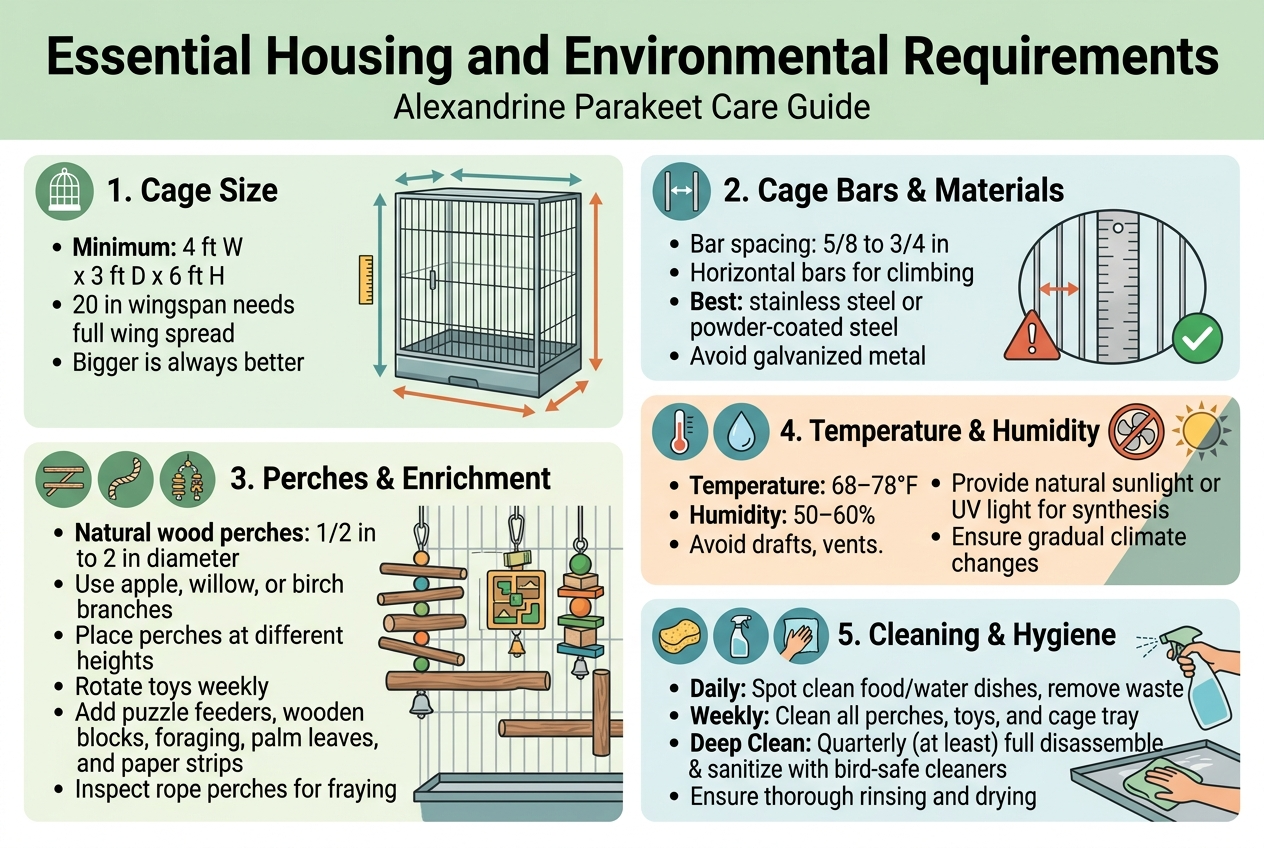
Alexandrine parakeets need spacious accommodations that reflect their active nature and impressive wingspan. The absolute minimum cage dimensions should be 4 feet wide, 3 feet deep, and 6 feet tall, though bigger is always better for these large parrots. Their wingspan can reach up to 20 inches, so they need room to spread their wings fully without touching the sides.
Bar spacing matters tremendously for safety and comfort. Choose cages with bars spaced between 5/8 to 3/4 inches apart. Wider spacing risks head entrapment, while narrower gaps can trap toes or beaks. Horizontal bars work best since these birds love to climb and explore vertically.
Stainless steel or powder-coated steel cages offer the best durability and safety. Avoid galvanized metal, which can cause zinc poisoning if your bird chews on the bars. The cage door should be large enough for you to easily reach inside and for your bird to come and go comfortably during supervised out-of-cage time.
Perching and enrichment setup for mental stimulation
Natural wood perches of varying diameters keep your Alexandrine’s feet healthy and engaged. Include branches from apple, willow, or birch trees that range from 1/2 inch to 2 inches in diameter. Different textures and sizes exercise the feet muscles and prevent pressure sores.
Position perches at different heights to create climbing opportunities. Place the highest perch away from food and water to prevent contamination. Rope perches add texture variety, but inspect them regularly for fraying that could entangle toes.
Enrichment toys should rotate weekly to maintain interest. Alexandrines love puzzle feeders, wooden blocks to chew, and foraging opportunities hidden throughout the cage. Shreddable materials like palm leaves or paper strips satisfy their natural destruction instincts. Avoid toys with small parts, zinc, or lead components that pose ingestion risks.
Temperature and humidity control for health maintenance
Alexandrine Parakeet thrive in temperatures between 68-78°F with humidity levels around 50-60%. Sudden temperature changes stress these birds and can compromise their immune systems. Keep the cage away from heating vents, air conditioning units, and drafty windows.
Room humidity often drops during winter months when heating systems run frequently. A room humidifier helps maintain proper levels, especially important for respiratory health. You can also place shallow water dishes near the cage or mist the air lightly around the cage area.
Monitor temperature with a digital thermometer placed at perch level. Night temperatures can drop 5-10 degrees safely, mimicking natural patterns. If your home gets particularly cold, a ceramic heat emitter provides gentle warmth without bright light that disrupts sleep cycles.
Safe placement locations within your home
Choose a quiet corner where your Alexandrine can observe household activity without being overwhelmed. These social birds want to feel included in family life while having a secure retreat space. Position the cage so at least one side backs against a wall, providing a sense of security.
Avoid kitchens where cooking fumes, especially from non-stick cookware, can be deadly to birds. Bathrooms with variable humidity and chemical cleaners also pose risks. Keep the cage away from televisions or stereo speakers that might stress sensitive hearing.
Natural light benefits your bird’s health, but direct sunlight streaming through windows can overheat the cage quickly. Place the cage where it receives bright, indirect light for most of the day. Easy access for daily cleaning and interaction should factor into your location choice, as these intelligent birds need regular social engagement to stay mentally healthy.
Nutritional Needs and Feeding Guidelines
Balanced Diet Composition for Optimal Health
Alexandrine Parakeet A proper diet for Alexandrine parakeets starts with high-quality pellets as the foundation, making up about 70-80% of their daily intake. These pellets provide essential vitamins, minerals, and balanced nutrition that seeds alone can’t offer. Look for pellets specifically formulated for large parakeets or medium-sized parrots, avoiding artificial colors and excessive sugar.
Seeds should only comprise 10-15% of the diet, serving as treats rather than the main course. While Alexandrines enjoy sunflower seeds and safflower seeds, these are high in fat and should be given sparingly. A quality seed mix containing millet, canary seed, and small amounts of nuts works best.
Fresh foods make up the remaining 10-20% of their diet and provide crucial nutrients that processed foods can’t match. This variety keeps your bird mentally stimulated while supporting their immune system and overall vitality.
Fresh Fruits and Vegetables That Promote Wellbeing
Alexandrine parakeets thrive on a colorful array of fresh produce. Dark leafy greens like kale, spinach, and Swiss chard pack powerful nutrients and should be offered several times weekly. Broccoli, carrots, sweet potatoes, and bell peppers provide vitamin A, which supports eye health and immune function.
Safe fruits include apples (remove seeds), berries, grapes, oranges, and bananas. Tropical fruits like mango, papaya, and kiwi are excellent choices that many Alexandrines find irresistible. Always wash produce thoroughly and remove any seeds or pits that could be toxic.
| Recommended Vegetables | Frequency | Benefits |
|---|---|---|
| Kale, Spinach | 3-4x weekly | Vitamin A, Iron |
| Broccoli, Cauliflower | 2-3x weekly | Vitamin C, Fiber |
| Carrots, Sweet Potato | 2-3x weekly | Beta-carotene |
| Bell Peppers | Daily | Vitamin C, Antioxidants |
Introduce new foods gradually and expect some initial rejection. Alexandrines can be picky eaters, but persistence pays off. Try offering new foods when your bird is hungriest, typically in the morning.
Foods to Avoid That Can Harm Your Bird
Several common foods pose serious health risks to Alexandrine parakeets. Avocado tops the danger list, containing persin, which is toxic to birds and can cause heart failure. Chocolate contains theobromine and caffeine, both potentially fatal to parrots.
Fruit pits and seeds from apples, cherries, apricots, and peaches contain cyanide compounds. Salt, sugar, and artificial sweeteners should be strictly avoided, as should caffeinated beverages and alcohol.
Never feed your Alexandrine:
- Avocado (any part)
- Chocolate or cocoa
- Fruit pits and apple seeds
- Onions and garlic
- Mushrooms
- Raw beans
- High-fat or fried foods
- Dairy products (birds are lactose intolerant)
Even foods that seem harmless can be problematic. Lettuce offers little nutritional value, while high-fat nuts like peanuts and brazil nuts should only be occasional treats due to potential aflatoxin contamination.
Feeding Schedule and Portion Control Recommendations
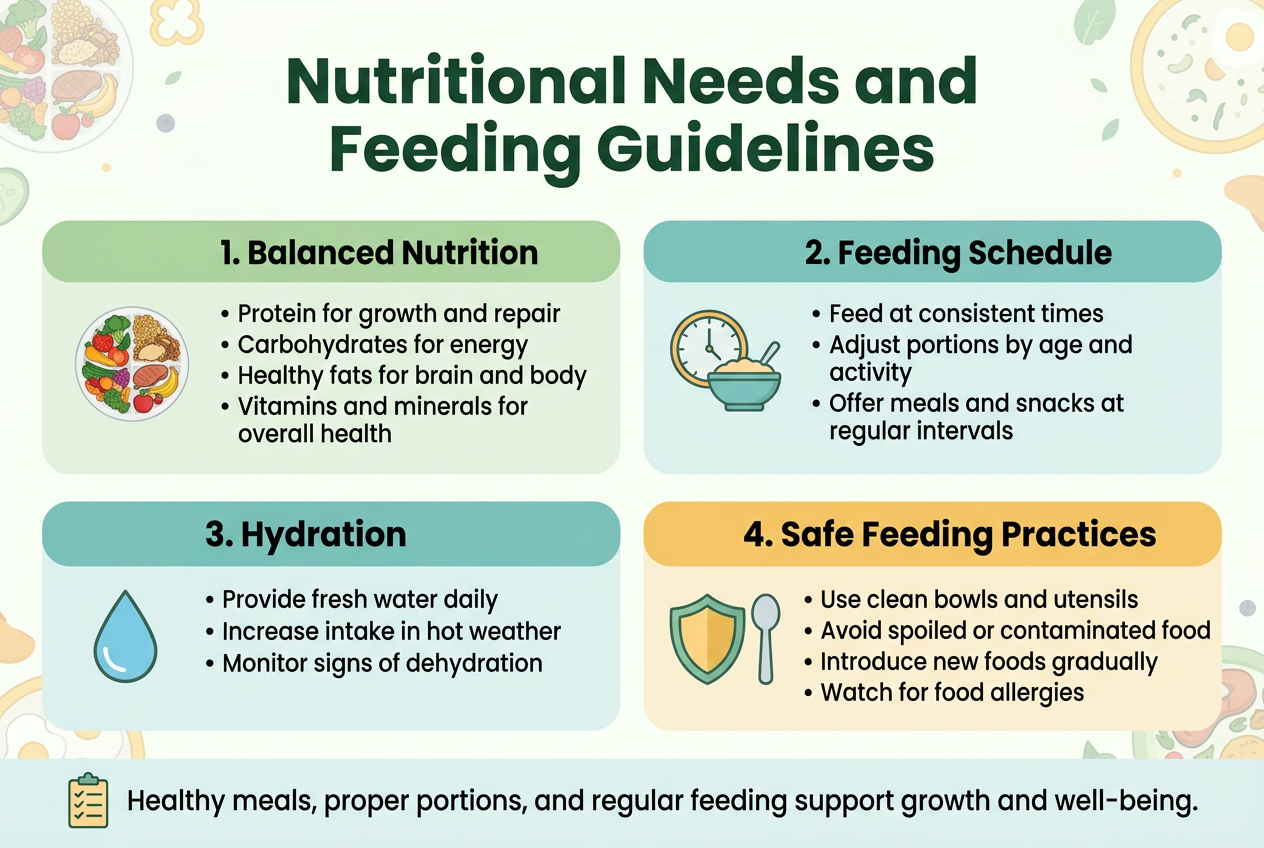
Alexandrine parakeets do best with consistent feeding times that mimic their natural foraging patterns. Offer fresh food twice daily – morning and early evening – removing uneaten fresh items after 2-4 hours to prevent spoilage.
Pellets can remain available throughout the day, but monitor consumption to prevent overeating. A typical adult Alexandrine needs about 1/4 to 1/3 cup of pellets daily, depending on their size and activity level.
Daily feeding schedule:
- Morning (7-8 AM): Fresh fruits, vegetables, and pellets
- Midday: Small healthy snacks if needed
- Evening (5-6 PM): Fresh foods and pellet top-up
- Night: Remove fresh foods, leave pellets available
Watch your bird’s body condition carefully. You should be able to feel a slight ridge along the breastbone without it being sharp or prominent. Overweight birds show rounded, full breasts, while underweight birds have very prominent breastbones.
Water Quality and Availability Requirements
Fresh, clean water must be available 24/7 in a heavy ceramic or stainless steel bowl that your Alexandrine can’t easily tip over. Change the water daily, or more frequently if it becomes contaminated with food or droppings.
Use filtered or bottled water if your tap water is heavily chlorinated or contains high mineral content. Some birds are sensitive to chemicals commonly found in municipal water supplies. Never use distilled water long-term, as it lacks beneficial minerals.
Keep water bowls away from food dishes when possible to prevent contamination. Many Alexandrines enjoy dunking their food, which quickly dirties their water supply. Having multiple water sources ensures they always have access to clean drinking water.
During molting seasons or in dry climates, consider offering a shallow dish for bathing alongside their drinking water. Proper hydration supports healthy feather development and helps regulate body temperature.
Social Behavior and Training Techniques
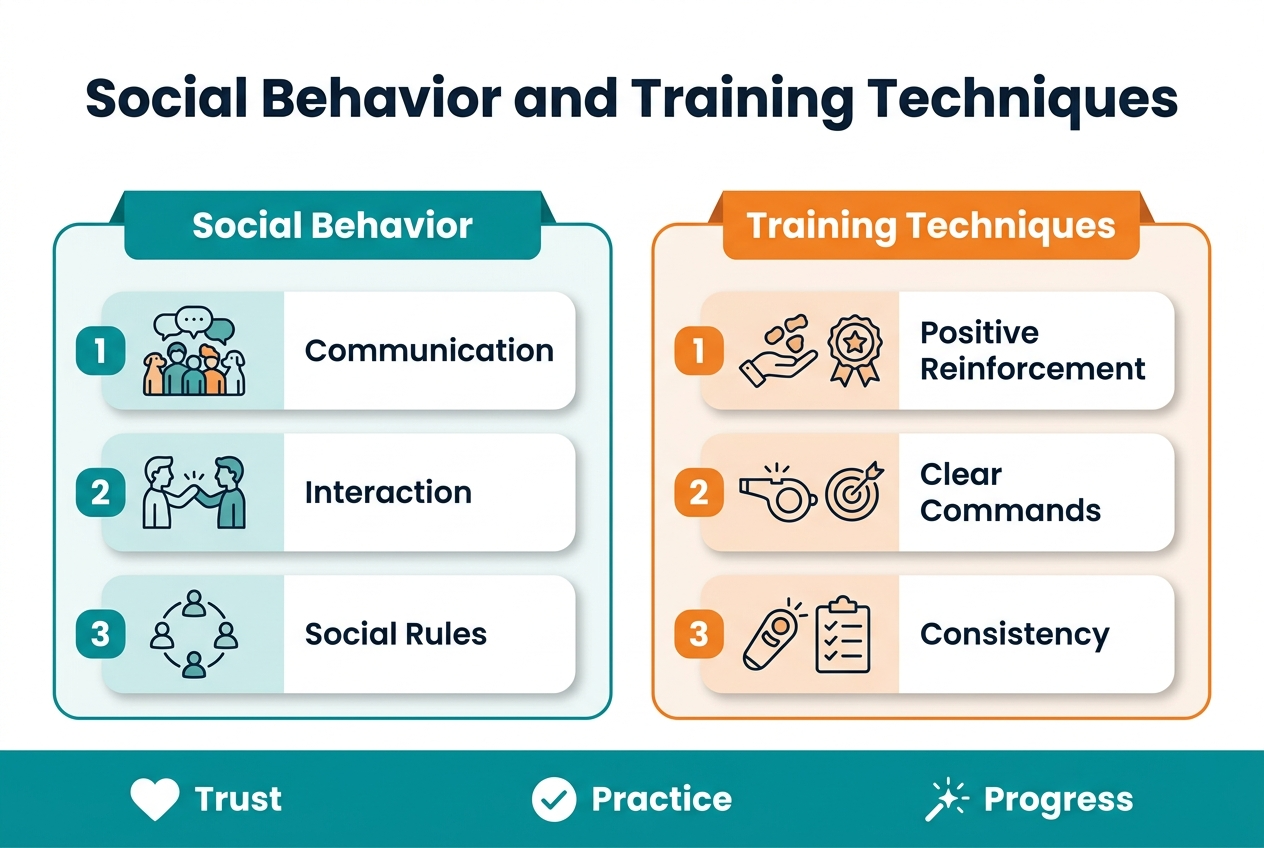
Natural Flock Mentality and Social Interaction Needs
Alexandrine parakeets are naturally gregarious birds that form strong social bonds in the wild. These intelligent creatures rely heavily on flock dynamics for safety, communication, and emotional well-being. In captivity, your Alexandrine will view you and your family as their flock, making daily interaction absolutely essential for their mental health.
Alexandrine Parakeet These birds thrive on routine social contact and can become destructive or develop neurotic behaviors when left alone for extended periods. They need at least 3-4 hours of direct interaction daily, whether through training sessions, playtime outside the cage, or simply being near family activities. Their natural calling behavior means they’ll often vocalize loudly when seeking attention or trying to locate their “flock members.”
Understanding this instinct helps explain why Alexandrines can become possessive of favorite family members and may show jealousy toward other pets or even family members. They’re hardwired to establish hierarchies and maintain close bonds with specific individuals.
Effective Bonding Strategies with Your Pet
Building trust with an Alexandrine parakeet requires patience and consistency. Start by establishing yourself as a reliable presence through regular feeding schedules and gentle verbal interaction. Speak softly near their cage daily, allowing them to become comfortable with your voice and movements.
Respect their personal space initially – forced interaction will damage trust. Instead, let them approach you on their terms. Offering favorite treats through cage bars helps create positive associations with your presence. Many Alexandrines respond well to being at eye level during interactions, so sitting near their cage rather than standing over them reduces intimidation.
Alexandrine Parakeet Hand training should begin once they’re comfortable eating treats from your fingers. Start with a wooden dowel or training stick before transitioning to your hand. Never grab or chase your bird – this destroys trust quickly. Instead, teach them the “step up” command using positive reinforcement.
Shared activities like supervised foraging, puzzle toys, and gentle head scratches (once trust is established) strengthen your bond. Some Alexandrines enjoy music or television, making these excellent bonding opportunities when you’re nearby.
Speech Training Methods for Vocal Development
Alexandrine parakeet possess remarkable vocal abilities, often developing vocabularies of 50+ words with proper training. Their natural learning peak occurs between 4-8 months, though adult birds can still learn new words and phrases.
Start with simple, frequently used words like their name, “hello,” or “good morning.” Repeat these words consistently during relevant activities – say “good morning” every morning, use their name often during interactions. Their intelligence allows them to associate words with contexts, not just mimic sounds.
Alexandrine Parakeet Training sessions work best when kept short (10-15 minutes) but frequent throughout the day. Use an enthusiastic, higher-pitched voice as Alexandrines respond better to animated tones. Reward any attempt at vocalization with praise and treats.
Record your voice repeating target words and play these recordings when you’re away. Many owners find their birds practice new words privately before attempting them in social situations. Be patient – some Alexandrines are naturally quieter while others become chatterboxes.
Addressing Common Behavioral Challenges
Alexandrine Parakeet Screaming is perhaps the most common issue Alexandrine owners face. This natural flock calling behavior can become excessive without proper management. Never yell back or punish screaming – this reinforces the behavior. Instead, ignore unwanted vocalizations completely and reward quiet periods with attention and treats.
Biting often stems from fear, territorial behavior, or overstimulation. Watch for warning signs like pinned eyes, raised head feathers, or lunging. Give your bird space when showing these signals. Stick training helps manage aggressive birds safely while rebuilding trust.
Feather plucking indicates stress, boredom, or health issues. Increase environmental enrichment with foraging opportunities, varied perches, and rotating toys. Ensure adequate sleep (10-12 hours of darkness) and consider veterinary evaluation if the behavior persists.
Hormonal aggression typically emerges during breeding season (spring). Reduce daylight exposure to 8-10 hours and avoid petting areas like the back or under wings, which can trigger hormonal responses. Provide plenty of physical exercise and mental stimulation during these periods.
Health Monitoring and Veterinary Care
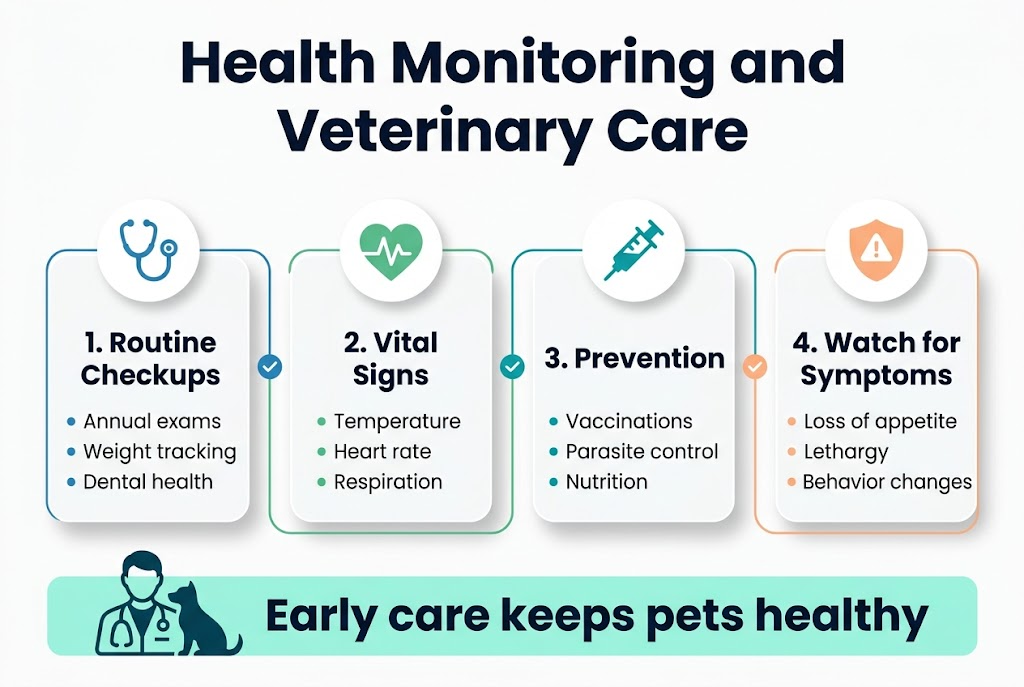
Signs of illness to watch for daily
Daily observation becomes your most powerful tool for maintaining your Alexandrine parakeet’s health. Start each morning by watching your bird’s behavior patterns, appetite, and overall demeanor. Healthy Alexandrines are naturally active, vocal, and curious about their surroundings.
Watch for changes in eating habits – a bird that suddenly stops eating or dramatically reduces food intake needs immediate attention. Similarly, observe their droppings throughout the day. Normal droppings should have three distinct parts: dark fecal matter, white urates, and clear liquid. Any significant color changes, blood, or unusual consistency signals potential health issues.
Respiratory problems often manifest through subtle signs. Look for tail bobbing with each breath, open-mouth breathing, or clicking sounds during respiration. Fluffed feathers, especially when accompanied by lethargy, indicate your bird is trying to conserve body heat due to illness.
Behavioral changes deserve equal attention. Birds naturally hide illness, so personality shifts like increased aggression, unusual quietness, or loss of balance require investigation. Check their eyes daily for cloudiness, discharge, or swelling. The beak and nares should remain clean without discharge or crusty buildup.
Weight loss happens quickly in birds, making regular handling important for detecting changes in body condition. Feel along the breastbone – it should have adequate muscle coverage on both sides.
Preventive care measures for disease prevention
Creating a clean environment forms the foundation of disease prevention. Clean food and water dishes daily using bird-safe cleaning products. Replace perches regularly and rotate toys to prevent bacterial buildup. Weekly cage deep-cleaning prevents harmful microorganisms from establishing colonies.
Quarantine new birds for at least 30 days before introducing them to your Alexandrine. This practice prevents disease transmission and allows time to observe the new bird for any health issues. Even seemingly healthy birds can carry diseases without showing symptoms.
Regular grooming contributes significantly to health maintenance. Provide bathing opportunities several times per week, either through misting or shallow dishes. Clean feathers help regulate body temperature and prevent skin irritation. Keep nails trimmed to appropriate lengths to prevent injury and maintain proper perching.
Diet plays a massive role in immune system strength. Offer a varied diet including high-quality pellets, fresh vegetables, and appropriate fruits. Avoid feeding chocolate, caffeine, avocado, and other toxic foods. Fresh water daily prevents bacterial growth and keeps your bird properly hydrated.
Monitor air quality carefully. Avoid aerosols, scented candles, and non-stick cookware around birds. These products release fumes that can be fatal to your Alexandrine’s sensitive respiratory system. Maintain appropriate humidity levels between 50-60% to prevent respiratory irritation.
Finding qualified avian veterinarians in your area
Start your search before you need emergency care. Contact the Association of Avian Veterinarians for certified practitioners in your region. Their online directory helps locate veterinarians with specialized bird training and experience treating Alexandrines specifically.
Ask local bird clubs, pet stores specializing in birds, and bird breeders for recommendations. These communities often have direct experience with area veterinarians and can share insights about quality of care, pricing, and availability for emergencies.
When evaluating potential veterinarians, ask about their avian experience and continuing education in bird medicine. Request information about their facility’s bird-specific equipment, including appropriate scales, examination tools, and hospitalization setups designed for birds.
Schedule a meet-and-greet appointment before needing medical care. This visit allows you to assess the clinic’s cleanliness, staff knowledge, and overall comfort level. Discuss their emergency protocols, after-hours availability, and relationships with emergency animal hospitals.
Prepare a list of questions about routine care, including wing clipping preferences, vaccination protocols, and annual examination schedules. Understanding their approach to preventive care helps determine if their philosophy aligns with your bird care goals.
Keep multiple veterinary contacts available. Having backup options ensures you can get help even when your primary veterinarian is unavailable. Some areas have mobile avian veterinarians who can provide in-home services, reducing stress for your bird.
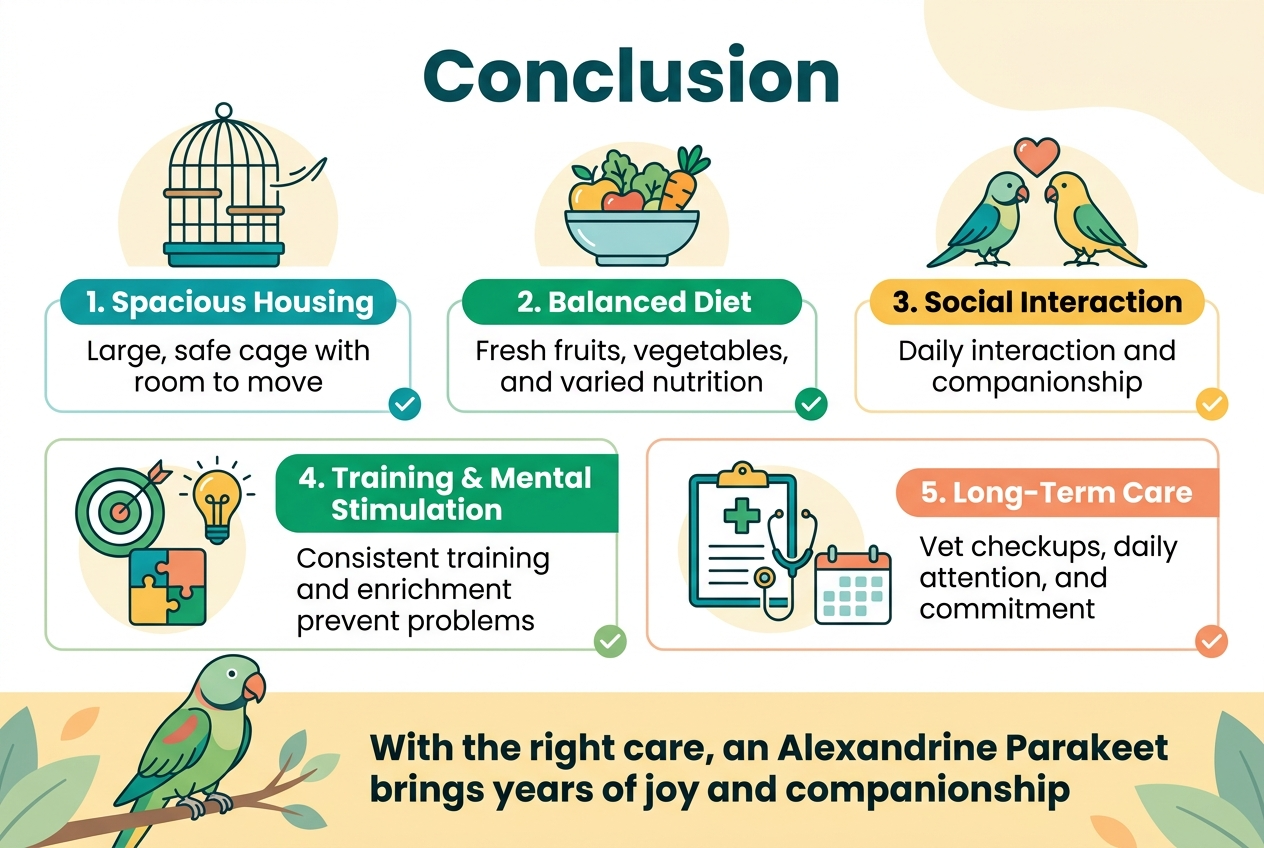
Ringneck Alexandrine Parakeets make wonderful companions when their specific needs are met. These intelligent birds need spacious housing, a balanced diet rich in fruits and vegetables, and plenty of social interaction to stay happy and healthy. Their playful nature and ability to learn makes them rewarding pets, but they also require consistent training and mental stimulation to prevent behavioral issues.
If you’re thinking about bringing an Alexandrine Parakeet into your home, make sure you’re ready for the long-term commitment. Regular vet checkups, daily interaction, and a proper environment are non-negotiable for these beautiful birds. With the right care and attention, your feathered friend will bring years of joy and companionship to your family.
