
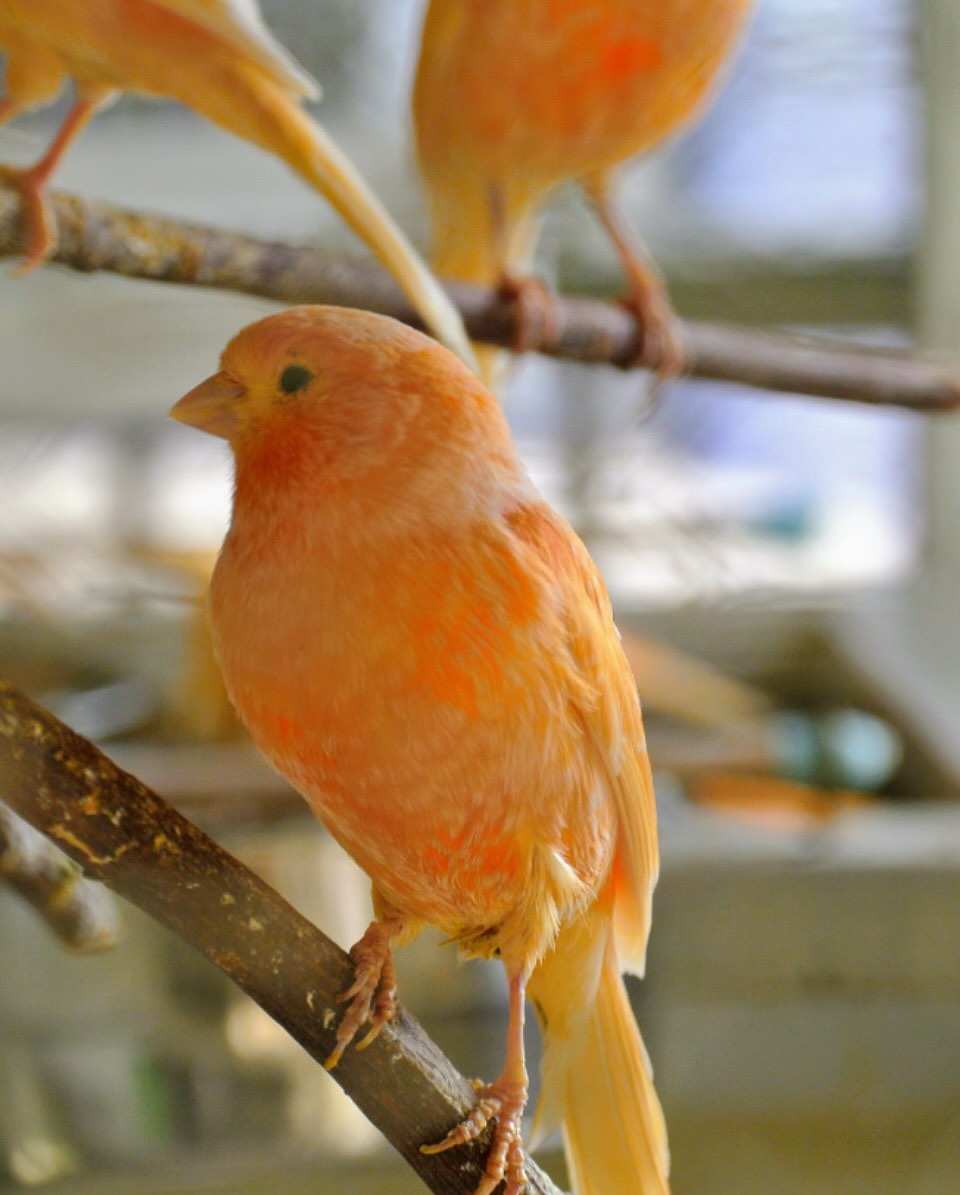
Description
Canary for Sale
Baby Canary for Sale
Canary for Sale, they are active, cheerful, beautiful, and have a delightfully lovely song! With such a busy world today, pet canaries can make an ideal companion for many people. Canary pet birds are colorful and have pleasing personalities. There is nothing like a peaceful, pretty canary song to unravel nerves at the end of the day.
Most types of canaries can sing, though they may not sing all the time. A canary singing is entertaining in itself but they have some other very desirable traits as well. Adding a pet canary to your home doesn’t add an unwelcome burden. They are small, so keeping canaries takes up very little space. They are also less costly to purchase than many of the larger parrots like cockatiels and some of the other soft billed birds.
Canaries are hardy and undemanding, so the canary bird care is pretty easy. They don’t pout like a parrot might if you are unable to play with them. You can simply sit back, relax, and enjoy the antics of these little charmers, and a pretty canary song as well.
All domestic canaries originated from the Island Canary Serinus canaria. Though there are many varieties of canary from which you can choose, some breeds that were popular at one time are no longer be available, having made way for new varieties and the varieties that are currently popular. Overview of the pet variety, its history of captivity, visit Domestic Canary on Wikipedia.
Care and feeding of our Canaries for sale
The bird food in a canary diet consisting of a good seed mixture (vitamin coated) supplemented with sprouted seed, various fruits, green foods, and commercial pellets are generally regarded suitable.
Bird Food:
Fresh food and water must be provided daily.
Canary Seed
Fresh canary seed is their everyday food and vitamin coated seed mixes are readily available at a pet store. A single canary will eat about one teaspoon of seed a day and canaries will rarely overeat, though they may need to eat a bit more when the weather is cold or during their moult.
Pelleted Diet
Pelleted diets are also available and contain vitamins and more protein than seed, making additional supplementation unnecessary. However birds not raised on a pelleted diet may not recognize it as food, so may not accept it.
Fruits and Vegetables
Daily supplements that canaries like to eat include greens such as kale, broccoli, dandelions, spinach, celery, peas, and watercress. Canary treats of seed with honey, fruits and vegetables are fun for your bird too, as well as nutritious.
Proteins
About once a week offer an additional protein supplement such as egg biscuit
Canary Song Food
Every few days you can also provide some song food to help develop vocal cords.
Colour food for Canary Color Food:
For red birds it is important to provide a colour food for canaries.
Vitamins
Most canary seed mixes have vitamin coated seeds.
Minerals
Provide a cuttlebone or a mineral block. The calcium they provide will give your bird a firm beak, strong eggshells when breeding, and will prevent egg binding. The lime in the cuttlebone also aids in digestion.
Water
A canary cannot live without for a 24 hour period without water! Provide fresh water daily.
Bird Baths
Give your canary a bath at least once a week and daily during the summer by placing a dish on the bottom of the cage. A bath with an enclosure will help to keep the water splashing to a minimum. Bathing is very important to canaries during molting and breeding.
Bird Grooming
Bird nail trimmers and styptic powder to stop the bleeding are available at pet shops.
Housing
Bird Cages:
Canaries like wide open spaces so provide your pet with a roomy canary cage. Also provide dishes for food, water, and treats as well as an area for a bath.
Temperament
Canary for Sale enjoy being around people but do not appreciate heavy handling in the way that budgies and parrots do. Canaries are intelligent birds. Many owners can train their canary to sit on their hand, move to a perch, or direct the bird to fly around the room. Young birds are easier to train, but you can tame and train most canaries with enough patience and consistent practice.
The canary is a relatively solitary bird—it will not get lonely if housed alone in a cage. It can also coexist in an aviary environment with other small birds. They only no-no is housing two male canaries together in a single cage; they will likely fight.
Social Behaviors
Canaries (for sale) are very social with good personalities. They will not harm children, visitors, or other pets.
Exercise
Canaries require movement. Reduce the clutter in its cage to allow it to migrate from perch to perch. In contrast to parrots, which require a variety of enrichment objects, a canary is content with a single toy, mirror, or branch in its cage. If your bird splashes around in the birdbath, that counts as exercise. As a special treat, include a swing, bells, or dangling wooden or acrylic toys.
mallardkate –
I bought two healthy Canary that are settling in very nicely. Very happy with my purchase. Thank you very much
Helene Chambers –
Find a my beautiful parrot here. Always when need any advice you can message they will reply soon as possible