
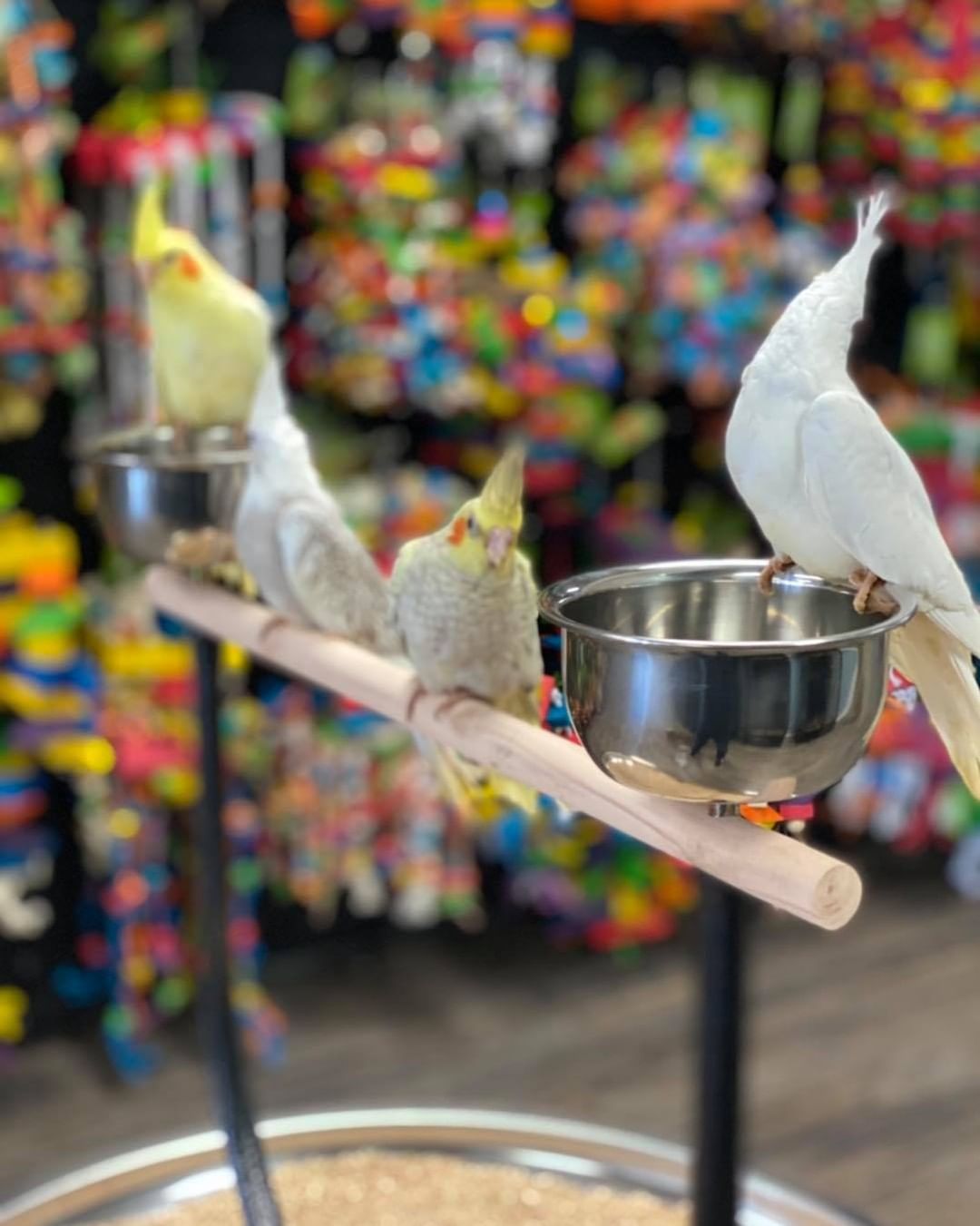
Cockatiels For Sale
Baby Cockatiels for Sale
Cockatiel for sale, Cockatiels are Affectionate and clever one of the most popular pets. Since early Europeans first returned home from Australia with these endearing little birds, they have continued to grow in popularity. Today, besides the standard grey cockatiel, there are a variety of cockatiel mutations to choose from. You will find these gentle little birds vying for the ‘top pet bird’ position, with only the Budgerigar (parakeet) and some of the Canary breeds giving close competition
Cockatiels, sometimes simply known as ‘tiels’, have so many positive traits as a pet, it is hard to know which characteristics are the most important.
Do you live in an apartment or condominium? Are there children about? Are you on the go a lot or gone for extended periods of time? Do you have a limited pet budget? If so, then the cockatiel could very well be just the pet for you and your family!
Cockatiels are one of 52 species of parrot native to Australia. An interesting fact about them is that they are one of Australia’s fastest flyers.
Social Behaviors of Cockatiel
Cockatiels are very docile and friendly to people as well as other birds. In the wild they live in groups of about twelve birds, though they will flock in the hundreds after breeding season and where food is plentiful. They like attention and handling.
Care and feeding of our cockatiel for sale
Bird Food:
You can supplement your cockatiel’s diet with green foods such as dandelion leaves, weeds, carrot tops, celery, watercress, spinach, peas, seedling grasses, and millet.
Grit should not be provided. Parrots that eat seed whole without shelling it first require grit, but cockatiels shell their seed before eating it, so don’t need grit. Professional Care information regarding diet and health monitoring, link to the PetMD Cockatiel Care.
Water:
Give your cockatiel fresh drinking water every day. You can also add soluble vitamins and minerals to the water.
Bird Grooming:
Cockatiel care also includes grooming. It is important to keep their wings clipped. This will prevent your cockatiel from taking to the air and you never seeing it again. It also facilitates taming cockatiels. Fresh branches from trees and bushes such as oak, maple, and fruit trees will give hours of chewing and climbing pleasure while exercising and trimming the beak and nails.
Good cockatiel care will keep your bird healthy and active for years. Fresh food and water must be provided daily.
Speech and Vocalizations
Cockatiels vocalize and whistle but are not as loud as some other parrots. By reputation, males have the upper hand for mimicking speech and whistles. However, females cockatiels are no slouch; they are good at mimicry, too. Either sex may repeat sounds from your house, including alarm clocks, phones, and even wild birds outside.
According to some experts, most cockatiels will eventually learn talking or whistling – but not both. Some people assume that males are more likely than females to talk or whistle. If your pet cockatiel speaks to you, you will understand everything they say. However, if they merely make noises and whistle, you may not understand what they are attempting to say.
Maintenance
The basic cage care includes daily cleaning of the water and food dishes. Change paper bottoms daily and litter coverings every 2-3 days. Weekly you should clean and disinfect the cage. Wash and completely dry the perches and toys whenever they become soiled.

esther ntoa –
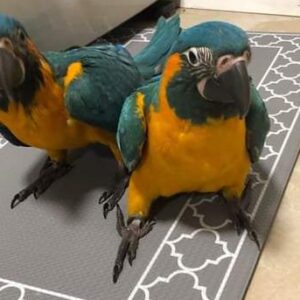
We recently bought a Cockatiels parrot and cage and our experience was absolutely amazing definitely recommend pet birds breeders for any body looking to buy a parrot
Gregory Gonzales –
Thank you so much for helping me find the right bird. He’s so sweet, already stepping up and starting to mimic sounds. You can tell he’s had proper care and handling. Highly recommend this site pet bird breeders.